How to Use Big Data to Improve the User Experience in Live Cricket Score Apps
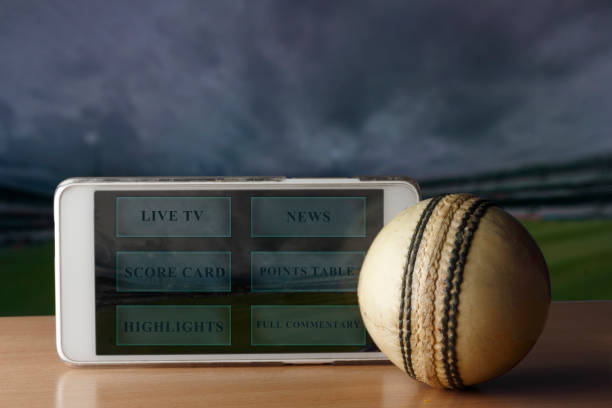
In the world of cricket, fans are obsessed with details—live scores, player stats, match analysis, and real-time updates. For developers of live cricket score apps, understanding this demand and delivering a smooth, engaging, and personalized experience is key to success. One of the most powerful tools in achieving this is Big Data.
Big Data refers to the massive volume of structured and unstructured data that can be analyzed to uncover patterns, trends, and associations. When applied to live cricket score apps, Big Data not only enhances the user experience but also allows developers to provide fans with a more personalized and dynamic way to follow the game. In this blog, we'll explore how Big Data can transform live cricket score apps, making them smarter, faster, and more engaging for users.
- Real-Time Analytics for Instant Updates
One of the core features of a live cricket score app is its ability to provide real-time score updates. With Big Data, developers can enhance the accuracy and speed of these updates by using real-time analytics. This means that as soon as a run is scored, a wicket is taken, or a milestone is achieved, the app can instantly update the user’s screen without delay.
For instance, Big Data tools like Apache Kafka and Apache Flink can handle high-velocity data streams, ensuring that users get immediate updates during an ongoing match. This not only boosts the app’s responsiveness but also ensures that the information users see is both accurate and timely, critical for cricket fans who want to stay on top of every ball.
By analyzing historical data alongside live match statistics, these platforms can predict upcoming events, like potential wickets or run rate fluctuations, and alert users even before these events occur.
- Personalization of Content
Every cricket fan is different—some are interested in specific players, others prefer a particular team, while some are most engaged with match stats. Big Data can be leveraged to personalize the user experience, ensuring that every fan sees the content most relevant to them.
Here’s how it works:
User Behavior Tracking: By tracking user behavior within the app—what sections they visit, which players they follow, how frequently they check scores—you can tailor the content they see. For example, if a user frequently checks scores for the Indian cricket team, the app can prioritize updates, player stats, and news related to that team.
Data-Driven Recommendations: Similar to how streaming services recommend movies based on user preferences, cricket score apps can use Big Data to suggest upcoming matches, players, or teams that a user might be interested in. Machine learning algorithms can use this data to create personalized notifications, offering match previews, exclusive highlights, or even fantasy team recommendations.
By analyzing historical match data, users can be informed of a player's past performances, strengths, and weaknesses. This feature enhances the fan’s engagement with not just live scores but also insights that matter most to them.
- Predictive Insights Using Historical Data
One of the most exciting ways Big Data can improve a cricket score app is through predictive analytics. By analyzing large datasets of historical match data, player stats, and trends, Big Data models can predict the likely outcomes of a match or even a particular game event (e.g., wickets, runs, etc.).
For example, using data on player performances in different weather conditions, against various opponents, or at specific venues, the app could make predictions about how a match will unfold. This could include things like:
Player Performance Predictions: Based on a player’s previous form, Big Data can forecast their potential performance in upcoming matches. For example, "Virat Kohli has scored an average of 50 runs in the last five matches at this venue."
Match Outcome Predictions: Based on the performance of both teams, the app could offer a prediction of the match outcome—whether a team is likely to win or lose, based on current scores, weather conditions, and past data trends.
Event Prediction: Big Data can even predict specific match events, such as a key wicket, based on bowling and batting trends.
By integrating such predictive analytics, cricket apps can deliver a more immersive and informative experience for users, offering insights that go beyond just live scores.
- Enhancing User Interaction with Data Visualization
Visualizing data in an easy-to-understand format is one of the most effective ways to engage users. Big Data can be used to provide interactive and dynamic visualizations, such as heatmaps, player performance graphs, and match trend charts.
Imagine this:
Player Heatmaps: A cricket score app could display a heatmap of a player’s runs on the field, showing where most of their boundaries are hit. This would give users a deeper understanding of the match dynamics and player strategies.
Run-Rate Charts: A graphical representation of a team’s run rate over the course of an innings would allow users to track a team’s momentum and pace during the match.
Player and Team Comparisons: Real-time comparisons between players or teams based on their historical performances can be shown to users in an intuitive format.
Big Data tools like D3.js or Plotly can be used to create these interactive visualizations, improving engagement by providing users with more context and insights into the match.
- Dynamic Notifications Based on User Preferences
Notifications are essential in keeping users engaged, but not all notifications are created equal. Big Data can help send dynamic and customized notifications based on user preferences, such as:
Match Updates: Alerting users when a match starts or when their favorite player is about to bat or bowl.
Key Events: Sending notifications about key events like a century, a wicket, or a close finish.
Performance-Based Alerts: Offering real-time performance updates for players or teams that users are most interested in.
These notifications can be refined through continuous data analysis, allowing developers to send the right updates at the right time, ensuring that users stay engaged without being overwhelmed by irrelevant information.
- Improving App Performance Using Big Data
Finally, Big Data can also be used to improve the technical performance of the cricket score app. By analyzing user interactions and app behavior, developers can identify performance bottlenecks, troubleshoot bugs, and ensure the app performs smoothly even during high-traffic events like international tournaments or World Cup games.
For example, Big Data can help determine when and where users experience latency in loading scores, allowing developers to optimize the app's infrastructure to ensure fast updates and minimal delays.
Conclusion
In today’s world of fast-paced, real-time sports, Big Data is a game-changer for live cricket score apps. By using data analytics, predictive modeling, and user behavior insights, developers can create a more engaging, personalized, and dynamic user experience. Big Data not only enhances the accuracy and speed of score updates but also enables smarter features like predictive insights, interactive data visualizations, and personalized notifications.
Incorporating Big Data into cricket score apps is no longer just a luxury—it’s a necessity. As the demand for real-time and customized sports experiences continues to grow, Big Data will remain at the heart of innovation in the world of live cricket score apps, keeping fans more connected to the game than ever before.