Key Features Required to Launch a Competitive Centralized Exchange in 2026
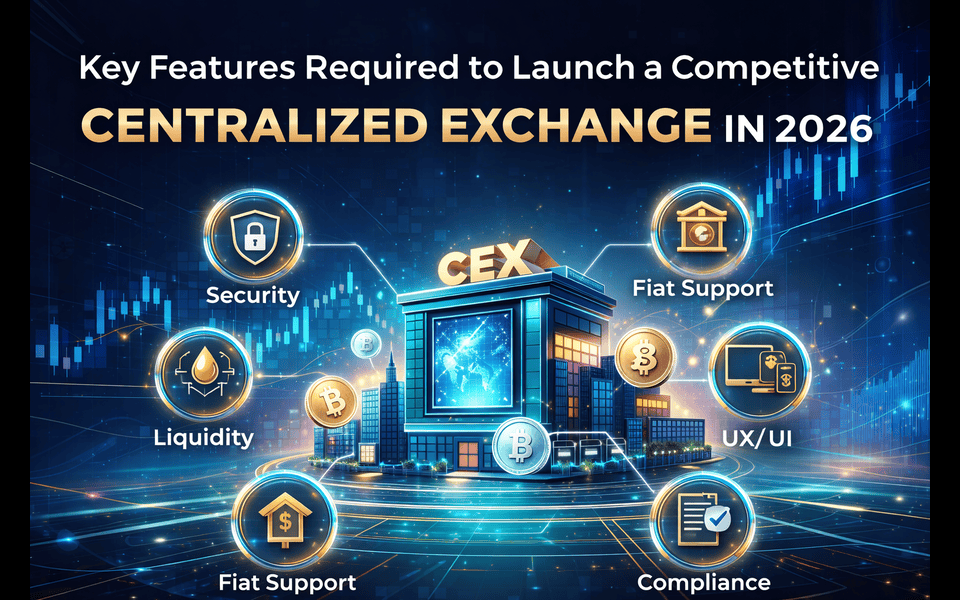
In the dynamic cryptocurrency landscape of 2026, centralized exchanges (CEXs) remain dominant gateways for traders, institutions, and retail users alike. With the global crypto market surging toward mainstream adoption—fueled by institutional inflows, real-world asset (RWA) tokenization, and AI-driven innovations—launching a competitive centralized crypto exchange development demands more than basic functionality. It requires a blend of cutting-edge technology, robust security, regulatory foresight, and user-centric design to stand out against giants like Binance and Coinbase.
This guide outlines the essential features to prioritize, drawing from industry trends and expert insights, to ensure your platform thrives in a market projected to handle trillions in daily volume.
Why These Features Matter in 2026
The crypto ecosystem is evolving rapidly. Institutional participation is accelerating, with banks expanding custody services and investors allocating more to tokenized assets. Stablecoins are becoming the "internet's dollar," while AI and cross-chain interoperability redefine trading efficiency. For CEXs, competition hinges on delivering seamless experiences, mitigating risks like hacks (which plagued earlier platforms), and complying with tightening global regulations. Neglecting these could mean losing users to hybrid or decentralized alternatives. Below, we break down the must-have features into core categories.
Core Technical Features
1. High-Performance Trading Engine
At the heart of any CEX is a robust trading engine capable of handling millions of transactions per second (TPS). In 2026, expect engines with high-frequency trading (HFT) support, advanced order matching algorithms (e.g., limit, market, stop-loss), and real-time execution to prevent slippage during volatile markets. Integrate AI for predictive analytics, such as automated arbitrage detection or personalized trade recommendations, to appeal to sophisticated traders.
- Scalable Architecture and Infrastructure
Scalability is non-negotiable as user bases grow exponentially. Use cloud-native solutions like distributed databases and Layer 2 scaling to manage high volumes without downtime. Features like concurrency-based reconciliation ensure accurate balances in real-time, while horizontal scaling (e.g., via AWS or Azure) supports global expansion. Aim for 99.99% uptime to compete with established players.
- Multi-Chain and Cross-Chain Integration
Support for multiple blockchains (e.g., Ethereum, Solana, BNB Chain) is essential for diverse asset listings. In 2026, incorporate cross-chain bridges for seamless asset transfers, reducing friction and enhancing liquidity. This aligns with trends toward interoperability, allowing users to trade RWAs or DeFi tokens without leaving your platform.
Security and Compliance Features
4. Advanced Security Protocols
Security breaches can doom an exchange—prioritize multi-layer defenses including multi-signature wallets, cold storage for 95%+ of assets, biometric authentication, and AI-powered fraud detection. Regular audits by firms like Certik, DDoS protection, and insurance funds are standard. With rising cyber threats, integrate zero-knowledge proofs for privacy-enhanced transactions.
- Regulatory Compliance Tools
Compliance is a competitive edge in 2026, with clearer regulations like the U.S. market structure bills potentially standardizing operations. Embed KYC/AML via tools like Sumsub or Chainalysis, support for fiat gateways in multiple currencies, and automated reporting for tax authorities. Features for transparent asset reserves (e.g., proof-of-reserves) build trust, especially for institutional users.
User Experience and Engagement Features
- User-Friendly Interface and Mobile Optimization
A intuitive UI/UX is crucial for onboarding novices while satisfying pros. Include customizable dashboards, TradingView charts, and one-click trading. In 2026, mobile-first design with apps for iOS/Android is mandatory, incorporating voice commands or AR previews for assets. Personalization via AI (e.g., tailored news feeds) boosts retention.
- High Liquidity and Market Making
Liquidity ensures tight spreads and fast executions—partner with market makers or integrate aggregated liquidity from sources like Binance APIs. Offer incentives like zero-fee periods or liquidity mining to bootstrap volume. For competitiveness, support advanced options like margin trading, futures, and leverage up to 100x.
- Wallet and Payment Integration
Secure, integrated wallets (hot/cold) with fiat on-ramps via Stripe or PayPal are essential. Enable seamless deposits/withdrawals in fiat and crypto, supporting stablecoins for stability. Advanced features include staking, lending, and yield farming to hybridize with DeFi elements.
Innovative Features for 2026 Edge
- AI and Machine Learning Integration
AI will redefine CEXs by enabling predictive trading, anomaly detection for security, and personalized insights. Features like AI chatbots for support, sentiment analysis from social data, or automated portfolio management can differentiate your platform.
- Tokenization and Asset Diversity
Support RWAs (e.g., tokenized real estate or bonds) and a wide array of tokens, including NFTs and metaverse assets. This caters to institutional demand and expands revenue through listing fees.
- Admin Panel and Analytics
A comprehensive admin dashboard for monitoring trades, managing users, and generating reports is vital. Include analytics for user behavior to refine features.
Costs vary based on custom vs. white-label solutions. Test rigorously with beta users and conduct penetration testing.
Potential Challenges and Solutions
Regulatory Shifts: Stay agile with modular compliance tools.
Security Threats: Invest in ongoing audits and insurance.
User Acquisition: Offer competitive fees (0.1-0.2%) and marketing incentives.
Competition: Differentiate with unique features like metaverse integration or sustainable (green) mining rewards.
Conclusion
Launching a competitive CEX in 2026 means building a platform that's secure, scalable, and innovative, blending traditional finance with crypto's cutting edge. By focusing on these key features, you can attract a diverse user base, ensure compliance, and capitalize on trends like AI and tokenization. Partner with reliable developers or white-label providers to accelerate your launch—success awaits those who prioritize user trust and technological prowess. Ready to enter the fray? Start with a solid MVP and iterate based on market feedback.