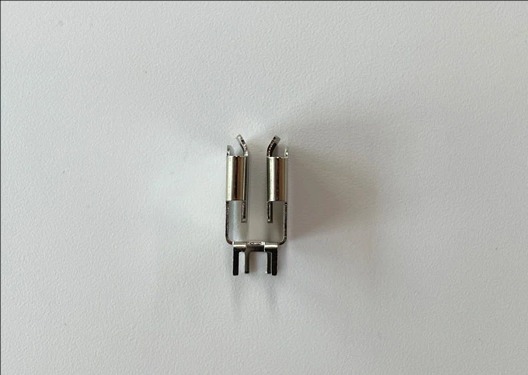
Precision Stamping Parts
At JCL precision stamping parts suppliers, we understand the critical role that precision plays in the success of your products. That's why we proudly offer a wide range of high-performance precision stamped metal parts.
We produce precision metal stamping parts with exceptional accuracy, consistency, and strength. This is possible through our stamping presses and tooling combined with our team of experienced engineers and technicians.
We have the expertise and capability to deliver the needed precision metal stamping parts on time and within budget.
Key Features & Precision Metal Stamping Parts Advantages
Precision Metal Stamping Parts Suppliers
Bended sheet parts can translate into valuable advantages for various applications. Here are the most important characteristics and their benefits that set precision stamping components apart:
High precision
Obviously, the tell-tale feature is their high precision. For the controlled manufacturing process, the high precision stamping parts have tight tolerances.
Advantages:
Minimize assembly errors: Precision sheet metal stamping components fit seamlessly and make assembly easy because of the tight tolerances.
Consistent performance: Deep drawn parts and deep draw manufacturing are more reliable and consistent.
Reduced post-processing: Deep draw stamping minimizes additional machining or finishing and saves time and cost.
Strength
Precision metal stamping parts are made with various metals like steel deep drawing, aluminum deep drawing, and brass deep drawing. The stronger materials give them higher strength, too.
Advantages:
Endure demanding environments: A punch and die material has high strength and resistance to wear and tear.
Long-lasting performance: They perform well for a long time without needing maintenance and replacement.
Broad material choice: You have a large pool of options to choose from as per your requirements.
Thin walls
Precision die stamping parts can have very thin walls, which helps reduce weight and material costs.
Advantages:
Weight reduction: Thin walls reduce weight and become efficient for aerospace and transportation.
Material cost savings: Less material is needed during progressive die stamping. This lessens the production costs.
Punch and die design flexibility: Deep drawing the metal sheets to thin walls allows for lightweight yet strong components with complex geometries.
Complex shapes
We can bend sheet metal in various shapes, including complex shapes, by deep drawing our parts.
Advantages:
Broad design: Sheet metal drawing produces intricate, difficult or impossible shapes with other methods.
Functional: Complex features are more specific and functional to unique situations.
Aesthetic: Creative designs are often very appealing and aesthetic.
Cost-Effectiveness
When produced in high volumes, precision metal stamping parts become very lucrative products.
Minimal material waste: The process reduces scrap material, reducing costs and environmental impact.
Fast production cycle: High automation and repeatability lead to quick turnaround times.
Types of Precision Metal Stamping
We make precision metal stamping parts through different types of stamping processes. The applicable type is dictated depending on the advantages and application required.
Precision Metal Stamping-Blanking
Blanking in sheet metal is used to cut a specific shape from the sheet and turn it into a flat part. It's the most basic stamping process that makes the fundamental metal blank.
Precision Metal Stamping-Punching
Similar to blanking, but a sheet metal punching machine doesn’t remove the entire shape. A sheet metal punch only creates a hole or opening to make slots.
Precision Metal Stamping-Bending
Custom sheet metal bending uses a die to bend the sheet metal to an angle or shape to create flanges, brackets, and channels.
Precision Metal Stamping-Deep Drawing
Metal drawing stretches the sheet metal into a desired shape to create cups, cylinders, and other deep, hollow components.
Precision Metal Stamping-Coining
Engraving metal or coining creates a design or pattern on the sheet metal without changing its thickness. With coining, we make logos, markings, and decorative elements.
Precision Metal Stamping-Embossing
This is the opposite of coining. Embossing the part makes it rise from the surface of the sheet metal.
Progressive Die Stamping
Progressive die drawing takes a single die and blanks, punches, bends and forms them on a single sheet.
Four-Slide Stamping
This technique has a machine with four slides forming the sheet metal from different directions.
Precision Metal Stamping-Hydroforming
Hydroforming stamps the sheets with high-pressure water to form unique parts.
Conduct with JCL to know what technique is best for your stamped components