Fire Damper vs Smoke Damper: Key Differences Explained
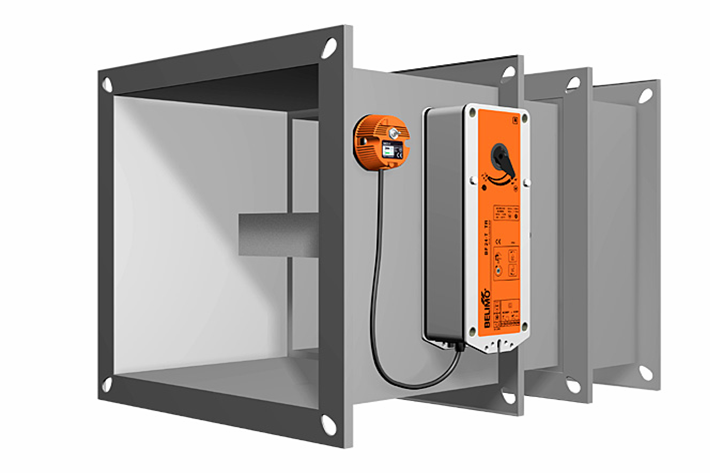
In modern building design, fire safety systems play a crucial role in protecting lives and property. Among the essential components of HVAC fire protection systems are fire dampers and smoke dampers. While both are designed to control hazards within duct systems, they serve different purposes and operate in distinct ways.
For businesses and contractors looking for a reliable Fire Damper Supplier in Saudi Arabia, understanding these differences is essential to selecting the right solution. JGB KSA offers high-quality fire safety components designed to meet industry standards and ensure maximum protection.
What is a Fire Damper?
A fire damper is a passive fire protection device installed in HVAC ducts and air transfer openings. Its primary function is to prevent the spread of flames through ductwork during a fire.
How It Works
Fire dampers are typically equipped with a fusible link that melts when exposed to high temperatures (usually around 72°C). Once triggered, the damper blades automatically close, sealing off the duct and containing the fire within a specific area.
Key Features
Activated by heat
Prevents fire spread
Installed in fire-rated walls and floors
Simple mechanical operation
What is a Smoke Damper?
A smoke damper is designed to control the movement of smoke within HVAC systems. Unlike fire dampers, smoke dampers are motorized and operate based on signals from a smoke detection system.
How It Works
Smoke dampers are connected to smoke detectors and building automation systems. When smoke is detected, the damper automatically closes (or opens, depending on design) to manage airflow and prevent smoke from spreading throughout the building.
Key Features
Activated by smoke detection systems
Controls smoke movement
Motorized operation
Integrated with fire alarm systems
Fire Damper vs Smoke Damper: Key Differences
1. Functionality
Fire Damper: Stops the spread of flames
Smoke Damper: Controls and restricts smoke movement
2. Activation Mechanism
Fire Damper: Triggered by heat (fusible link)
Smoke Damper: Triggered by smoke detectors and control systems
3. Operation Type
Fire Damper: Mechanical and automatic
Smoke Damper: Motorized and controlled electronically
4. Installation Areas
Fire Damper: Installed in fire-rated walls, floors, and partitions
Smoke Damper: Installed in ducts that require smoke control and air management
5. Purpose in Safety Systems
Fire Damper: Contains fire within a compartment
Smoke Damper: Maintains safe evacuation routes by controlling smoke spread
When Do You Need a Combination Damper?
In many modern buildings, a combination fire and smoke damper is used to provide dual protection. These dampers offer both fire containment and smoke control, making them ideal for complex HVAC systems in commercial and industrial structures.
Importance of Choosing the Right Supplier
Selecting the right damper is only part of the solution—choosing a reliable supplier is equally important. A trusted Fire Damper Supplier in Saudi Arabia ensures:
Compliance with international safety standards
High-quality materials and durability
Proper technical support and guidance
Timely delivery for project deadlines
Why Choose JGB KSA?
JGB KSA is a leading provider of fire safety and HVAC components, offering premium-quality dampers tailored to various industry needs. With a strong focus on safety, reliability, and performance, JGB KSA supports contractors, consultants, and project managers across Saudi Arabia.
What Sets JGB KSA Apart
Wide range of fire and smoke dampers
Compliance with global safety standards
Expert technical support
Reliable supply and service
Conclusion
Understanding the difference between fire dampers and smoke dampers is essential for designing safe and compliant HVAC systems. While fire dampers prevent the spread of flames, smoke dampers control smoke movement—both playing a critical role in protecting occupants and infrastructure.
For high-quality solutions and expert guidance, partnering with a trusted Fire Damper Supplier in Saudi Arabia like JGB KSA ensures your projects meet the highest safety standards.