From Farm to Arena: The Journey of a Fighting Rooster in Rural Philippines
More Than Just a Sport
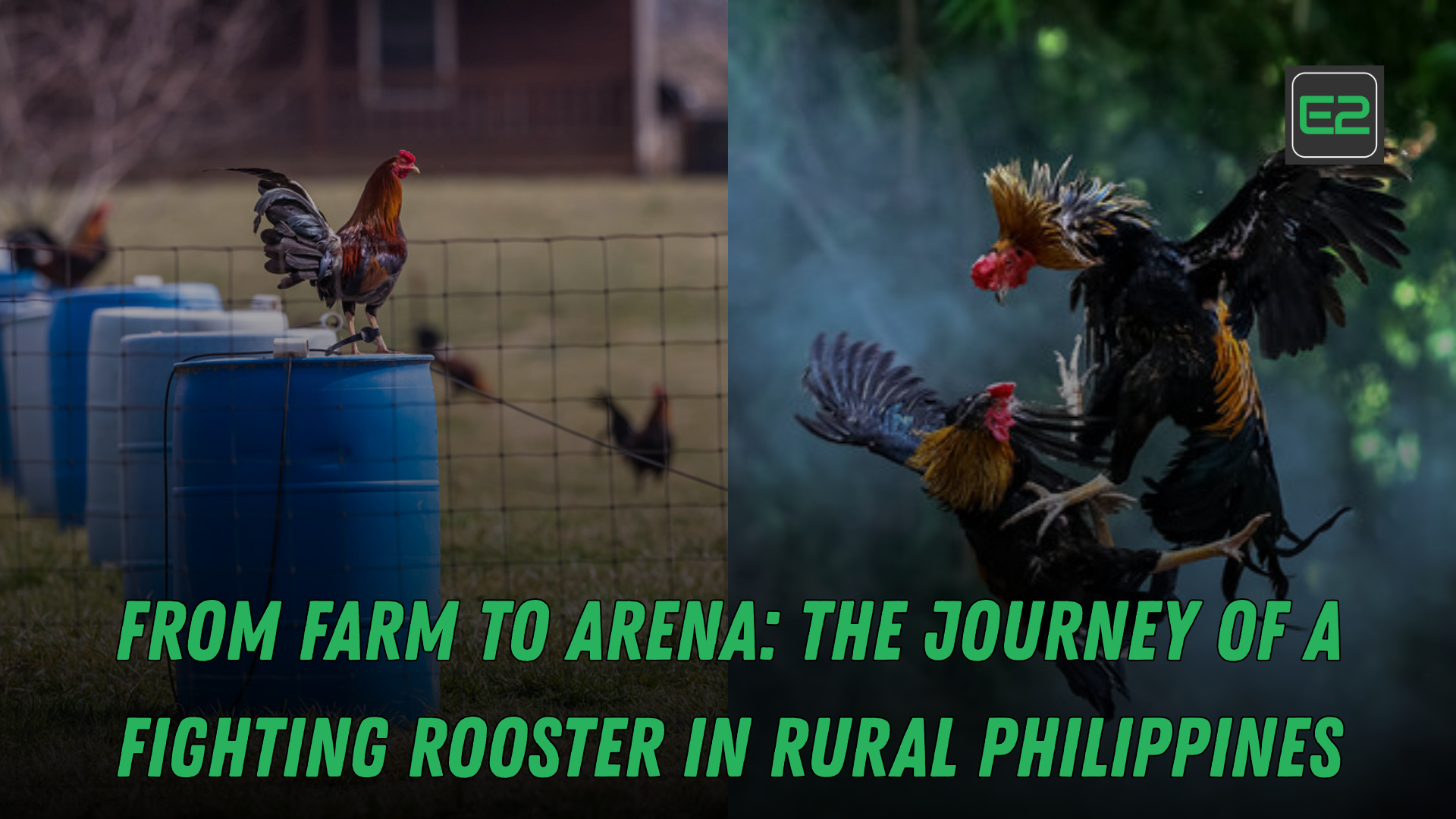
In rural Philippines, fighting rooster, cockfighting — locally known as sabong — is not just a weekend pastime. It is a deeply embedded cultural tradition that brings together communities, showcases the skills of breeders and handlers, and provides livelihood opportunities for thousands. But behind every victorious rooster in the arena is a long, meticulous journey — from the farm where it hatches to the cockpit where it fights for glory.
This article takes you through the life cycle of a fighting rooster, from its humble origins to the dazzling, high-stakes world of sabong — highlighting the care, discipline, and tradition that go into creating a champion.
1. Hatching and Early Life on the Farm
Fighting rooster breeding in the Philippines is often a family-run tradition, passed down through generations. The process begins with carefully selected broodstocks — healthy, proven roosters and hens with strong bloodlines.
Key Early Steps:
Incubation: Eggs are either naturally hatched or incubated under controlled conditions.
Chick Rearing (0–4 weeks): Chicks are kept in brooders with heat lamps to regulate temperature.
Feeding and Supplements: High-protein feed is introduced early, along with vitamin support for bone and immune development.
2. Grow-Out Phase: Feeding, Health, and Conditioning
As the chicks grow into stags (young male roosters), breeders pay special attention to:
Deworming schedules
Coccidiosis prevention
Proper grooming and feather care
Exercise regimens
They are moved to range areas — large, fenced fields where they can run freely, develop leg strength, and begin territorial behavior. This phase is critical in building endurance, muscle tone, and aggression.
3. Pre-Training: Selection of Potential Fighters
Not all fighting roosters are born fighters. Breeders assess each bird’s:
Posture and stance
Eye focus and alertness
Aggressiveness
Wing symmetry and leg power
Only the most promising birds move forward into pre-conditioning and training, while others are culled or sold to smaller enthusiasts.
4. Conditioning for the Arena: The True Training Begins
Conditioning lasts 21 to 28 days and focuses on maximizing the fighting rooster’s speed, stamina, and killer instinct.
Components of Conditioning:
Jogging: Roosters are run on a leash or inside wheels to boost stamina.
Fly-pen training: Encourages wing strength and aerial accuracy.
Hand sparring: Light, controlled fights to develop timing and defense.
Diet modification: Protein-heavy meals, sometimes mixed with boiled egg, fruits, or special “secret” ingredients.
Sun exposure: Vitamin D and stress reduction.
Handlers track every detail: weight, attitude, timing, and recovery. It’s not uncommon for them to keep journals per rooster, adjusting the training based on observed results.
5. Arming the Rooster: Blade Selection and Fitting
In sabong, fighting roosters are equipped with a gaff (single-edged blade) or short knife attached to one leg. The choice depends on:
Type of derby
Rooster’s fighting style
Handlers’ preference
Blade fitting is a specialized skill — just one millimeter off can affect balance and accuracy.
6. The Big Day: From Farm to Arena
Game day involves transporting the fighting rooster — usually early morning — to cockpits or derbies. The atmosphere is electric. Crowds cheer, bets fly, and breeders beam with pride.
Pre-fight Rituals:
Light massage to calm the rooster
Last-minute feeding (water and glucose)
Final check of feet, wings, and blade
When the fighting rooster enters the pit, it carries not just its weight, but the hopes of its owner, the legacy of its bloodline, and the pride of its province.
7. Winning and Legacy
A win brings more than just cash — it boosts the breeder’s reputation, raises the value of the bloodline, and may lead to:
Stud fees for breeding
Sale of chicks or pullets at higher rates
Sponsorships or invitations to major derbies
Many legendary fighting roosters are retired after several wins and kept as studs, continuing their legacy off the battlefield.
8. What Happens After Losses or Retirement?
Not every fight ends in victory. Some roosters:
Are treated and rehabilitated if injured
Become part of farm breeding programs
Are honored with care, especially if they fought bravely
Responsible sabungeros understand the value of animal care and ethics, even in a high-stakes environment.
Cultural Impact: Why This Tradition Lives On
Cockfighting is not only about gambling or glory — it is:
A community event bringing together neighbors
A symbol of heritage and masculinity
A source of livelihood for thousands, including breeders, blade fitters, bettors, and vendors
Despite criticisms, sabong remains a cornerstone of rural culture, deeply tied to Filipino identity.
Conclusion: The Long Road to the Pit
From hatching in a humble farm to standing under the blinding lights of the cockpit, a fighting rooster’s life is filled with discipline, training, and human devotion. It’s a unique blend of sport, culture, and livelihood, reflecting the complex relationship between tradition and competition in the rural Philippines.
Call to Action
Are you a breeder, sabungero, or just curious about this cultural phenomenon?
💬 Tell us your experience in the world of sabong.
📲 Follow us for more stories behind traditional Filipino sports.
🔁 Share this article with your fellow sabungeros and enthusiasts to keep the tradition alive — respectfully and responsibly.