More Than Just a Fight
In the Philippines, sabong (cockfighting) in sabungan (cockpit) is often discussed in the context of sport, culture, and controversy. But what’s frequently overlooked is its power as a community builder — a unique social institution where relationships are forged, stories are shared, and traditions are passed down.
For many Filipinos, the cockpit isn’t just a battleground for roosters; it’s a gathering place that unites people across generations, social classes, and backgrounds. This article explores how sabong creates social bonds, fosters collective identity, and remains a culturally significant institution in the rural and urban Philippine landscape.
What Is a Cockpit? Understanding Its Social Function
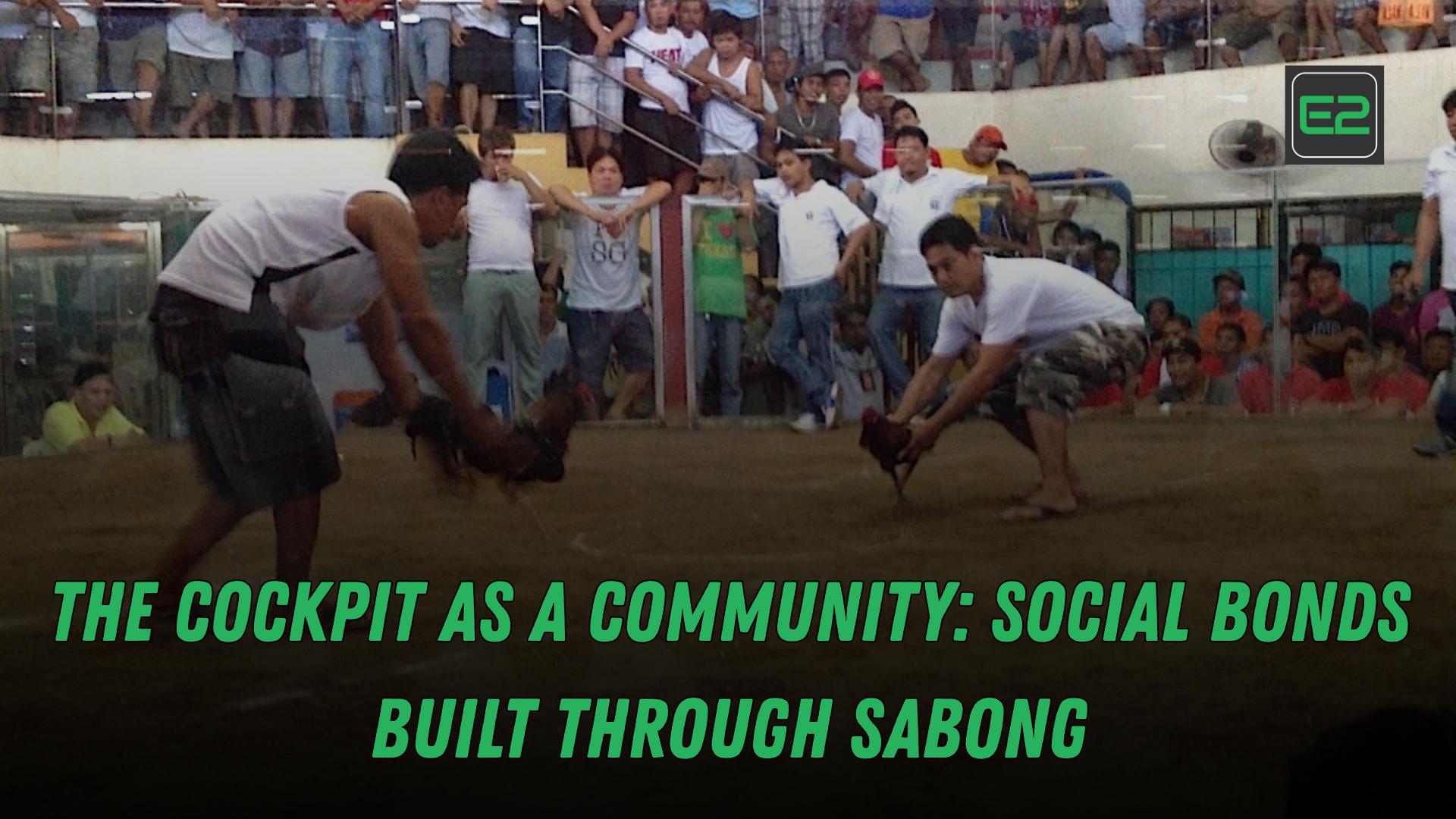
A cockpit arena — whether a small barangay pit or a large licensed coliseum — is the physical and symbolic heart of sabong culture. While outsiders may see it as merely a venue for gambling, those embedded in the community recognize it as a center of social interaction and camaraderie.
The Sabong Ecosystem:
Handlers and Breeders: Exchange knowledge and breed techniques
Bettors and Kristos: Bond over odds, predictions, and shared losses or wins
Vendors and Spectators: Generate local income and neighborhood interaction
Elders and Youth: Pass down stories, strategies, and values
Sabong as a Rite of Passage
For many Filipino boys, their first visit to a cockpit is almost a coming-of-age moment. Whether they come with their fathers, uncles, or neighbors, this initiation often marks their entry into a wider circle of male bonding and local culture.
Common Early Experiences:
Learning the hand signals used by kristos
Watching their first derby with wide eyes
Handling and feeding roosters in family backyards
Listening to “lodi” (local legends) talk strategy and technique
Over time, these early exposures build lifelong friendships and tight-knit mentorships, especially in the provinces where sabong remains a weekly ritual.
The Role of the Kristo: Heartbeat of the Cockpit
One of the most fascinating roles in the sabong community is that of the kristo — a rapid-fire bet caller who uses hand gestures to coordinate wagers from all corners of the cockpit.
Social Significance:
Acts as a neutral link between bettors
Builds trust and reputation over years of consistent presence
Often becomes a central figure in the community
Memorizes faces, preferences, and betting styles of regulars
Kristos don’t just take bets — they facilitate interaction, defuse conflicts, and connect strangers, playing a vital social role beyond monetary transactions.
Cockfighting and Intergenerational Connection
Unlike many modern activities, sabong bridges generational gaps. Grandfathers and grandsons often share a passion for roosters, providing a rare avenue where age differences are overridden by shared enthusiasm.
Examples of Generational Bonding:
Training roosters together at home
Teaching techniques like tying blades or observing weight classes
Attending local derbies and sharing meals after matches
Debating gamecock bloodlines and battle strategies
In many families, cockfighting becomes a legacy, creating identity and continuity across generations.
Sabong as Economic and Social Infrastructure
A cockpit also functions as an informal economic hub, offering opportunities for small-scale commerce, employment, and entrepreneurship.
Local Economic Impact:
Food vendors selling snacks and beverages
Blade sharpeners, gear suppliers, and rooster transporters
Side gigs like video recording, sabong photography, or livestream hosting
Microfinance and lending circles among sabungeros
The cockpit creates a network of mutual reliance. It’s not uncommon for members of the sabong community to help one another financially during emergencies or celebrate life milestones together — like birthdays, fiestas, and even funerals.
The Cockpit as an Emotional Safe Space
Contrary to popular belief, many sabungeros view the cockpit not as a place of violence, but as a sanctuary — a space where they can relax, be themselves, and momentarily set aside life’s pressures.
Reasons Why the Cockpit Feels Like Home:
Nonjudgmental environment where everyone shares the same passion
A place to share stories, jokes, and community gossip
Regular gatherings that provide structure and predictability
A sense of belonging, especially for retirees and jobless individuals
The social support found in cockpits often parallels the camaraderie seen in sports clubs, churches, or neighborhood sari-sari stores.
Modernization and Threats to Cockpit Culture
In recent years, the rise of e-sabong and increased government regulation have challenged the traditional sabong community.
Emerging Issues:
Digital detachment: Online betting lacks the face-to-face connection of physical cockpits
Legal crackdowns: Some local governments restrict sabong, citing noise, gambling, or animal rights
Generational shifts: Younger Filipinos may prefer esports, mobile gaming, or online entertainment
Still, many communities advocate for the preservation of sabong not as a vice, but as a cultural and social asset.
Sabong and Social Identity
For many Filipino men (and even some women), identifying as a “sabungero” goes beyond the act of betting. It is a source of pride, a badge of knowledge, and a gateway into a trusted circle of peers.
Why Sabungeros Take Pride in the Community:
Expertise in breeding and training
Honesty in betting practices
Contribution to local events and sponsorships
Shared rituals and unwritten codes of respect
Sabong isn’t just about roosters — it’s about people, memory, and meaning.
A Tradition Worth Understanding
To truly understand sabong is to understand a living community — one built on tradition, trust, and togetherness. The cockpit is more than an arena; it is a social institution where generations connect, friendships blossom, and local culture thrives.
In an age of increasing digital disconnection, the social bonds built through sabong remain a powerful reminder of what it means to belong.
What’s Your Sabong Story?
Have you ever stepped into a cockpit or grown up around sabungeros?
Share your story or insights in the comments below and help preserve the human side of this age-old tradition. For more in-depth cultural stories and local insights, subscribe to our blog and stay updated with the latest features on Philippine heritage.
Let’s keep the community alive — one fight, one friendship, one story at a time.