
1. 상속
- 기존 클래스의 속성과 메서드를 물려받아 새로운 하위 클래스를 생성하는 것
1. 상속이 필요한 이유
- 코드의 재사용
- 중복된 코드 감소
- 기존 클래스의 속성과 메서드 재사용
- 계층 구조
- 상속을 통해 클래스들 간의 계층 구조 형성
- 더 구체적인 클래스 생성
- 유지 보수의 용이성
- 수정이 필요한 경우 클래스만 변경하면 되기 떄문
- 코드 일관성 유지 및 수정 범위 최소화
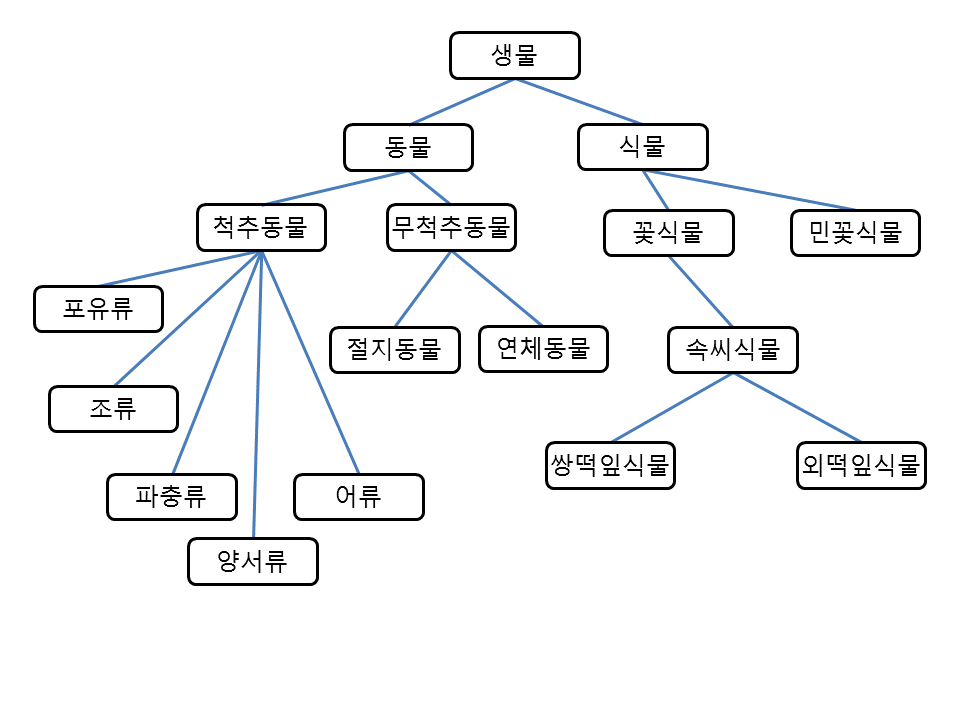
[참조]https://dojang.io/mod/page/view.php?id=2384
class Person:
    def __init__(self, name, age):
        self.name = name
        self.age = age

    def talk(self): # 메서드 재사용
        print(f'반갑습니다. {self.name}입니다.')


class Professor(Person):
    def __init__(self, name, age, department):
        self.name = name
        self.age = age
        self.department = department


class Student(Person):
    def __init__(self, name, age, gpa):
        self.name = name
        self.age = age
        self.gpa = gpa


  p1 = Professor('박교수', 49, '컴퓨터공학과')
  s1 = Student('김학생', 20, 3.5)

  # 부모 Person 클래스의 talk 메서드를 활용
  p1.talk() # 반갑습니다. 박교수입니다.

  # 부모 Person 클래스의 talk 메서드를 활용
  s1.talk() # 반갑습니다. 김학생입니다.
2. Super()
- 부모 클래스 객체를 반환하는 내장 함수
1. super() 사용 예시
-
사용 전
class Person:
    def __init__(self, name, age, number, email):
        self.name = name
        self.age = age
        self.number = number
        self.email = email
class Student(Person):
    def __init__(self, name, age, number, email, student_id):
        self.name = name
        self.age = age
        self.number = number
        self.email = email
        self.student_id = student_id
```-
사용 후
class Person:
    def __init__(self, name, age, number, email):
        self.name = name
        self.age = age
        self.number = number
        self.email = email
class Student(Person):
    def __init__(self, name, age, number, email, student_id):
        # 부모클래스의 init 메서드 호출
        super().__init__(name, age, number, email)
        self.student_id = student_id
```
3. 다중 상속
- 둘 이상의 상위 클래스부터 여러 행동이나 특징을 상속받을 수 있는 것
- 상속받은 모든 클래스의 요소를 활용 가능
- 중복된 속성이나 메서드가 있는 경우 상속 순서에 의해 결정 됨
1. MRO
- 메서드 결정 순서
- 왼쪽부터 찾고 없으면 오른쪽을 찾는 식
2. super()
- 부모 클래스 객체를 반환하는 내장 함수
- 다중 상속 시 MRO 기반으로 현재 클래스가 상속하는 모든 부 클래스 중 다음에 호출될 메서드를 결정하여 자동으로 호출
3. mro() 메서드
- 해당 인스턴스의 클래스가 어떤 부모 클래스를 가지는지 확인하는 메서드
- 기존의 인스턴스 -> 클래스 순으로 이름 공간을 탐색하는 과정에서 상속 관계에 있으면 인스턴스 -> 자식 클래스 -> 부모 클래스 확장
# super 사용 예시 - 1

class ParentA:
    def __init__(self):
        self.value_a = 'ParentA'
    def show_value(self):
        print(f'Value from ParentA: {self.value_a}')


class ParentB:
    def __init__(self):
        self.value_b = 'ParentB'
    def show_value(self):
        print(f'Value from ParentB: {self.value_b}')


class Child(ParentA, ParentB):
    def __init__(self):
        super().__init__() # ParentA 클래스의 __init__ 메서드 호출
        self.value_c = 'Child'
    def show_value(self):
        super().show_value() # ParentA 클래스의 show_value 메서드 호출
        print(f'Value from Child: {self.value_c}')

child = Child()
child.show_value()
# Value from ParentA: ParentA
# Value from Child: Child
# super 사용 예시 - 2
class A:
def __init__(self):
print('A Constructor')
class B(A):
def __init__(self):
super().__init__()
print('B Constructor')
class C(A):
def __init__(self):
super().__init__()
print('C Constructor')
class D(B, C):
def __init__(self):
super().__init__()
print('D Constructor')
obj = D()
print(D.mro())
# A Constructor
# C Constructor
# B Constructor
# D Constructor
# [<class '__main__.D'>, <class '__main__.B'>, <class '__main__.C'>, <class '__main__.A'>, <class 'object'>]4. super 2 가지 사례
- 단일 상속 구조
- 명시적으로 이름을 지정하지 않고 부모 클래스 참조가 가능해 코드 유지 관리가 쉽다
- super을 사용하면 이름이 바뀌더라도 더 쉽게 수정 가능
- 다중 상속 구조
- MRO를 따른 메서드 호출
- 복잡한 다중 상속 구조에서 발생할 수 있는 문제를 방지
5. MRO가 필요한 이유?
- 순서를 보존하며 단조적인 구조 형성이 가능하다.
- 언어의 신뢰성 있고 확장성 있는 클래스를 설계할 수 있다.
- 코드의 재 사용성과 유지보수성이 향상한다.
2. 에러와 예외
1. 버그
- 소프트웨어에서 발생하는 오류 또는 결함
- 프로그램의 예상된 동작과 실제 동작 사이의 불일치
2. 디버깅
- 소프트웨어에서 발생하는 버그를 찾아내고 수정하는 과정
- 프로그램의 오작동 원인을 식별하여 수정하는 작업
1. 디버깅 방법
- print 함수 활용
- 개발환경 등에서 제공한느 기능활용
- Python tutor 활용
- 뇌 컴파일, 눈 디버깅 등
3. 에러
- 프로그램 실행 중에 발생하는 예외 상황
1. 에러 유형
- 문법 에러(Syntax Error)
- 프로그램의 구문이 올바르지 않은 경우 발생
- 예외(Exception)
- 프로그램 실행 중에 감지되는 에러
2. 예시
- invalid synatx(문법 오류)
while # SyntaxError : invalid syntax- assign to literal(잘못된 할당)
5 = 3 # SyntaxError : cannot assign to literal- EOL(End of Line)
print('hello # SyntaxError : EOL while scanning string literal- EOF(End of File)
print( # SyntaxError : unexpceted EOF while parsing4. 예외
- 프로그램 실행 중에 감지되는 에러
1. 내장 예외
- 예외 상황을 나타내는 예외 클래스들
- 파이썬에서 이미 정의되어 있으며, 특정 예외 상황에 대한 처리를 위해 사용
- ZeroDivisionError : 나누기 또는 모듈로 연산의 두 번째 인자가 0일 때 발상
- NameError: 지역 또는 전역 이름을 찾을 수 없을 때 발생
- TypeError
- 타입 불일치
- 인자 누락
- 인자 초과
- 인자 타입 불일치
- ValueError
- 연산이나 함수에 문제가 없지만 부적절한 값을 가진 인자를 받았고, 상황이 IndexError 처럼 더 구체적인 예외로 설명되지 않는 경우 발생
- IndexError
- 시퀀스 인덱스가 범위를 벗어날 때 발생
- KeyError
- 딕셔너리에 해당키가 존재하지 않는 경우
- ModuleNotFoundError
- 모듈을 찾을 수 없을 때 발생
- importError
- 임포트 하려는 이름을 찾을 수 없을 때 발생
- KeyboardInterrupt
- 사용자가 Control-C 또는 Delete를 누를 떄 발생
- IndentationError
- 잘못된 들여쓰기와 관련된 문법 오류
5. try와 except
1. 구조
- try 블록 안에는 예외가 발생할 수 있는 코드 작성
- except 블록 안에는 예외가 발생했을 때 코드 작성
try :
  # 예외가 발생할 수 있는 코드
except : 예외
# 예외 처리 코드try:
num = int(input('100으로 나눌 값을 입력하시오 : '))
print(100 / num)
except (ValueError, ZeroDivisionError):
print('제대로 입력해주세요.')2. 내장 예외의 상속 계층구조 주의
- 내장 예외 클래스는 상속 계층구조를 가지기 때문에 except 절로 분기시 반드시 하위 클래스를 먼저 확인 할 수 있도록 작성해야함
3. 참고
- as 키워드
- as 키워드를 활용하여 에러 메시지를 except 블록에서 사용 가능
my_list = []

try:
    number = my_list[1]
except IndexError as error:
    print(f'{error}가 발생했습니다.')

# list index out of range가 발생했습니다.
6. EAFP & LBYL
1. EAFP
- 예외처리르 중심으로 코드를 작성하는 접근 방식(try-except)
2. LBYL
- 값 검사를 중심으로 코드를 작성하는 접근 방식(if - else)
| EAFP | LBYL |
|---|---|
| "일단 실행하고 예외를 처리" | "실행하기 전에 조건을 검사 |
| 코드를 실행하고 예외가 발생하면 예외처리를 수행 | 코드 실행전에 조건문 등을 사용하여 예외 상황을 미리 검사하고, 예외 상황을 피하는 방식 |
| 코드에서 예외가 발생할 수 있는 부분을 미리 예측하여 대비하는 것이 아니라, 예외가 발생한 후에 예외를 처리 | 코드가 좀 더 예측 가능한 동작을 하지만, 코드가 더 길고 복잡해질 수 있음 |
| 예외 상황을 예측하기 어려운 경우에 유용 | 예외 상황을 미리 방지하고 싶을 때 유용 |

데이터 분석에서 백엔드까지...