The Complete Guide to Spain’s Early Holy Week Calendar
If you are planning a trip to witness Spain’s most solemn and spectacular celebration, mark your calendar now. The official Semana Santa 2027 dates run from Palm Sunday on March 21 to Easter Sunday on March 28. This places Holy Week remarkably early in the year, a shift that significantly impacts everything from weather expectations to booking availability. Understanding the precise Semana Santa 2027 timeline is essential because this isn’t just a weekend event; it is an immersive, week-long cultural phenomenon that transforms every city and village.
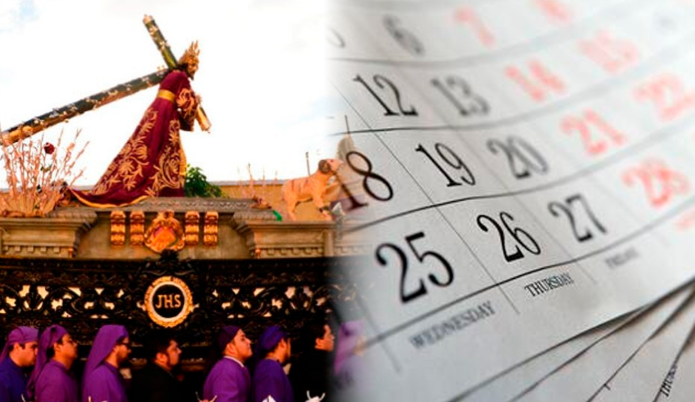
Holy Week 2027 Spain: A Day-by-Day Calendar
When mapping out your itinerary for Holy Week 2027 Spain, knowing the daily significance helps you decide where to be and when. The week is a continuous narrative, with each day building upon the last, featuring distinct rituals and processional styles that vary by region. Below is the definitive Semana Santa calendar for the year, detailing the theological importance behind each date.
Palm Sunday – March 21, 2027
The triumphant entry of Jesus into Jerusalem. This marks the official start of the celebrations, with morning blessings of palm fronds and olive branches. In coastal cities like Malaga, this is often a bright, joyful day featuring the first major processions of children and the beloved "La Pollinica" float.
Holy Monday – March 22, 2027
A day of introspection, yet paradoxically one of the most visually stunning nights in Andalusia. The processions often focus on the cleansing of the temple. In Granada, the silence is punctured only by the haunting chant of a flamenco-style saeta echoing through the Albaicín.
Holy Tuesday – March 23, 2027
Devotion intensifies. This is historically a day representing the tension before the betrayal. You will see brotherhoods carrying intricate sculptures by masters like Mariano Benlliure. Seville’s evening processions on this night are notorious for their deep religious fervor and theatrical intensity.
Holy Wednesday – March 24, 2027
The narrative of the betrayal by Judas takes center stage. The atmosphere shifts to a more somber tone. This is a peak day for visitor attendance, particularly in Seville’s Triana district, where the bridge crossing of the "Esperanza de Triana" float is a defining image of the week.
Maundy Thursday – March 25, 2027
Arguably the most magical night of Holy Week 2027 Spain. Commemorating the Last Supper and the washing of the feet, this night is a marathon of candlelight and incense. Processions leave churches in the late evening and don’t return until the early dawn, moving through narrow streets in absolute silence or to the sound of live brass bands.
Good Friday 2027 Spain – March 26, 2027
The darkest day in the Christian calendar, marking the crucifixion. The Good Friday 2027 Spain observances are known as "La Madrugá" (the early morning), which technically spans the night between Thursday and Friday. This is when the most venerated images, such as the "Jesús del Gran Poder" in Seville, emerge. The streets turn into a sea of black dresses and tailored suits, and the only light comes from wax candles. The silence is profound, broken only by a lone drum or a mournful trumpet call.
Holy Saturday – March 27, 2027
A day of quiet mourning and waiting. There are far fewer daytime disturbances. The evening processions, however, are grand and majestic, often focusing on the solitude of the Virgin Mary. The tone is regal rather than anguished, preparing the city for the explosion of joy that follows the next morning.
Easter Sunday 2027 – March 28, 2027
Resurrection Sunday. The mourning veils are removed from statues of the Virgin. Celebrations on Easter Sunday 2027 are a stark contrast to the previous days—bright, joyous, and filled with light. Church bells ring continuously, and the floats feature freshly cut flowers and children throwing candy. While the heavy mourning ends, the festive spirit of family gatherings and celebratory meals begins.
The Shift in Seasons: Semana Santa and Easter Dates 2025–2029
To truly grasp why Semana Santa 2027 will feel different, you need to look at the broader cycle of moveable feasts. Because the dates are based on the lunar calendar, they fluctuate wildly across a five-year span. This volatility affects not just the weather but the availability of flights and historic hotels.
2025 Dates: Holy Week runs from April 13 to April 20. This is a classic, late-spring celebration aligning with peak tourism season in Spain.
2026 Dates: The dates fall from March 29 to April 5. This is still a comfortable spring period, slightly cooler than 2025 but reliably warm in the south.
2027 Dates: Shifting to March 21–28, this is the anomaly in the cycle. It is the earliest possible occurrence, creeping into the last gusts of winter.
2028 Dates: A dramatic swing back to April 9–16, bringing the holiday firmly back into the mild embrace of mid-spring.
2029 Dates: A late celebration spanning March 25 to April 1, offering a balance of early spring freshness and holiday sunshine.
The unique placement of the Semana Santa calendar in 2027, with Easter sitting squarely in the third week of March, means visitors will experience a cooler, fresher atmosphere. The scent of orange blossom, which usually dominates late April festivities, may be just beginning to bloom in 2027, replaced by the sharp, clean scent of night-blooming jasmine and spring rain on ancient cobblestones.
Travel Implications for an Early Holy Week 2027 Spain
The exceptionally early timing of Holy Week 2027 Spain alters the travel logistics significantly. If you approach this trip expecting the scorching, sun-drenched heat of a typical Andalusian April, you will be underprepared. This year requires a different packing strategy and a nuanced understanding of local rhythms.
Weather Variability and Comfort
Unlike the guaranteed dry heat of late April, late March in Seville, Granada, and Cordoba is unpredictable. Daytime temperatures can range from a brisk 12°C (54°F) in the shade to a pleasant 20°C (68°F) in the sun. However, once the sun drops, the mercury follows. Standing stationary on a cobblestone street for three hours to watch a float requires layering. A heavy wool shawl or a tailored winter coat is not an exaggeration for these evenings. Rain is also a more persistent threat in March. The dreaded lluvia (rain) can cancel processions instantly, and in 2027, the odds of an Atlantic front rolling in are statistically higher than in April.
However, the cooler temperatures make crowded viewing spots far more bearable, removing the risk of heat exhaustion that plagues late-season events.
Crowd Dynamics and Daily Schedules
You might assume an early date means fewer tourists. The opposite is true in Spain. 2027’s dates are globally unique, triggering an influx of curious visitors who prefer the cooler exploration weather. More importantly, the local crowd behavior changes. In late-night April processions, Spaniards will crowd the tapas bars until 2:00 AM. In March, the chilly air pushes people into packed indoor bodegas earlier. Reservation timings for dinner shift slightly forward compared to the very late culture of Spanish summer. The squeeze at popular city center taverns becomes more intense earlier in the evening, making it essential to have a local guide or a strict dining itinerary.
The School Holiday Overlap
One of the most critical factors for Semana Santa 2027 is the alignment with academic calendars. Many European and Spanish regional school holidays are scheduled around the Easter weekend, regardless of how early it falls. In 2027, this means a condensed domestic travel boom. Flights from Madrid and Barcelona to Seville and Malaga will see a vertical price spike. Additionally, hotels that cater to international luxury travelers will be competing with Spanish families on their spring vacaciones. This overlap compresses the booking lead time; if you wait until after the New Year to secure your preferred accommodation or a specific balcony spot along a procession route, you will likely find it sold out.
Securing Quality Accommodation and Expert-Led Experiences
Because Semana Santa 2027 falls on these early dates, the approach to booking shifts from a casual reservation to a strategic necessity. The quality of your experience isn't just determined by which city you pick, but how you integrate into the fabric of the celebration without friction.
The best viewing spots for Good Friday 2027 Spain and the preceding nights are rarely found on a public street corner. The true quality lies in securing a private balcony overlooking the official carrera oficial (official route). Being elevated above the crowd offers an unobstructed view of the intricate gold-leaf detailing on the "pasos" (floats), details you miss when peering through a sea of heads. By booking with a knowledgeable travel designer, you can secure these spots along with an expert local historian who can translate the whispered rituals and complex symbolism of the penitents' robes.
Luxury travelers looking for a seamless experience often turn to an expert partner like Cesso to manage these layers. Rather than fighting the crowds for a table after a three-hour procession, a curated itinerary ensures you have a late-night reservation at a private members-only dining club or a historic restaurant that arms you with a traditional tortillitas de camarones and a glass of crisp manzanilla sherry the moment you step off the street.
The value of such a service in a compressed, high-demand week like 2027 cannot be overstated; it transforms the chaotic beauty of the week into a narrative journey that is comfortable, deeply informative, and profoundly moving.
The Nuance of Ritual and Material Grandeur
The soul of Holy Week 2027 Spain rests not in the spectacle alone, but in the physical artistry that makes it tangible. The materials used in these celebrations are not props; they are centuries-old heritage items preserved by the confraternities. Understanding the weight and texture of the event deepens the appreciation for why a logistical partner is essential for prime viewing.
The towering floats are massive baroque structures of gilded mahogany, some weighing over 2,000 kilograms. They are not pushed by machines but carried on the necks of "costaleros"—hidden men who move in synchronized, invisible steps beneath velvet skirts.
You will notice the flicker of real wax candles dripping onto the wood, the scent of the thousands of fresh blooms that decorate the Virgins' mantles—these are real, delicate, and fleeting. To see these up close from a ground-level spot is to feel the heat of the candles and the trembling effort of the bearers. To see them from a curated vantage point is to study the silent communication of the foreman, the minute shifts in balance, and the sparkle of a single teardrop carved into a wooden saint's cheek. This is the quality of observation that differentiates a standard visit from a transformative one.
The Full City-by-City Breakdown: Where Devotion Meets Character
While knowing the Semana Santa 2027 dates and the general flow of the week is crucial, the experience is not uniform across the peninsula. Spain is a tapestry of fiercely independent regions, each injecting local flavor into the liturgy. The silence of a Castilian procession is vastly different from the symphonic sorrow of Andalusia. To truly appreciate the breadth of the celebration, one must select a destination that aligns with their personal aesthetic, whether it be the theatrical grandeur of Seville, the austere spiritual silence of Zamora, or the cinematic dawn climaxes of Murcia.
The specific viewing corners, hidden plazas where you can hear a needle drop during the passing of the Virgin, and the private rooftop terraces that avoid the crush of the crowds are not common knowledge easily found on tourist maps. For a granular exploration of exactly where to stand, which hotels offer privileged access, and how to move between multiple cities to catch the most dramatic moments, we invite you to explore the full city-by-city breakdown. This comprehensive resource dives into the architectural backdrops of Granada, the marine-influenced processions of coastal Malaga, and the profound medieval darkness of Caceres, ensuring your 2027 pilgrimage is matched perfectly to your sensibility.
