Why Are Collectors Searching for Vintage Japanese License Plates?
Introduction
The fascination with automotive collectibles has surged worldwide, and one item that has captured the hearts of enthusiasts is vintage Japanese license plates. These small yet iconic pieces of automotive history are no longer just functional; they are cultural artifacts, highly sought after by collectors, decorators, and automotive historians. From their unique designs to the story they tell about Japan's automotive evolution, vintage plates offer a blend of nostalgia, craftsmanship, and aesthetic appeal that makes them irresistible.
For collectors and JDM enthusiasts, owning an authentic plate is more than decoration; it is a way to connect with Japan’s rich motoring culture. Today, we explore why collectors are on the hunt for these plates, the factors that increase their value, and how they can be incorporated into modern automotive collections.
The Allure of Authenticity
Unique Designs and Regional Codes
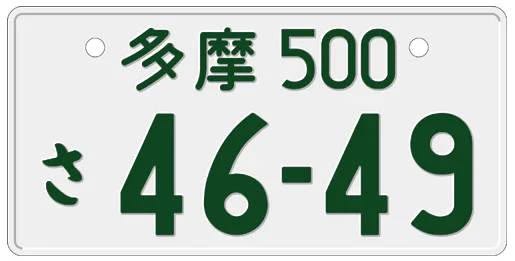
Japanese license plates are distinguished by their precise and organized system. Each plate features region-specific codes, classification numbers, and kanji characters, offering a glimpse into the vehicle's origin and type. Collectors value these details for their historical significance and uniqueness. Unlike standard Western plates, Japanese plates often combine functionality with artistic layout, creating a visually appealing collector’s item.
- Regional diversity: Plates from Tokyo differ from those in Osaka or Hokkaido, offering variations in design.
- Specialized classifications: Light trucks, passenger cars, and commercial vehicles each have distinct formats.
- Kanji characters: These give each plate a cultural authenticity that resonates with collectors.
Materials and Craftsmanship
Authentic Japanese plates are typically made from embossed aluminum, ensuring durability and a long-lasting finish. The precision of the embossing, the crispness of the characters, and the vibrant background colors contribute to their collector appeal.
- Embossed aluminum construction ensures longevity.
- Authentic paint and coating maintain historical accuracy.
- Durable and visually striking for display purposes.
Nostalgia and Cultural Significance
A Piece of Japanese Automotive History
Collectors often seek vintage Japanese license plates because they represent a specific era in Japan's automotive development. From the classic mini trucks of the 1970s to modern kei vehicles, each plate tells a story. They are historical markers that allow enthusiasts to relive Japan's motoring evolution.
- Historical markers: Plates indicate vehicle type, registration year, and region.
- Connection to JDM culture: Especially popular among Japanese Domestic Market enthusiasts.
- Cultural artifacts: Reflect Japan's attention to detail and design aesthetics.
Popular Among International JDM Fans
Japanese car culture has a significant global following, particularly among JDM enthusiasts. Collectors worldwide seek authentic Japanese plates to complete the visual authenticity of their imported vehicles or to showcase in automotive collections. A well-preserved plate adds credibility to a classic Japanese vehicle restoration or display. At the same time, those looking for original and high-quality options can explore genuine products like Japanese License Plates, which feature authentic embossed designs, precise fitment, and classic JDM styling.
- Authentic display pieces for car shows.
- Enhances visual storytelling for vintage Japanese vehicles.
- Global appeal among JDM car enthusiasts.
Factors Increasing Collectibility
Rarity and Age
Like any collectible, rarity drives demand. Plates from limited-production vehicles, early registration years, or discontinued regional codes are highly prized. Older plates with intact paint and minimal wear are especially valuable.
- Pre-1980s plates command higher prices.
- Discontinued regional codes attract collectors seeking unique items.
- Limited production or special edition vehicles make certain plates highly sought after.
Condition and Preservation
Collectors prioritize plates in excellent condition. Minor scratches or rust can reduce value, while pristine plates with clear characters, vibrant colors, and original mounting holes maintain appeal.
- Well-preserved paint and embossing are critical.
- Minimal rust or damage adds to collectible value.
- Careful restoration can increase desirability without compromising authenticity.
Popular Vehicle Associations
Certain vehicles, like classic Suzuki Carry, Daihatsu Hijet, or Honda Acty mini trucks, carry a nostalgic appeal, making their original license plates highly desirable. Plates associated with iconic cars or trucks enhance both aesthetic and historical significance.
- Mini trucks from the 1970s and 1980s are especially popular.
- Vehicles with racing or commercial history can increase plate value.
- JDM icons often have higher collectible demand.
How Collectors Use Japanese License Plates
Display and Decor
Many collectors use vintage plates as display pieces in garages, offices, or home collections. Mounted on walls or in custom frames, they serve as conversation starters and celebrate automotive culture. Plates can also be integrated into automotive-themed décor, providing a unique aesthetic that blends history and style.
- Wall-mounted displays in garages or man caves.
- Custom frames to highlight individual plates.
- Integrated automotive décor in shops and exhibitions.
Restoration and Vehicle Enhancement
Restoring a vintage Japanese vehicle often involves sourcing authentic license plates to maintain originality. Using genuine plates elevates a restored vehicle’s historical accuracy, which is highly valued among collectors and enthusiasts.
- Authenticity in restoration projects is crucial.
- Visual completion of vintage vehicles.
- Increases market value of restored vehicles.
Collecting as Investment
Some collectors view vintage Japanese plates as investment pieces. Rare and well-preserved plates often appreciate over time, particularly as interest in JDM culture grows globally. Savvy collectors track regional codes, vehicle associations, and production years to identify plates with potential investment value.
- Appreciating collectible value over time.
- Scarcity and rarity drive demand.
- Integration into a larger JDM investment portfolio.
Conclusion
The appeal of vintage Japanese license plates extends far beyond their functional purpose. They are authentic cultural artifacts, offering collectors a tangible connection to Japan's rich automotive history. Their unique designs, rarity, and historical significance make them highly sought after by JDM enthusiasts, restorers, and international collectors alike. Whether displayed as part of a collection, used in vehicle restoration, or treasured as an investment, these plates hold enduring value and appeal.
For collectors eager to own a piece of automotive history, exploring genuine options is essential. Start building your authentic collection today and bring a touch of Japan’s iconic motoring culture into your collection. Don’t miss the opportunity to own a rare and culturally rich piece of history.
