Therapeutic Hypothermia Systems: Advancing Critical Care Through Temperature Management
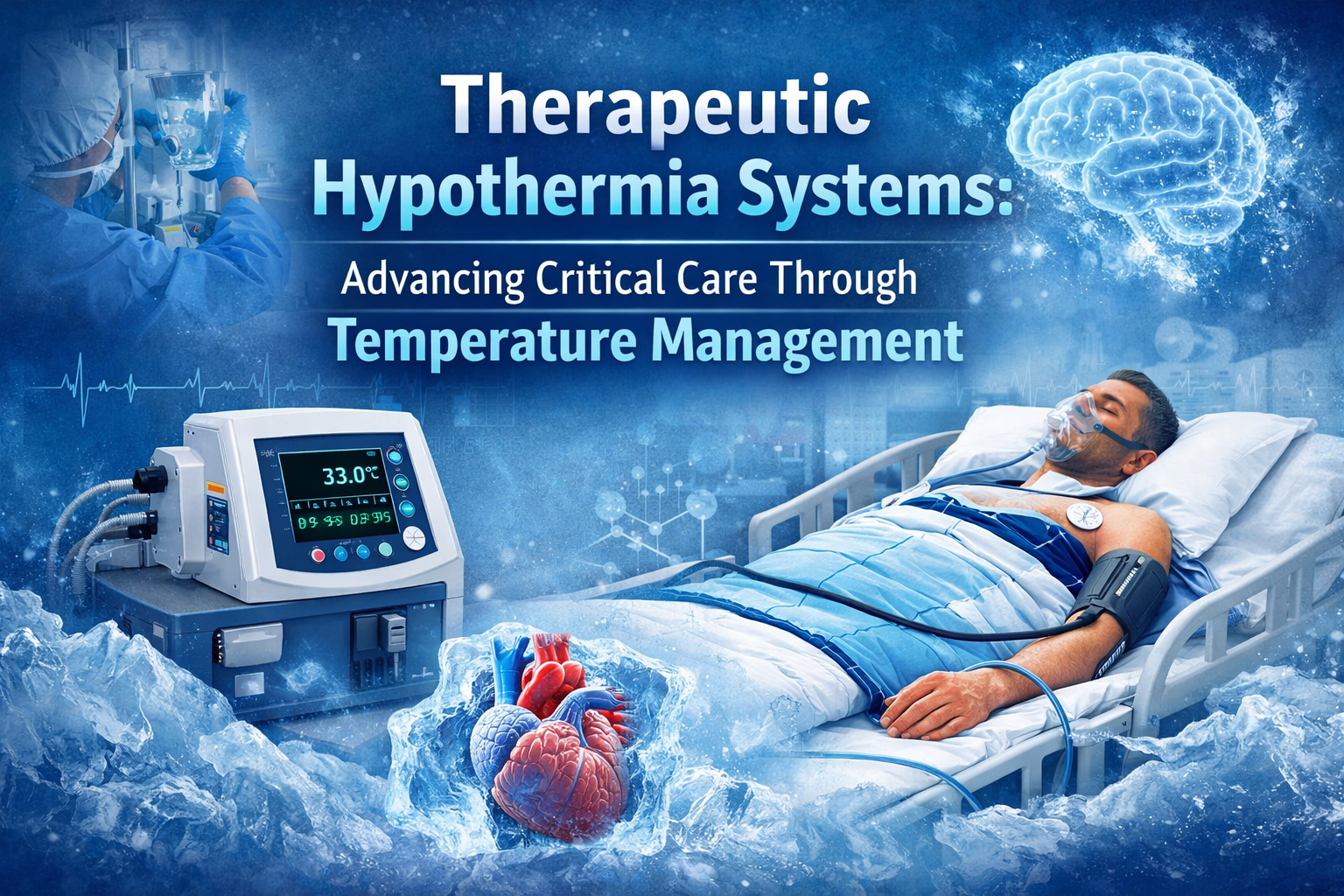
Therapeutic hypothermia, also referred to as targeted temperature management (TTM), has started to play a critical role in the contemporary healthcare, especially within emergency and military environments. It entails the selective depression of the body temperature of a patient in order to counteract the impact of ischemic damage particularly after cardiac arrest, stroke or traumatic brain injury. With the development of medical technologies, the therapeutic hypothermia systems receive growing popularity due to their contribution to the neurological outcome and survival rates.
Knowledge of Therapeutic Hypothermia Systems.
Therapeutic hypothermia systems are special medical equipment which is aimed at maintaining the body temperature of a patient in a specific range. Such systems usually have surface cooling systems (cooling blankets and pads), and intravascular cooling systems, which control the temperature internally using catheters.
The essence of these systems is to slow down the metabolism process, decrease oxygen consumption and minimize cellular injury. Such a controlled method gives the clinicians the opportunity to stabilize their patients in a critical period of treatment especially when the brain is at risk of being injured because of the decreased blood flow.
Clinical Relevance and Applications.
The implementation of hypothermia therapy systems is closely interconnected with the fact that they can be effective in treating the diseases related to the lack of oxygen. Among the most notable uses is in the care of post-cardiac arrest, where quickly applied temperature management can greatly contribute to neurological outcome.
Besides cardiac care, the systems are also being applied in the management of neonatal hypoxic-ischemic encephalopathy, which is a disease involving newborns because of the lack of oxygen during delivery. They are also increasing their role in the treatment of stroke and traumatic brain injuries where the reduction of secondary injury is highly important to patient outcomes.
The increased clinical support of the use of therapeutic hypothermia has strengthened its role as an essential part of the advanced critical care guidelines.
Advancing Technologies that are driving adoption.
The introduction of more advanced therapeutic hypothermia units has helped in their greater use. The contemporary systems include automated temperature control, real time monitoring and feedback feedback which contribute to accuracy and reliability.
The development of new intravascular cooling technology has enabled the use of a more stable and quicker temperature regulation in comparison to the old surface techniques. Moreover, it has been integrated with monitoring systems of the hospitals which have enhanced the efficiency of workflow among the healthcare providers.
These innovations not only promote clinical effectiveness but also decrease the probability of such complications as overcooling or a change in temperature, which negatively affect the patient outcomes.
Dynamics and Growth Factors in the market.
The therapeutic hypothermia systems market is also affected by various determinants, among which are the rising cases of cardiovascular diseases and neurological ailments. The need to have reliable technologies in the management of temperature keeps on increasing as healthcare systems across the globe focus on providing advanced solutions to critical care.
An awareness campaign among the medical staff of the importance of targeted temperature management is also driving up market growth. There is a growing clinical evidence that supports the use of therapeutic hypothermia, especially in the provision of post-resuscitation care, which allows further adoption.
Simultaneously, greater access to more sophisticated healthcare technologies, especially hypothermia systems, is being facilitated by the development in healthcare infrastructure, especially in developing economies.
Issues and Problems.
However, therapeutic hypothermia systems have some challenges regardless of their clinical advantages, which could have the effect on their use. An additional obstacle is the cost involved in high-end cooling devices as well as their maintenance especially where resource constraints exist.
It is also important to note that these systems require trained healthcare professionals to be successfully operated, which puts the emphasis on special training and clinical knowledge. Clinical protocols and their variability in responsiveness of patients also require close attention and personalized treatment strategies.
The regulatory issues and the necessity to comply with safety standards further define the market environment as manufactures should make products highly reliable and clinically valid.
Regional Insights
Introduction of therapeutic hypothermia systems varies by geographic area due to the existence or lack of adequate healthcare infrastructure, clinical awareness, and regulatory frameworks. Higher rates of adoption are seen in developed countries that have well developed healthcare networks that have easier access to technology and well developed critical care.
On the contrary, developing countries are experiencing a slow pace of growth, with the help of the growing number of investments in the healthcare infrastructure and the growing level of awareness about innovative forms of treatment. With the constant changes in healthcare systems across the globe, regional differences in adoption will eventually be eliminated.
Competitive Landscape
The therapeutic hypothermia systems industry is defined by the existence of well established medical devices engine companies that are oriented towards innovation and product development. Businesses are putting money in research to increase the efficiency, ease of operation, and safety of the system to the patients.
The strategic partnerships, product introduction, and technological innovations are still the major strategies embraced by the players in the industry to reinforce their status in the market. The competitive environment demonstrates the equilibrium between the innovation-oriented growth and demands of cost-efficient solutions.
Future Outlook
The future of the therapeutic hypothermia systems is directly linked to the continuous development of the critical care medicine and medical technology. They will become even more central in the management of the patients as the research process will proceed into the new clinical application and optimization of the treatment procedures.
The effectiveness of temperature management solutions can be even improved with the emergence of new trends, including individualized medicine and the ability to integrate it with digital health technologies. The rate of uptake will however be determined by factors like cost, clinical evidence, and access to healthcare.