What Is a Gold ETF?
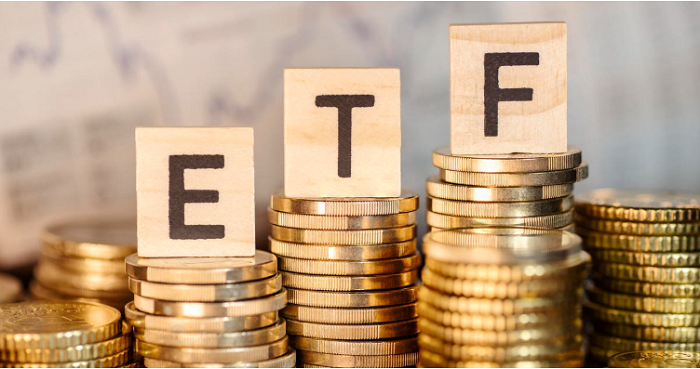
Gold has long been regarded as a safe-haven asset, offering stability in times of economic uncertainty. In recent decades, investors have sought more convenient ways to gain exposure to gold without physically storing it. This demand gave rise to Gold ETFs (Exchange-Traded Funds) — a modern investment vehicle that combines the security of gold with the flexibility of stock trading.
Understanding the Basics of Gold ETFs
A Gold ETF is an exchange-traded fund that aims to track the price of gold. Each unit of a Gold ETF typically represents a specific quantity of physical gold, often stored in secure vaults by the fund's custodian. Unlike buying gold bars or coins, which requires safe storage and insurance, Gold ETFs allow investors to participate in gold price movements through a regular brokerage account.
Gold ETFs trade on stock exchanges just like shares of a company. This means they can be bought and sold throughout the trading day, offering liquidity and accessibility that physical gold cannot match.
How Gold ETFs Work
Gold ETFs are designed to mirror the spot price of gold. Most funds achieve this by holding physical gold bullion in vaults, while others may use gold futures or other derivatives to replicate price performance. Each share represents fractional ownership in the underlying assets.
For example, if one unit of a Gold ETF represents 1/10th of an ounce of gold, and gold is trading at $2,000 per ounce, the ETF’s price would be approximately $200, before management fees.
Key Advantages of Gold ETFs
- Convenience – No need to handle, store, or insure physical gold. Transactions are executed just like any other stock trade.
- Liquidity – ETFs can be bought and sold instantly during market hours, unlike physical gold which often involves dealers and price spreads.
- Cost-Efficiency – Management fees for Gold ETFs are typically lower than the costs associated with storing and securing bullion.
- Portfolio Diversification – Gold ETFs provide an easy way to add a non-correlated asset to an investment portfolio, potentially reducing overall volatility.
Potential Risks and Considerations
While Gold ETFs offer many benefits, they are not without risks:
- Price Volatility – Gold prices can fluctuate significantly based on economic data, interest rates, and geopolitical events.
- No Physical Possession – Investors do not directly hold gold, so they miss the tangible asset ownership aspect.
- Management Fees – While generally low, annual expense ratios can still reduce returns over time.
- Counterparty Risk – For ETFs using derivatives, there’s a potential risk tied to the performance of the issuing institution.
Types of Gold ETFs
Gold ETFs can be classified into two main categories:
- Physical-Backed Gold ETFs – These hold actual gold bars in secure vaults. Examples include SPDR Gold Shares (GLD) and iShares Gold Trust (IAU).
- Synthetic Gold ETFs – These use futures contracts, swaps, or other derivatives to track gold’s price without holding physical metal.
Investors should review the ETF’s prospectus to understand the underlying structure and risk exposure.
How to Invest in Gold ETFs
Investing in a Gold ETF is straightforward:
- Open a Brokerage Account – Choose a broker that offers access to your preferred stock exchange.
- Research ETF Options – Compare expense ratios, liquidity, and tracking accuracy.
- Place an Order – Buy units of the ETF just as you would purchase shares of a company.
- Monitor Performance – Keep an eye on gold market trends and review your investment periodically.
Factors Influencing Gold Prices
To invest successfully in Gold ETFs, understanding the drivers of gold’s value is essential:
- Inflation and Currency Movements – Gold often rises during periods of high inflation or when the U.S. dollar weakens.
- Geopolitical Uncertainty – Wars, conflicts, and political instability tend to boost gold demand.
- Interest Rates – Lower interest rates can make gold more attractive compared to interest-bearing assets.
- Central Bank Policies – Large purchases or sales of gold by central banks can influence market prices.
Gold ETFs vs. Physical Gold vs. Gold Mining Stocks
- Gold ETFs offer convenience, liquidity, and lower costs.
- Physical Gold provides tangible ownership but requires secure storage.
- Gold Mining Stocks can deliver higher returns during gold bull markets but carry additional risks tied to company performance.
For many investors, Gold ETFs strike a balance between accessibility and exposure to gold’s price.
Are Gold ETFs Right for You?
Gold ETFs can be an excellent choice for those seeking to diversify their portfolio, hedge against inflation, or gain exposure to gold without the complexities of physical ownership. However, as with any investment, it’s important to assess your risk tolerance, investment horizon, and overall portfolio strategy.
Final Thoughts
Gold ETFs have transformed how investors access the gold market. They combine the age-old appeal of gold with the modern benefits of exchange-traded investing. By offering liquidity, convenience, and cost efficiency, they allow both individual and institutional investors to integrate gold into their portfolios with ease. Yet, understanding the risks — from price volatility to structural differences between ETFs — is crucial before committing capital. With careful selection and a clear investment plan, Gold ETFs can serve as a valuable component of a diversified financial strategy.
