The Last Safe Zone: A Free Fire Survival Story
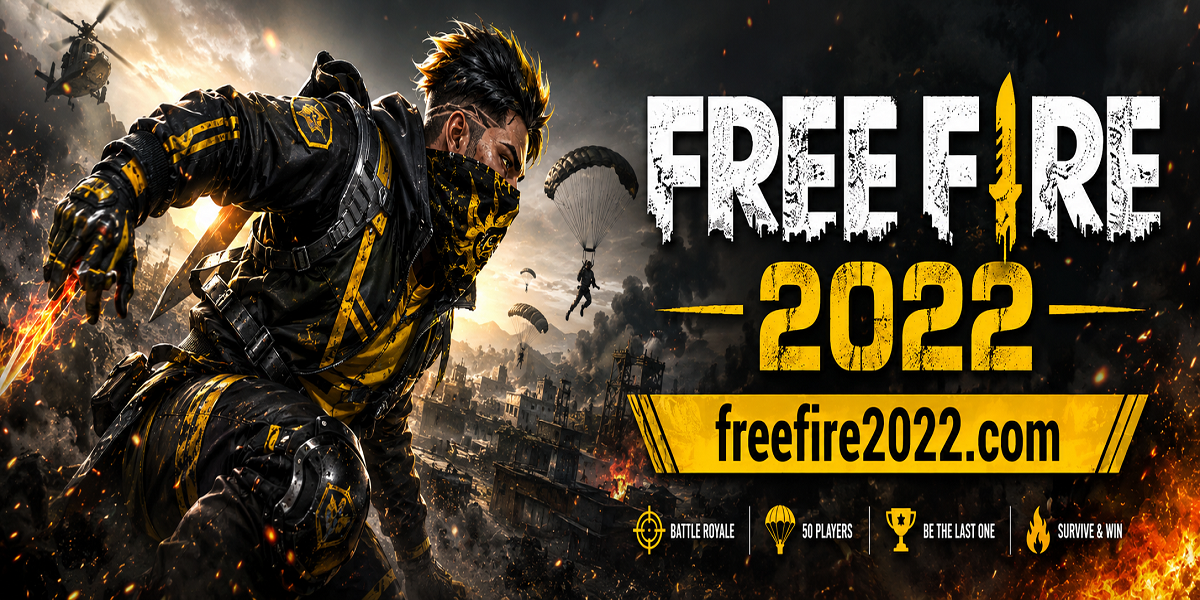
The transport plane crossed the island beneath a dark orange sky. Twenty-year-old Ryan checked the map one final time and marked a quiet village near the edge of the flight path. Most players were preparing to jump toward the crowded city, where weapons and supplies were plentiful but survival was never guaranteed.
Ryan preferred patience.
He jumped late, opened his parachute, and landed beside an abandoned workshop. The building looked empty, but inside he found a basic vest, medical supplies, ammunition, and a reliable assault rifle. It was not the strongest starting loadout, but it gave him enough confidence to begin moving.
A warning appeared on the screen. The first safe zone had formed far to the north.
Ryan left the workshop and crossed a narrow field while listening for footsteps. A motorcycle stood beside the road, but using it would reveal his position. He decided to continue on foot, moving between trees, rocks, and small buildings to remain hidden.
Near an old warehouse, he heard gunfire.
Two opponents were fighting inside. Ryan waited outside rather than rushing into the battle. A few seconds later, one player emerged with low health. Ryan fired a short, controlled burst and secured the elimination before quickly changing position. He knew that staying near the same doorway would make him an easy target.
Inside the warehouse, he found better armor, grenades, and a long-range weapon. The combination gave him more flexibility. Players learning about different Free Fire weapons and characters often discover that equipment choices should match both the situation and their preferred playing style. Ryan understood this well. He kept the assault rifle for close and medium-range fights and used the second weapon only when he had a clear advantage.
As the safe zone became smaller, the island grew quieter. Every sound mattered: distant shots, footsteps on metal, a vehicle engine, or the brief click of someone changing weapons.
Ryan reached a hill overlooking the next circle. Below him, three players were moving toward a group of houses. Instead of firing immediately, he watched their routes. One player entered a building, another hid behind a wall, and the third ran across open ground.
Ryan targeted the exposed opponent first.
The shot landed, but the player escaped behind cover. Almost immediately, another enemy fired toward Ryan’s position. He dropped behind the hill, used a healing item, and rotated toward a different rock. The enemy continued aiming at his old location, unaware that Ryan had already moved.
This small decision changed the fight.
From the new angle, Ryan could see the opponent’s shoulder behind a tree. He fired carefully and won the exchange. He then collected only the supplies he needed. Spending too much time looting in the late game could be more dangerous than entering a direct fight.
Only four players remained.
The final zone formed around a damaged two-story house and a small open courtyard. Ryan approached from the rear, using the shrinking boundary as protection. Inside the house, footsteps moved above him. Another player was hiding near a broken wall outside, while the final opponent’s location remained unknown.
A grenade rolled down the stairs.
Ryan immediately moved into a side room before the explosion shook the building. The player upstairs rushed down, expecting an easy elimination. Ryan waited beside the doorway and fired as soon as the opponent entered.
Three players remained.
Gunfire erupted outside. Ryan looked through a window and saw one player attacking another near the wall. He resisted the urge to shoot immediately. When the fight ended, the survivor began healing in the open.
Ryan fired.
The final opponent disappeared behind the wall with only a small amount of health. Ryan moved carefully through the back door, expecting a trap. The safe zone was now extremely small, leaving almost no space for either player to reposition.
For several seconds, nothing happened.
Then Ryan heard a single footstep on the other side of the wall.
He threw a grenade to the left and moved right. The opponent reacted to the explosion and stepped directly into Ryan’s line of sight. One final burst ended the match.
The victory screen appeared.
Ryan leaned back and smiled. He had not won because he collected the rarest equipment or rushed into every battle. He won because he listened, adapted, chose his fights carefully, and understood when patience was more valuable than aggression.
On the island, powerful weapons could improve a player’s chances, and character abilities could create important advantages. But in the final moments, awareness and decision-making often mattered most.