How Crypto Payment Gateway Development Helps Reduce Payment Processing Costs
Payment processing costs can have a significant impact on business profitability, especially for organizations that handle large transaction volumes or serve customers across multiple regions. Traditional payment systems often involve several intermediaries, including banks, card networks, and payment processors, each contributing to the overall transaction cost.
As digital commerce continues to expand, businesses are exploring alternative payment infrastructures that support efficiency, transparency, and scalability. Crypto Payment Gateway Development has emerged as a practical approach for organizations seeking to streamline payment operations while reducing certain costs associated with conventional payment methods. By leveraging blockchain technology, businesses can process transactions more efficiently and offer customers additional payment options in a rapidly evolving digital economy.
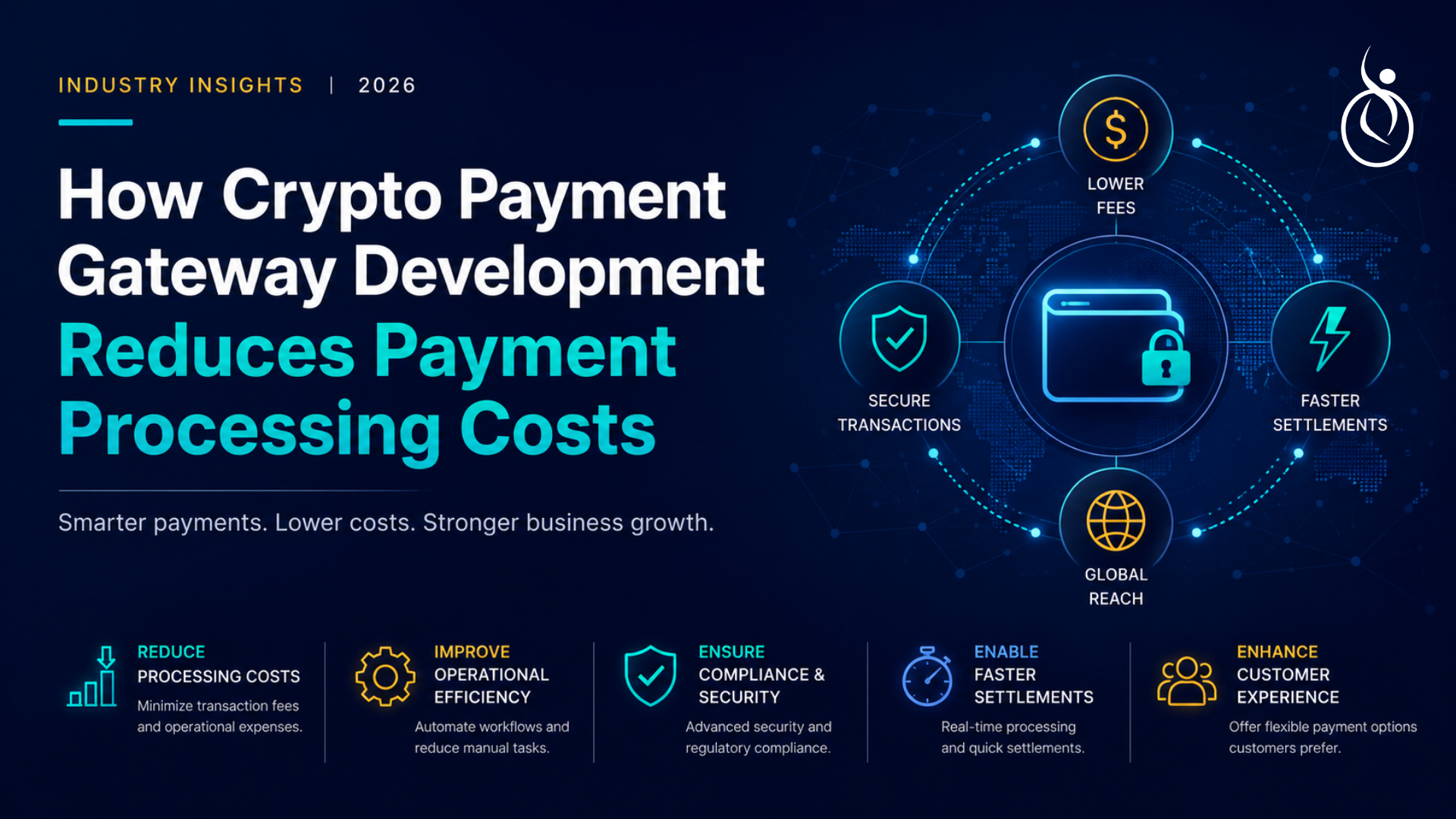
Why Payment Processing Costs Matter for Businesses
Payment-related expenses extend beyond basic transaction fees. Many organizations encounter additional costs throughout the payment lifecycle, which can affect operational efficiency and long-term profitability.
- Common payment processing expenses include:
- Transaction processing fees
- Cross-border payment charges
- Currency conversion costs
- Settlement delays
- Chargeback-related expenses
- Administrative reconciliation efforts
For businesses operating internationally, these costs can become increasingly complex. Delayed settlements may impact cash flow, while multiple intermediaries can increase transaction expenses. As companies continue to expand into global markets, finding efficient payment solutions becomes an important part of maintaining sustainable growth and improving customer experiences.
How Crypto Payment Gateways Help Reduce Transaction Expenses
Modern payment infrastructure is evolving to address many of the challenges associated with traditional payment systems. A cryptocurrency payment gateway enables businesses to process digital asset transactions through blockchain networks, which operate differently from conventional banking systems.
One of the primary advantages is the reduction of intermediary involvement during transaction processing. Traditional payment methods often require several parties to validate and settle payments. Blockchain-based systems can streamline this process through decentralized verification mechanisms, helping reduce operational complexity.
Organizations that accept payments in crypto may also benefit from faster transaction settlements, particularly when serving customers across international markets. Instead of relying on multiple financial institutions to complete transactions, blockchain networks facilitate direct value transfers between participants.
A crypto payment processor can further improve efficiency by automating transaction records and providing transparent payment tracking. This visibility helps businesses manage payment operations more effectively while reducing the administrative effort associated with manual reconciliation processes.
Key Features That Improve Payment Efficiency
Several features contribute to the effectiveness of blockchain-based payment infrastructure and support cost optimization across business operations.
Multi-Currency Transaction Support
Businesses often serve customers from different regions with varying payment preferences. Supporting multiple digital assets within a single platform simplifies payment management and reduces the need for separate processing systems.
Automated Settlement Processes
Automation can help reduce delays commonly associated with traditional payment settlements. Faster transaction completion may improve cash flow management and enhance operational efficiency.
Crypto Wallet Integration
Secure wallet connectivity enables seamless transaction processing while providing businesses and customers with greater control over payment activities. Effective crypto wallet integration also contributes to a smoother payment experience.
Payment API Connectivity
A well-designed payment API allows businesses to integrate payment functionality into websites, applications, and digital platforms without disrupting existing workflows. This flexibility supports scalability as transaction volumes increase.
Real-Time Transaction Tracking
Blockchain networks provide transparent transaction records that can be monitored in real time. This capability helps businesses improve financial visibility and maintain accurate transaction reporting.
Secure Transaction Verification
Advanced verification mechanisms help maintain transaction integrity and reduce risks associated with unauthorized payment activities. Security remains a critical factor in any payment ecosystem, particularly for businesses handling high-value transactions.
Business Benefits Beyond Cost Savings
While reducing transaction expenses is a major consideration, businesses often evaluate additional advantages when adopting blockchain-powered payment solutions.
Additional business benefits include:
- Improved global payment accessibility
- Faster settlement cycles
- Greater transaction transparency
- Enhanced operational efficiency
- Flexible payment acceptance options
- Better support for digital commerce growth
A crypto payments gateway can help organizations expand their reach by enabling transactions across geographical boundaries. This capability is particularly valuable for businesses serving international customers who may prefer digital asset transactions over traditional payment methods.
Transparency is another important advantage. Blockchain technology creates a verifiable record of transactions, helping businesses maintain visibility into payment activity. This level of transparency can support auditing processes, improve financial management, and contribute to stronger operational oversight.
As digital payment technologies continue to evolve, many organizations are also exploring fiat-to-crypto payment gateway capabilities that allow greater flexibility between traditional currencies and digital assets. These innovations help businesses adapt to changing customer expectations while maintaining efficient payment operations.
Conclusion:
Managing payment processing costs remains a priority for businesses seeking long-term efficiency and sustainable growth. Traditional payment systems often involve multiple fees, intermediaries, and settlement challenges that can increase operational expenses over time.
Crypto Payment Gateway Development offers an alternative approach by leveraging blockchain technology to streamline transaction processing, improve transparency, and support faster settlements. Beyond cost reduction, businesses can benefit from enhanced payment flexibility, improved operational efficiency, and broader access to global markets. As digital commerce continues to evolve, organizations evaluating modern payment infrastructure may find blockchain-based payment solutions increasingly relevant to their future growth strategies.
