Maximizing Marketing and Customer Support Efficiency with Messenger Auto Send Message
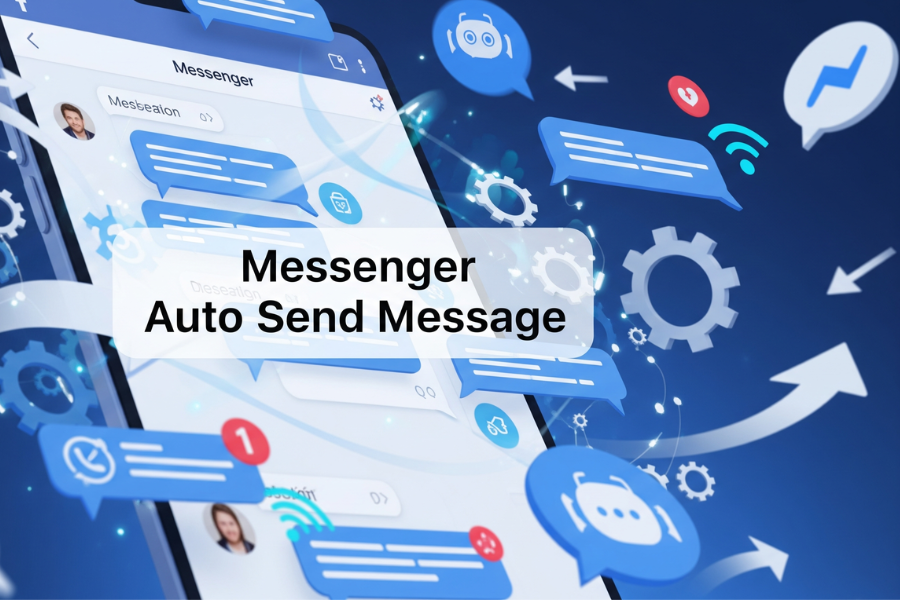
Customer expectations have evolved: immediate, personalized, and context-aware communication is now a baseline requirement. Companies that fail to meet these expectations risk losing leads, engagement, and revenue. Implementing Messenger Auto Send Message provides a solution. Automation allows businesses to respond promptly, nurture leads effectively, and maintain consistent communication without increasing operational workload.
Benefits of Messenger Automation
Instant Response: Reduces wait times, improving user satisfaction.
Lead Nurturing: Automates follow-ups, guiding users through the sales funnel.
Operational Efficiency: Frees staff from repetitive tasks, enabling focus on strategic work.
Brand Consistency: Ensures all messages reflect the company’s tone and identity.
Increased Engagement and Conversions: Personalized, timely messages increase user response and drive sales.
Core Features of Messenger Auto Send Message
AI Chatbots
Handle common queries, provide product recommendations, and deliver 24/7 support. Advanced AI allows natural conversations, improving user experience.
Scheduled & Trigger-Based Messages
Deliver messages automatically based on user behavior, subscriptions, or time-based sequences.
Personalization
Dynamic placeholders allow messages to include user names, preferences, or prior activity for highly tailored communication.
Segmentation & Targeting
Deliver relevant content to specific groups based on demographics, engagement history, or purchase behavior.
CRM & E-Commerce Integration
Automated messages leverage user data from existing systems to send relevant and timely communication.
Analytics & Reporting
Track engagement metrics, conversion rates, and message performance to refine automation strategies.
Step-by-Step Guide to Implementing Messenger Auto Send Message
Step 1: Define Objectives
Identify whether the focus is customer support, marketing campaigns, lead nurturing, or re-engagement. Objectives guide the design of automated workflows.
Step 2: Choose the Right Platform
Select a solution supporting personalization, triggers, scheduling, analytics, and integrations with existing systems.
Step 3: Create Message Templates
Design concise and actionable templates for:
Welcome messages
Abandoned cart reminders
Promotional campaigns
Post-purchase follow-ups
Customer support responses
Step 4: Configure Triggers
Define events that trigger automated messages: user actions, time-based sequences, product interactions, or subscription milestones.
Step 5: Personalize Content
Dynamic fields and conditional logic ensure each message feels relevant and individualized, driving higher engagement.
Step 6: Test Automation
Verify messages, personalization, and links function correctly before deployment. Testing ensures smooth customer experience.
Step 7: Monitor and Optimize
Analyze open rates, clicks, responses, conversions, and feedback. Use analytics to optimize message content, timing, and triggers.
Best Practices
Balance automation with human intervention for complex queries.
Avoid message overload to prevent user fatigue.
Use multimedia content to enhance interaction.
Segment audiences for targeted, relevant messaging.
Maintain friendly, professional, and helpful tone.
Applications Across Industries
E-Commerce: Order confirmations, reminders, promotions, and upselling.
Service Providers: Appointment confirmations, reminders, FAQs, and support.
Content Creators: Notify subscribers about new content, events, or updates.
SaaS & B2B: Onboarding, trial reminders, lead nurturing, product updates.
Case Study: SaaS Company Implementation
A SaaS company implemented Messenger automation for onboarding and support. Automated flows guided users through product setup, provided helpful tips, and offered instant support. Retention increased by 45%, while support tickets decreased significantly. Leveraging Messenger Auto Send Message, the company improved efficiency without compromising user experience.
Advanced Strategies
Use behavioral triggers for precise engagement.
Incorporate multimedia content for richer interaction.
Continuously update audience segments.
Conduct A/B testing to optimize messaging.
Integrate messaging with other channels like email or SMS for multi-channel campaigns.
Conclusion
Adopting Messenger Auto Send Message allows businesses to provide immediate, personalized communication while improving operational efficiency and conversions. Automation, when implemented thoughtfully and continuously optimized, enhances customer engagement, satisfaction, and business growth. Messenger automation is a key tool for companies seeking a competitive edge in today’s fast-paced digital environment.
https://minsoftwareglobal.com/messenger-auto-send-message-minsoftware/