The Ultimate Guide to AR and VR in E-commerce (with Real Examples)
As online shopping grows more exciting, customers expect rich, convenient experiences, and they expect them now. Augmented Reality (AR) and Virtual Reality (VR) in e-commerce make that possible. These technologies enable customers to "try before they buy," combining the best of in store shopping with the ease of online shopping.
We’ll look at real life examples, key industry data, and practical tips for AR/VR integration for e-commerce platforms, so you can offer immersive e-commerce experiences that customers crave. We also explore how comprehensive retail & e-commerce solutions support AR/VR adoption in digital commerce.
Introduction: The AR/VR Revolution in E-commerce Shopping
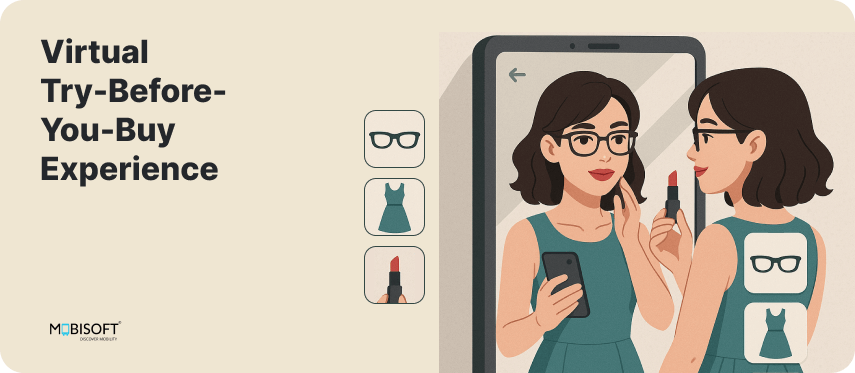
E-commerce has always struggled with a fundamental limitation: customers can’t physically interact with products before buying. AR and VR in e-commerce are changing this paradigm, offering shoppers the ability to “try before they buy,” visualize products in their environment, and enjoy interactive shopping with AR/VR technologies. These innovations are not just novelties; they deliver measurable value from higher sales to lower return rates and stronger brand loyalty.
What Are AR and VR in E-commerce Platforms?
Augmented Reality (AR) in Online Retail
AR in e-commerce superimposes computer generated information like images, 3D models, or videos on the real world, usually through smartphones or tablets. On online retail platforms, augmented reality in online retail allows consumers to see how products look in their environment (e.g., how a piece of furniture would look in the sitting room) or try on items such as makeup, spectacles, or clothing.
Virtual Reality (VR) in E-commerce Platforms
Virtual reality in ecommerce platforms creates fully immersive 3D shopping environments. Customers can browse virtual showrooms for e-commerce, walk down aisles, and interact with products via VR headsets or webbased 3D simulations. These VR shopping experiences mimic in store engagement and bring online shopping to life.
Source: What are AR/VR? And how does it enhance customer experience in e-commerce?
Key benefits of AR/VR Integration for Online Stores
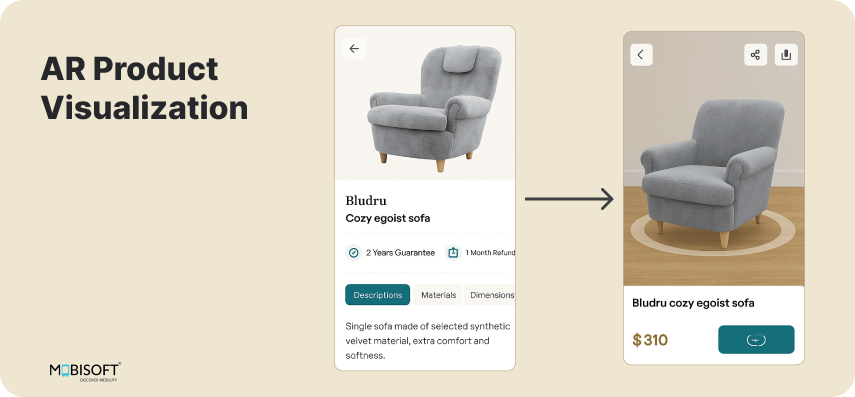
3D Product Previews and Enhanced AR Product Visualization
3D product previews in ecommerce let customers manipulate items from all angles. For example, furniture retailers let shoppers place true-to-scale models in their homes, reducing uncertainty and increasing confidence in purchase decisions.
Virtual Try-Ons for E-commerce Fashion
One of the most popular AR applications is the virtual try-on, enabling customers to see how clothing, accessories, or cosmetics will look on them before purchasing. This feature is widely used in beauty, fashion, and eyewear, reducing ambiguity and boosting customer satisfaction. Fashion retailers are also using product configurators for fashion brands to enhance customization and fit.
Immersive E-commerce Experiences with Virtual Store Showrooms
Virtual reality in e-commerce empowers brands to build branded 3D store environments. Customers can browse, interact with products, and even chat with virtual sales reps. These environments allow for AR/VR marketing strategies for ecommerce, with updated product placements, seasonal designs, and promotional offers. Brands are also leveraging the metaverse and 3D space development for e-commerce to create next generation virtual storefronts.

Increased Engagement and Dwell Time
AR/VR experiences are inherently interactive and engaging, keeping customers on websites longer. Extended dwell time correlates with higher conversion rates and increased likelihood of repeat visits.
How AR/VR Increases Online Sales and Reduces Returns
Accurate visualization and try-on features minimize post-purchase regret. Companies like IKEA and Gunner Kennels saw conversion boosts and return rate reductions after integrating AR features, proving how AR/VR increases online sales and enhances shopping satisfaction
Read More - The Ultimate Guide to AR and VR in E-commerce (with Real Examples)