Travel Portal Development: The Core of Modern Travel Tech Infrastructure
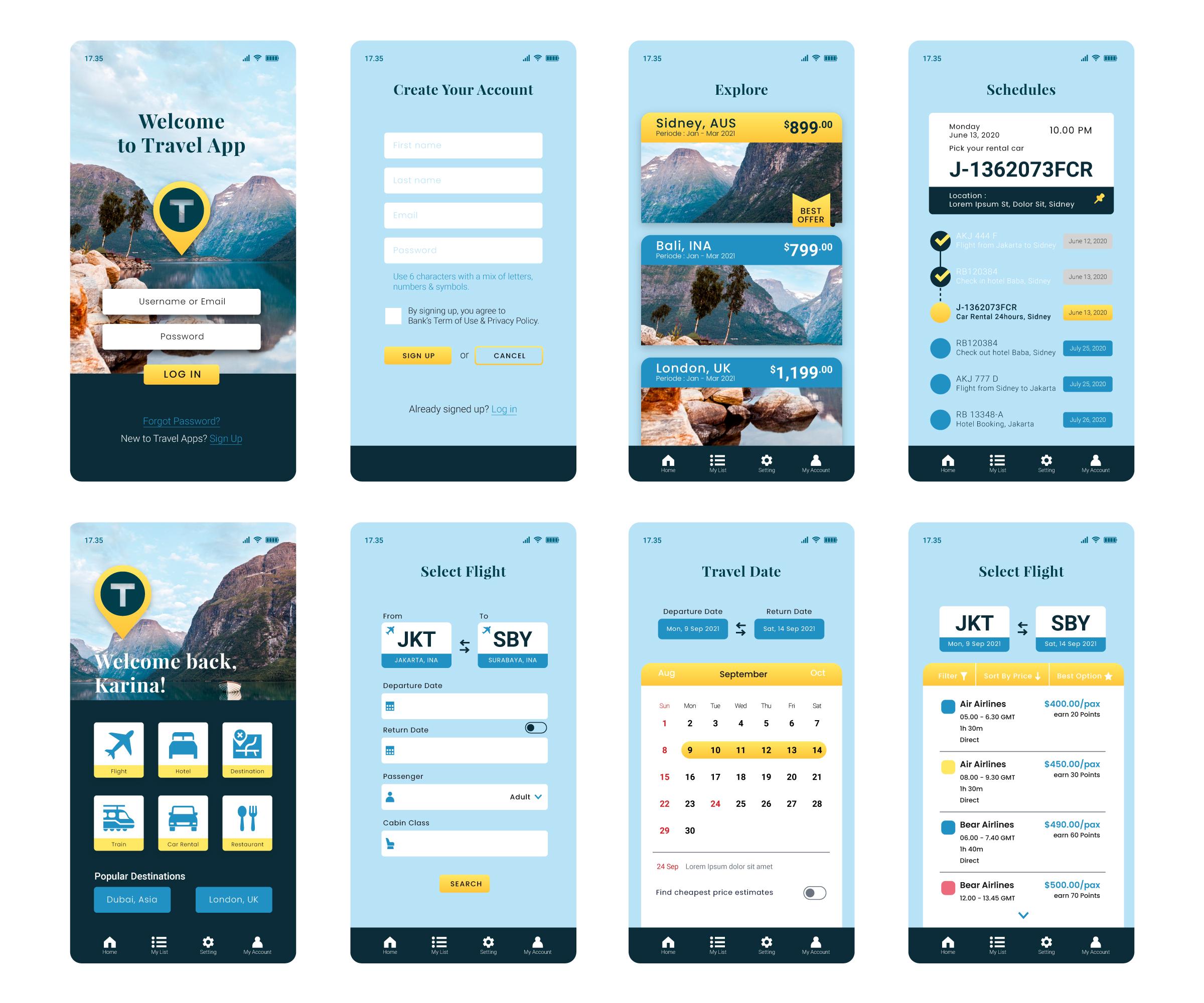
In the last ten years, the travel industry has changed significantly. Everything from physical tickets bought from providers and hotels, phone confirmations, and numerous different service providers has been replaced with a single elegant automated system. Travel portals have brought this change. They serve as a new travel technology that connects businesses and travelers to global travel systems. The fuel for all modern travel technology innovation is the travel portal, be it for startups, OTAs or traditional tour operators.
Why Travel Portals are Crucial
Traveler's needs extend far beyond a simple search query. Vacation packages take care of the complex requirements. These packages can include extra services, like activity booking. Therefore, the portal must also include resources for destination-related activities. From the perspective of a user or service provider, a travel portal provides a single access point to conveniently manage a range of travel services like booking flights, hotels, transfers, and even car rentals.
Any service or module is relevant only if hosted on scalable architecture with advanced backend systems designed for API smart pricing and dynamic resources segmentation. Moreover, with shifting user focus to B2B or B2C, design frameworks must be audience-centric.
With the help of GDS systems like Amadeus and Sabre and hotel, airline, and insurance company APIs, modern portals can fetch real-time data from multiple providers. These integrations guarantee the end user has access to the latest information, current pricing, and immediate confirmations for bookings.
Critical Parts of a Travel Portal
Effective customization of a travel portal begins with designing a host of interrelated core components such as features for customization, scalability, and a smooth flow for users.
- Booking Engines
Each subsection such as hotels, flights, and other activities, comes with a distinct booking engine. Automatic computers programmed to conduct searches in a given category restricted to a specific region, filter the outcomes, check for active offers, and book them via safe payment channels complete an online booking system (OBS).
- Multi-Module Design
For B2B, B2C, and B2B2C a travel portal includes a particular module. This means agents can access customizable dashboards with control on markups, credit line management, and white label. In turn, end users get highly responsive and interactive front-end interfaces that allow smooth and intuitive navigation with real-time booking flows.
- API/GDS Integration
An exemplary travel portal's most important characteristic has to do with its capability to connect and operate with live data from third-party vendors. APIs and GDS integration enable companies to display and offer thousands of hotels, airlines, and car rentals all on one platform without the need to manage separate inventories.
- Admin & Supplier Dashboards
Every system features an advanced admin panel that controls user roles, content, commissions, reports, refunds, and inventory management. There is also additional supplier dedicated access where these suppliers can upload and manage their services.
- Mobile Optimization
Due to the industry trends, with almost all bookings begun on mobile devices, there is need for mobile responsive design. Mobile responsive websites or dedicated mobile travel applications fosters interest, increas engagement, and greatly speeds up how fast customers converted.
The Benefits of Developing a Travel Portal
The benefits of having a fully integrated portal stretches well beyond customer satisfaction. Here is how travel companies gain from it.
Automation of Daily Activities: The processes of confirming payments and bookings, as well as updating inventories manually are now done in real-time.
Growth: Travel businesses that operate with a cloud based portal have uninterrupted speed and performance even when expanding thus it is easy to scale.
User Satisfaction Improvement: Shifting from traditional to automatic systems boosts fulfillment rates along with intuitive search features. Advanced filtering, multi-language and multi-currency options, and tailored recommendations enable users to pinpoint their requirements with higher accuracy.
Rise in Booking Rates: Users are less likely to abandon transactions due to streamlined booking processes.
Business Intelligence: Admin dashboards alongside CRM modules provide an array of reports, analytics, and behavioral tracking to enable informed decision-making.
Tailoring & Emerging Developments
Every travel business has unique attributes. That’s the reason custom development is paramount in building a travel portal. Currently, businesses are leaning towards bespoke solutions that align with corporate identity, cater to specialized travel products, and provide strategic pricing flexibility.
There is explosive growth in AI for advanced intelligent suggestions, compatibility with voice search and customer service chatbots. Machine learning algorithms are aiding businesses in analyzing customer data to forecast travel patterns, refine offers, and provide hyper-personalized services.
Also emerging is the ability to track sustainability metrics, enabling eco-friendly travelers to assess the carbon impact score and choose greener options. All this is achievable through strong, scalable, and intelligent travel technology systems designed for future enhancements.
Responsibilities of Leading Travel Portal Developers
An agile travel business can effortlessly march to the globe and put in place marketing campaigns whenever they choose, without spending a second worrying about complicated technological integration issues. Travel Business Solutions fills the gap with robust booking engines and excellent technical support. They integrate airline and hotel XMLs along with GDS services, enabling customers to control their bookings.
The travel market is highly dynamic and companies need a greater scope of development partners that, beyond booking systems, can deliver comprehensive solutions. Booking solutions require further emphasis on speed, agility, integration openness, and remote controlled scalability that allow faster target boarding and confident travel brand scaling.
A new OTA or an upgrade to your existing OTA infrastructure requires careful planning around the technology stack and the development approach. These systems serve operational efficiency while establishing competitiveness on a global scale and achieving digital excellence.
Closing Remarks
Travel Portal Development is considered standard now instead of a luxury innovation. In the world of soaring user expectations, having a portal that performs, scales, and is adaptive to customized services is imperative.
A travel portal integrates multiple resources into a single account management descriptor. Leading travel firms are shifting toward innovative approach platforms that combine technology with user experience, agility, and operations. But this effortless booking experience goes hand-in-hand with powerful systems that enable seamless, efficient, and intelligent services in the background.

Excellent overview of travel portal development! For anyone interested in developing travel app, focusing on seamless booking flows, intuitive UI, and integration with various travel services is key to building a competitive and user-friendly platform.