Selecting the Perfect Plastic Packaging Bags
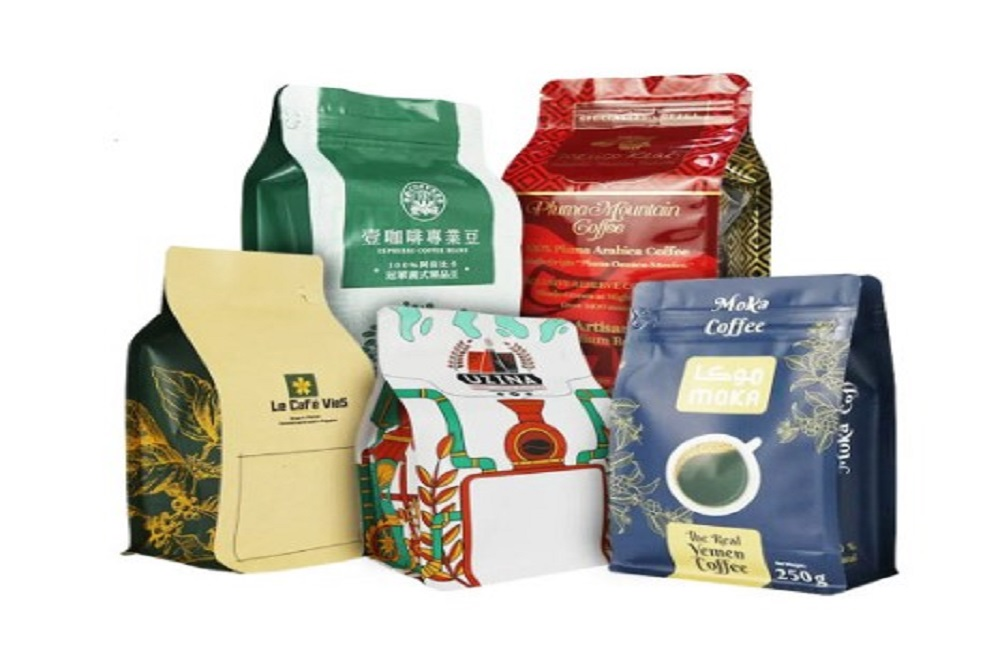
In today’s highly competitive market, the choice of plastic packaging bags can significantly influence not only the protection of a product but also how it is perceived by consumers. Packaging has evolved far beyond being a simple container; it now functions as a powerful tool for branding, marketing, and sustainability. Whether it is ensuring the freshness of food, protecting delicate items during transportation, or appealing to environmentally conscious shoppers, the type of plastic packaging chosen has far-reaching implications. Businesses must carefully evaluate materials, formats, and emerging sustainability trends to select a solution that balances practicality, aesthetics, and social responsibility.
Plastic packaging bags are designed from various polymer materials, engineered to enclose, protect, and preserve products for diverse industries. They are widely valued for their lightweight nature, durability, flexibility, and cost efficiency, making them a go-to solution across sectors ranging from food and beverages to pharmaceuticals, cosmetics, and general retail. The versatility of plastic packaging bags allows businesses to safeguard products from moisture, air, contamination, and physical damage, while also enhancing the visual appeal that captures the attention of potential buyers.
Different types of plastics are employed to meet the specific needs of products. Polyethylene terephthalate, or PET, is commonly chosen for its remarkable strength, clarity, and thermal stability. Its resilience under temperature variations makes it particularly suitable for beverage bottles, jars, and containers for food items where visibility and durability are critical. High-density polyethylene (HDPE) offers toughness and excellent moisture resistance, making it ideal for grocery bags, detergent containers, and other items that require both sturdiness and barrier properties. Polyvinyl chloride (PVC) is prized for its transparency and puncture resistance, which makes it a preferred material in applications like food wraps, blister packs, and product sleeves where the consumer wants a clear view of the item while ensuring protection. Low-density polyethylene (LDPE) is soft, flexible, and resilient, often used for bread bags; frozen food wraps, and shrinks films that require gentle handling and adaptability. Polypropylene (PP) distinguishes itself with heat resistance and structural durability, which are essential for microwaveable food containers, caps, and bottles. Polystyrene (PS) is lightweight and provides insulation, making it suitable for disposable cups, trays, and other single-use food service products.
Environmental awareness has become a driving factor in the design and production of plastic packaging bags. Increasingly, companies are under pressure from both regulatory bodies and consumers to adopt sustainable practices. Biodegradable plastics, derived from plant-based sources such as corn starch or sugarcane, are gaining popularity because they can break down more rapidly than conventional plastics when exposed to appropriate conditions. While biodegradable plastics are not a perfect solution in all scenarios, they represent a step toward reducing long-term environmental impact. Recycling programs are also improving globally, allowing used plastics to be repurposed into new products, which helps to close the loop in production and reduces reliance on virgin materials. Companies are also innovating by minimizing the volume of plastic used per package, employing thinner films, and optimizing packaging designs to maintain performance while lowering material consumption.
The food industry has been one of the largest adopters of flexible plastic packaging due to its combination of protection, convenience, and visual appeal. Stand-up pouches, for instance, have transformed the way snacks, beverages, and powdered products are displayed and sold. These pouches not only maximize shelf visibility but also provide superior barrier protection against air and moisture, helping maintain product freshness for extended periods. Resealable zip-lock bags have become essential for perishable goods, allowing consumers to maintain freshness, control portions, and store products efficiently. Vacuum-sealed bags are another staple in the food industry, particularly for meat, cheese, and coffee. By removing air from the packaging, these bags slow the growth of bacteria and oxidation, prolonging shelf life and ensuring quality. Gusseted bags, which expand to accommodate larger quantities, offer stability and capacity for bulk products such as rice, flour, grains, and pet food.
Plastic packaging bags are not limited to traditional materials; they are also being produced with sustainability at the forefront. Biodegradable films derived from renewable resources can decompose over time, significantly reducing their environmental footprint. Compostable materials, designed to break down into non-toxic elements under proper composting conditions, can return valuable nutrients to the soil, providing a full-circle solution for packaging waste. The use of recycled plastics has also gained momentum. By repurposing materials that would otherwise become waste, manufacturers reduce dependence on virgin polymers and contribute to a more sustainable circular economy. Businesses are increasingly highlighting these eco-friendly attributes in their branding, as consumers today are more informed and conscious of the environmental impact of their purchases.
Beyond food packaging, plastic bags serve essential roles in pharmaceuticals, cosmetics, and retail. Pharmaceutical packaging requires precision, hygiene, and reliability. Plastic bags in this sector must be resistant to contamination, moisture, and sometimes temperature fluctuations, ensuring that medicines reach patients safely and effectively. In cosmetics, the focus is often on aesthetics and tactile experience. High-quality, visually appealing packaging can elevate a product’s perceived value, influencing purchase decisions while maintaining protection against leaks, spills, or degradation. Retail packaging, especially for clothing, electronics, and accessories, balances presentation with practicality. Bags must be strong enough to support weight, yet flexible enough to be used efficiently in supply chains and e-commerce shipping.
The design of plastic packaging bags has also become a tool for enhancing brand identity. Clear windows, custom printing, color-coded materials, and unique shapes all contribute to a product’s recognition on crowded shelves. Packaging can tell a story about the brand, convey premium quality, and communicate environmental commitments, influencing customer loyalty and purchase intent. Some brands are experimenting with hybrid materials that combine the protective benefits of plastic with paper or other natural fibers, offering an eco-conscious aesthetic while maintaining the practical benefits of plastic.
Manufacturers have developed advanced technologies to improve plastic bag functionality. Multi-layer films, for instance, combine different polymers to optimize strength, flexibility, and barrier properties. Anti-fog coatings and UV protection can extend the shelf life of fresh produce and beverages. Heat-sealable films allow for tamper-evident packaging, providing safety and confidence to consumers. Innovations in printing and labeling have enabled high-resolution graphics, variable data printing, and QR codes that connect customers to product information or promotions, blending physical packaging with digital engagement.
Supply chain considerations also influence the selection of plastic packaging bags. Lightweight materials reduce shipping costs and lower carbon emissions, while durable designs minimize damage during transport. Efficient stacking and storage reduce warehouse space requirements, contributing to operational cost savings. In e-commerce, packaging that is easy to handle, protective, and visually appealing helps brands differentiate themselves while providing a positive unboxing experience for customers.
The role of plastic packaging bags in sustainability continues to evolve. Regulatory frameworks in regions around the world are increasingly setting standards for recyclability, compost ability, and reduced plastic consumption. Consumers are actively seeking products with sustainable packaging, creating market pressure for companies to innovate and adapt. Some businesses have adopted take-back programs, encouraging customers to return used packaging for recycling, while others incorporate post-consumer recycled content into their products, closing the loop in plastic production. Collaborative industry initiatives are emerging to standardize materials and improve recycling infrastructure, helping to address challenges such as contamination and limited end-of-life options for plastics.
Choosing the right plastic packaging bag is therefore a multi-faceted decision that combines material science, design innovation, operational efficiency, and environmental responsibility. Businesses must weigh durability against flexibility, clarity against barrier performance, cost against sustainability, and aesthetics against functionality. By understanding the characteristics of different plastics, the benefits of flexible packaging formats, and the importance of eco-friendly solutions, companies can make informed decisions that protect their products, enhance brand value, and meet consumer expectations. Get more info about China flexible packaging factory.
Plastic packaging bags are far more than simple containers. They are an essential part of product strategy, impacting protection, presentation, logistics, and sustainability. Advances in materials, design, and recycling technology have created opportunities for businesses to offer high-performance, visually appealing, and environmentally responsible packaging. Flexible options like stand-up pouches, resealable bags, and vacuum-sealed packaging provide convenience and extended shelf life, while innovations in biodegradable, compostable, and recycled materials demonstrate a commitment to environmental stewardship. As consumer awareness grows and regulations evolve, selecting the perfect plastic packaging bag requires careful consideration of material properties, design, sustainability, and brand alignment, ensuring that products not only reach customers safely but also leave a positive, lasting impression.
Below are 5 related China flexible packaging products:
1. Custom printed flat bottom coffee packaging bag wholesale
Custom printed flat bottom coffee packaging bags wholesale offer coffee brands a combination of functionality, aesthetics, and cost-efficiency. These bags are designed with a sturdy, flat base that allows them to stand upright on shelves, enhancing visibility and presentation. By opting for wholesale quantities, businesses can access high-quality packaging at competitive rates, making it ideal for cafés, roasters, and specialty coffee producers.
The customizable printing options allow for full-color branding, including logos, product information, and decorative designs, ensuring that each bag reflects the identity and story of the brand. These bags are often made from food-grade materials that provide a reliable barrier against moisture, oxygen, and light, preserving the aroma and freshness of coffee beans or ground coffee for longer periods. Many feature resealable zippers or valve options to further maintain quality while offering convenience to consumers.
Wholesale availability ensures consistent supply for small or large-scale production, and working with manufacturers who offer customization allows businesses to create unique packaging that stands out in a competitive market. Overall, custom printed flat bottom coffee packaging bags combine durability, visual appeal, and practicality, making them a preferred choice for coffee brands seeking a professional and functional packaging solution.
2. Custom Frozen Seafood Packaging Bag Fish Pouch Shrimp Package
The Custom Frozen Seafood Packaging Bag is specifically designed to meet the unique needs of storing and transporting fish, shrimp, and other frozen seafood. Crafted from high-quality, food-grade materials, the bag ensures that the seafood stays fresh, flavorful, and protected from freezer burn. Its sturdy construction resists punctures, tears, and moisture, making it reliable for both commercial and household use. The pouch is designed for vacuum sealing or airtight closure, which helps extend shelf life and maintain the original texture and taste of the seafood. Transparent sections allow easy identification of contents, while custom printing options enable branding and labeling for retail purposes. Flexible yet strong, the bag accommodates various sizes and types of seafood without compromising the integrity of the seal. Its convenience makes it suitable for fish markets, seafood processing plants, restaurants, and home freezers alike. The material is safe, hygienic, and compliant with food safety standards, ensuring that every portion of seafood remains protected during storage or shipment. By combining durability, practicality, and presentation, the Custom Frozen Seafood Packaging Bag offers a reliable and professional solution for keeping frozen fish and shrimp fresh and market-ready.3. Custom Frozen Food Packaging Bags for Seafood Meat Fruit Nylon Materials
Custom Frozen Food Packaging Bags made from high-quality nylon materials are designed to keep seafood, meat, and fruit fresh while providing reliable protection during storage and transportation. The nylon construction offers excellent strength, puncture resistance, and barrier properties, effectively preventing moisture, air, and odors from affecting the contents. These bags are ideal for vacuum sealing, ensuring airtight storage that significantly extends shelf life and maintains the natural taste, texture, and nutritional quality of food. Their flexible design accommodates a wide range of products, from delicate seafood to robust cuts of meat or fresh fruits, without compromising the seal. The clear surface allows for easy identification and presentation, making them suitable for retail, commercial, and household use. Customization options, including printed logos or labels, make these bags perfect for branding or product information. Safe, hygienic, and compliant with food-grade standards, the bags provide peace of mind for both producers and consumers. Whether used in seafood markets, meat processing plants, fruit packaging facilities, or home freezers, these nylon frozen food packaging bags combine practicality, durability, and convenience, ensuring that perishable items remain protected, fresh, and visually appealing from storage to consumption.
4. Nylon Seafood Packaging Bag -18°C Frozen Food Package Supplier
The Nylon Seafood Packaging Bag is specially designed for frozen food storage, capable of maintaining the quality of seafood at temperatures as low as -18°C. Made from durable, high-quality nylon material, the bag provides excellent protection against moisture, air, and freezer burn, ensuring that fish, shrimp, and other seafood retain their freshness, flavor, and texture. Its strong and puncture-resistant structure makes it ideal for both commercial and household use, withstanding the rigors of freezing, transportation, and handling. The bag is compatible with vacuum sealing or airtight storage methods, helping to extend shelf life and reduce food waste. Transparent sections allow for easy identification of contents, while customization options, including branding and labeling, make it a professional choice for seafood suppliers, markets, and restaurants. Food-safe and hygienic, the bag meets industry standards for frozen food packaging, giving confidence to both suppliers and consumers. Lightweight yet robust, it adapts to different product sizes without compromising the seal, making it a practical and reliable solution for frozen seafood packaging. With its combination of durability, functionality, and protection, this Nylon Seafood Packaging Bag is an essential choice for any frozen food supply chain.
5. Sausage Packaging Film Vacuum Frozen Food Packaging Bag Supplier
The Sausage Packaging Film is designed to provide reliable vacuum-sealed storage for frozen foods, ensuring that sausages and other perishable products remain fresh, flavorful, and protected during storage and transport. Made from high-quality, food-grade materials, the film offers excellent barrier properties against moisture, air, and odors, preventing freezer burn and preserving the original taste and texture of the food. Its strong, puncture-resistant structure withstands handling, freezing, and shipping, making it suitable for both commercial and household use. The film is compatible with most vacuum sealing machines, allowing airtight sealing that extends shelf life and reduces waste. Transparent surfaces make it easy to monitor contents, while customization options such as branding or labeling help businesses present products professionally. Safe and hygienic, the packaging film meets food safety standards, ensuring that every portion of sausage or other frozen foods remains protected. Flexible and easy to handle, it adapts to different shapes and sizes of products without compromising the seal, making it a practical solution for butchers, food processors, restaurants, and home users alike. This Sausage Packaging Film combines durability, convenience, and effective preservation for high-quality frozen food storage.
Choosing plastic packaging bags correctly means balancing protection, functionality, cost, and sustainability. By understanding material types, packaging formats, and eco-friendly alternatives, businesses can make informed decisions that protect their products and strengthen their brand image. As demand for sustainable Food packaging continues to grow, selecting the right solution today also helps build a more responsible and future-ready business.