The Future of Biodegradable and Compostable Packaging Materials
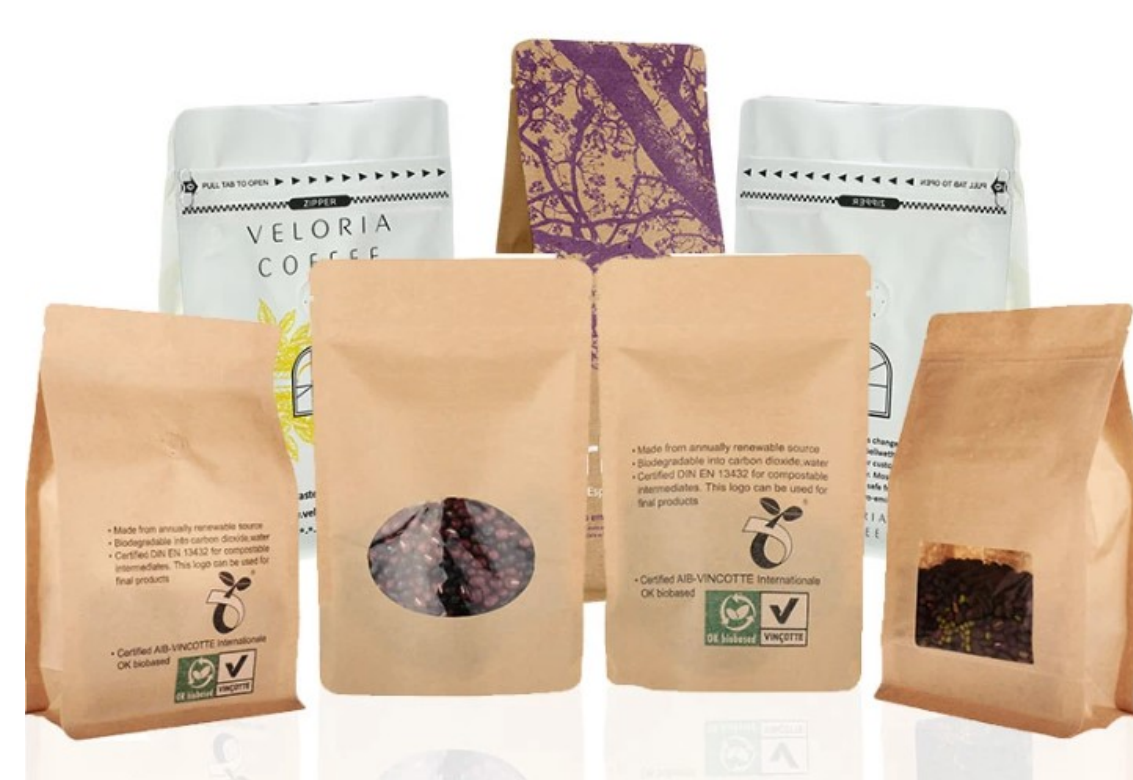
In recent years, the conversation surrounding packaging has shifted dramatically, moving from convenience and cost considerations toward environmental responsibility and sustainability. Among the most promising developments in this area is the rise of biodegradable and compostable packaging materials, which have emerged as innovative solutions to the persistent problem of packaging waste. Unlike conventional plastics, which linger in landfills and ecosystems for centuries, biodegradbale packaging bags is designed to break down naturally, returning nutrients to the soil while minimizing harmful environmental impacts. Compostable packaging takes this one step further, decomposing fully into nutrient-rich compost that enhances soil fertility. Together, these packaging solutions provide a pathway toward achieving zero-waste objectives and mitigating the environmental harm traditionally associated with packaging.
The environmental impact of conventional plastics is a well-documented concern. Plastics have become ubiquitous in modern society due to their versatility, durability, and low cost. Yet, these same characteristics that make plastics desirable also contribute to their persistence in the environment. Non-biodegradable plastics accumulate in landfills, oceans, rivers, and terrestrial ecosystems, causing extensive damage to wildlife and the balance of natural habitats. Aquatic species often ingest plastic particles, mistaking them for food, which can result in injury, starvation, and death. Micro plastics, tiny fragments that result from the breakdown of larger plastic items, permeate water systems and eventually enter the human food chain. By contrast, biodegradable and compostable packaging, typically derived from biopolymers or plant-based materials, addresses these environmental hazards by decomposing in a controlled and environmentally friendly manner. These materials not only reduce pollution but also support sustainable waste management strategies and contribute to the global shift toward a more circular economy.
Biodegradability and compost ability are often discussed in tandem, though they refer to distinct processes. Biodegradability describes a material’s ability to decompose naturally through the action of microorganisms, eventually converting into harmless organic matter such as carbon dioxide, water, and biomass. Compost ability is a subset of biodegradability that emphasizes the transformation of materials into nutrient-rich compost suitable for soil enrichment. In practical terms, biodegradable packaging breaks down into basic organic elements over time, while compostable packaging actively contributes to the fertility of the environment by returning nutrients to the ground. Utilizing such materials can significantly reduce the environmental burden caused by traditional plastics, particularly in mitigating soil contamination and water pollution. In this sense, biodegradable and compostable packaging aligns closely with zero-waste management principles, serving as essential building blocks in the creation of a greener, more sustainable packaging ecosystem.
The distinction between biodegradable and non-biodegradable materials is stark. Conventional plastics, derived primarily from petroleum, can take hundreds of years to degrade and often produce microplastics and chemical residues as they break down. Biodegradable materials, on the other hand, are engineered to decompose in months rather than centuries, leaving no harmful residue behind. This fundamental difference has profound implications for environmental preservation. By integrating biodegradable plastics and biopolymer-based packaging into supply chains, companies can significantly reduce waste accumulation, decrease pollution levels, and support a healthier balance in natural ecosystems. Compostable packaging amplifies these benefits by enriching soil, enhancing agricultural productivity, and contributing to broader sustainability goals.
Biopolymers form the foundation of most biodegradable and compostable packaging solutions. These polymers, derived from renewable sources such as starches, cellulose, polylactic acid (PLA), and other plant-based materials, inherently possess the ability to degrade over time. The utilization of biopolymers in packaging represents a strategic shift toward materials that are both functional and environmentally responsible. Biopolymer-based packaging offers comparable strength and durability to conventional plastics while ensuring that products can be safely returned to the environment after use. This alignment with environmental objectives makes biopolymers a cornerstone in the development of sustainable packaging solutions.
Degradable plastics, while sometimes less familiar to consumers, also play a key role in the transition toward eco-friendly packaging. These plastics are designed to break down faster than traditional plastics, often through chemical, physical, or microbial processes. Compostable plastics, a subset of degradable plastics, return nutrients to the soil and support the principles of sustainable waste management. Oxo-degradable plastics, though not fully compostable, can fragment more quickly than conventional plastics in certain conditions, providing an intermediate step toward improved environmental performance. The application of these materials in packaging not only reduces landfill accumulation but also mitigates pollution, particularly in water systems where conventional plastics pose significant hazards.
The environmental impact of traditional plastics extends beyond landfills, encompassing widespread ecological degradation and water pollution. Non-biodegradable plastics persist in the environment, interfering with natural cycles and threatening biodiversity. Aquatic ecosystems are particularly vulnerable, as plastics accumulate in oceans, rivers, and lakes, disrupting food chains and harming marine life. Biodegradable and compostable packaging offers a tangible solution by decomposing naturally and reducing the prevalence of persistent plastic waste. Compostable packaging, in particular, provides the additional benefit of enriching soils, supporting agriculture, and contributing positively to local ecosystems. By replacing conventional plastics with biodegradable alternatives, society can make meaningful progress in addressing the ecological challenges associated with waste accumulation and pollution.
Water pollution from plastic waste represents one of the most urgent environmental concerns. Non-biodegradable plastics in water bodies degrade slowly into micro plastics, which are then consumed by aquatic organisms. These micro plastics accumulate along the food chain, ultimately affecting human health. Biodegradable and compostable packaging, derived from biopolymers and other eco-friendly materials, significantly reduces these risks. By breaking down safely in soil and water, such packaging prevents the accumulation of harmful particles, protects aquatic ecosystems, and promotes cleaner water systems. Adoption of these materials is an essential step in safeguarding both environmental and human health, supporting the sustainable management of natural resources.
Sustainable and eco-friendly packaging is increasingly recognized as a critical factor in contemporary industry practices. Organizations that prioritize environmentally responsible packaging not only reduce ecological damage but also demonstrate corporate social responsibility, aligning with evolving consumer expectations and regulatory requirements. Sustainable packaging avoids the use of non-degradable plastics and emphasizes materials that can be safely returned to the environment or reused multiple times. Biopolymers, biodegradable plastics, and compostable materials all contribute to this goal, supporting the creation of closed-loop systems where waste is minimized and resources are conserved. By adopting such packaging solutions, businesses reinforce their commitment to sustainability, reduce environmental risks, and strengthen brand reputation.
A wide range of materials exemplifies eco-friendly packaging. Biodegradable plastics such as PLA, PHA, and starch-based polymers decompose naturally into harmless compounds under appropriate conditions. Paper, cardboard, and cellulose-based products also provide sustainable alternatives, offering compostable solutions that enrich soil while fulfilling functional packaging requirements. Reusable materials, including glass and metal, further enhance sustainability by reducing the need for single-use packaging. Collectively, these materials support zero-waste strategies and minimize the environmental footprint of packaging, particularly in relation to water and soil ecosystems. Their use encourages responsible consumption, reduces waste accumulation, and aligns with global sustainability objectives.
The zero-waste movement, closely linked with biodegradable and compostable packaging, promotes the elimination of waste through reduction, recycling, and composting. The movement emphasizes materials that naturally decompose and encourages the creation of systems in which no waste is incinerated or sent to landfills. Biodegradable plastics and biopolymer-based packaging play a pivotal role in this vision, offering practical, scalable solutions for reducing pollution and resource consumption. By integrating these materials into everyday packaging, organizations contribute to broader environmental stewardship while fostering a culture of responsible consumption and disposal. The principles of zero waste also underscore the importance of systemic approaches to waste management, combining eco-friendly materials with education, infrastructure, and policy support to achieve meaningful environmental outcomes.
Despite the clear benefits, the widespread adoption of biodegradable and compostable packaging faces several challenges. One major obstacle is public perception and awareness. Many consumers remain unfamiliar with the distinctions between biodegradable, compostable, and conventional plastics, leading to confusion about proper disposal and the environmental benefits of these materials. Misconceptions about durability and performance may also hinder acceptance, as some believe that biodegradable packaging is less effective than traditional alternatives. Additionally, regulatory frameworks and testing protocols vary across regions, creating complexity for manufacturers seeking to standardize their products globally. Production costs remain another barrier, as biopolymers and compostable materials often require more advanced manufacturing processes, specialized equipment, and raw materials that are more expensive than conventional plastics. Overcoming these challenges is critical to mainstreaming sustainable packaging solutions.
Despite these challenges, the future of biodegradable and compostable packaging is promising. Technological advancements are enhancing the performance, cost-effectiveness, and environmental credentials of biopolymer materials. Research is focused on developing biopolymers that combine the strength, durability, and versatility of traditional plastics with the benefits of full biodegradability. Innovations include the use of nanotechnology to improve material performance, new formulations that accelerate decomposition in natural environments, and improved composting infrastructure to facilitate widespread adoption. These developments enable packaging solutions that are not only environmentally responsible but also commercially viable, bridging the gap between sustainability and functional performance.
Biodegradable packaging is also highly adaptable to changing environmental conditions and evolving consumer expectations. By providing a solution that decomposes safely and contributes positively to the ecosystem, such packaging supports the resilience of supply chains and aligns with long-term sustainability goals. Increased consumer awareness, regulatory pressure, and corporate responsibility initiatives are further driving demand for biopolymer-based solutions. As awareness of environmental issues continues to grow, the integration of biodegradable and compostable packaging into product design, production, and distribution strategies will become increasingly standard. This transition will play a critical role in achieving sustainable economies, reducing environmental pollution, and mitigating the impacts of packaging waste on water and soil systems. Get more info about flexible packaging bags.
Here is some of the best flexible packaging from China available online:
1. Compostable Pouches
Compostable pouches represent a significant shift in flexible packaging, designed to break down into nutrient-rich biomass under specific environmental conditions. Unlike traditional plastics that persist for centuries, these pouches are engineered from renewable, plant-based resins such as PLA (Polylactic Acid) derived from corn starch, PHA (Polyhydroxyalkanoate) produced by microbial fermentation, or cellulose from sustainably managed forests. As of 2026, the primary technical goal of compostable packaging is to match the oxygen and moisture barrier performance of fossil-fuel-based films while ensuring the material can be processed by industrial composting facilities or, in advanced cases, home compost bins.A professional compostable solution typically utilizes a multi-layer structure where each component—including the adhesive, the ink, and the zipper—is certified compostable. For dry goods like tea, granola, or snacks, these pouches often feature a metallized cellulose layer that provides the necessary protection against UV light and oxygen without using aluminum. To be considered authentic, these pouches must meet international standards such as ASTM D6400 in the United States or EN 13432 in Europe, which guarantee that the material will disintegrate and biodegrade within a set timeframe in an industrial composting environment.
One of the most critical considerations for brands adopting compostable pouches is the distinction between Industrial Composting and Home Composting. Industrial-grade pouches require the high heat and controlled microbial activity of commercial facilities to break down, whereas home-compostable versions are formulated to degrade at lower temperatures in a garden bin. While these materials are becoming more robust, they generally have a shorter shelf life than traditional plastics, making them ideal for products with a faster turnover. By choosing compostable formats, brands can actively reduce their reliance on petroleum-based polymers and offer consumers a clear end-of-life path that supports soil health rather than landfill growth.
2. Compostable Flat Bottom Pouch
Compostable flat bottom pouches, often referred to as box pouches, represent a premium intersection of architectural stability and environmental responsibility. Unlike standard stand-up pouches, the flat bottom design utilizes a rectangular base and four vertical gussets, creating a box-like structure that offers 360-degree shelf presence and up to 30% more filling volume for the same amount of material. In 2026, these pouches are engineered with a multi-layer compostable laminate that mirrors the high-barrier performance of traditional plastics, typically combining an outer layer of FSC-certified Kraft paper or BOPLA (Biaxially Oriented Polylactic Acid) with an internal barrier of metallized cellulose.The technical superiority of the flat bottom format lies in its eight heat-sealed seams, which provide exceptional structural integrity for heavy or granular products like specialty coffee, organic pet treats, and premium granola. To maintain freshness, these pouches can be equipped with fully compostable components, including one-way degassing valves and press-to-close zippers made from PHA or PBS (Polybutylene Succinate). These components are designed to withstand the weight of the product while ensuring that the entire unit meets global compostability standards such as EN 13432 or ASTM D6400.
Efficiency in 2026 also focuses on the distinction between industrial and home compostability. While industrial-grade pouches are optimized for high-volume commercial facilities, home-compostable flat bottom pouches utilize more sensitive bio-polymers derived from cassava root or eucalyptus, allowing them to break down in ambient backyard temperatures within 26 to 52 weeks. By providing five distinct panels for branding—front, back, two sides, and the bottom—this packaging solution maximizes "billboard space" for marketing and regulatory information, all while utilizing a lightweight, flexible format that reduces transportation emissions compared to rigid glass or plastic containers.
3. Compostable Lay Flat Pouch
Compostable lay flat pouches, also known as pillow pouches or three-side seal bags, are a space-efficient packaging solution designed for products with a fast turnover or single-serve applications. Unlike stand-up versions, lay flat pouches do not have a bottom gusset, allowing them to stack densely during transport and maximize warehouse storage. As of 2026, these pouches are primarily constructed from plant-based polymers such as PLA (Polylactic Acid), PBAT, or cellulose, which are engineered to return to the earth as nutrient-rich biomass rather than persisting as microplastics.The technical performance of a compostable lay flat pouch is defined by its multi-layer bio-laminate, which provides a functional barrier against moisture and oxygen. For dry snacks, spices, or powdered supplements, manufacturers often use a metallized cellulose layer that offers high-barrier protection without the use of traditional aluminum foil. These pouches are designed to meet rigorous global standards, such as ASTM D6400 or EN 13432, ensuring they fully disintegrate in industrial composting facilities within 180 days. Much modern iteration are also certified for Home Composting, utilizing more sensitive materials like eucalyptus-derived fibers that break down at the lower temperatures found in backyard compost bins.
4. Industrial Compostable Pouches
Industrial compostable pouches are an environmentally responsible packaging solution designed to meet the growing demand for sustainable and eco-friendly products. Unlike conventional plastic pouches, these pouches are made from materials that can break down in industrial composting facilities under controlled conditions, turning into organic matter without leaving harmful residues. They are widely used for food items, beverages, snacks, coffee, tea, and other consumer goods, providing protection against moisture, oxygen, and contaminants while maintaining product freshness and quality.
Many industrial compostable pouches feature resealable closures, tear notches, or spouts, adding convenience for consumers and allowing for repeated use before disposal. For brands, these pouches provide a platform for high-quality printing, enabling logos, product information, and creative designs that enhance shelf appeal and strengthen brand identity. They are also lightweight and flexible, reducing shipping and storage costs compared to rigid packaging. By choosing industrial compostable pouches, businesses can demonstrate a commitment to sustainability, appeal to eco-conscious consumers, and comply with increasing environmental regulations. Overall, these pouches offer a practical, protective, and responsible packaging solution that balances functionality, aesthetics, and environmental stewardship.
5. Home Compostable Pouches
Home compostable pouches are an innovative and eco-friendly packaging solution designed for consumers who want to reduce their environmental impact. Unlike conventional plastic packaging, these pouches are made from materials that can safely break down in home composting environments, turning into organic matter without leaving harmful residues. They are commonly used for food items, snacks, beverages, coffee, tea, and other consumer products, providing protection against moisture, air, and contaminants while keeping the contents fresh and safe. Many home compostable pouches feature resealable zippers, spouts, or tear notches, offering convenience for repeated use and maintaining product quality after opening.For brands, these pouches allow high-quality printing directly on the surface, enabling attractive designs, logos, and product information that enhance shelf appeal and strengthen brand identity. Additionally, their lightweight and flexible nature reduces storage and shipping costs compared to rigid packaging, making them efficient for both manufacturers and retailers. By adopting home compostable pouches, businesses can demonstrate a commitment to sustainability, appeal to environmentally conscious consumers, and align with growing trends toward responsible packaging. Overall, home compostable pouches provide a practical, protective, and environmentally friendly solution that combines functionality, convenience, and eco-conscious design.
In conclusion, biodegradable and compostable packaging represents a transformative approach to waste management, environmental protection, and sustainable business practices. By replacing conventional plastics with materials derived from biopolymers and other renewable resources, packaging can be designed to decompose naturally, reduce pollution, and contribute to soil enrichment through composting. The adoption of these materials supports the zero-waste movement, reduces water and soil pollution, and promotes responsible consumption and disposal practices. While challenges related to public awareness, cost, and regulatory consistency remain, ongoing innovations in material science and manufacturing are paving the way for broader adoption. Biodegradable packaging not only addresses current environmental concerns but also positions organizations to thrive in a future defined by sustainability, ecological responsibility, and consumer demand for environmentally conscious products. Through continuous improvement, collaboration, and technological advancement, biodegradbale packaging bags and compostable packaging has the potential to redefine the global packaging landscape, fostering a cleaner, healthier, and more sustainable w