How to Improve Reaction Time
Reaction Time plays an important role in competitive gaming, sports, and many everyday activities. The speed at which you recognize information and respond to it can influence performance, decision-making, and overall efficiency. Whether you're aiming for better gaming results, improving athletic performance, or simply testing your reflexes, understanding and improving your response speed can provide a noticeable advantage.
One of the easiest ways to measure and track your performance is by using a reaction time. These online tools provide instant feedback and help you monitor progress over time. By practicing regularly and developing healthy habits, you can gradually improve your reflexes, sharpen your focus, and achieve more consistent results in activities that require quick responses.
What Is the Reaction Time Test?
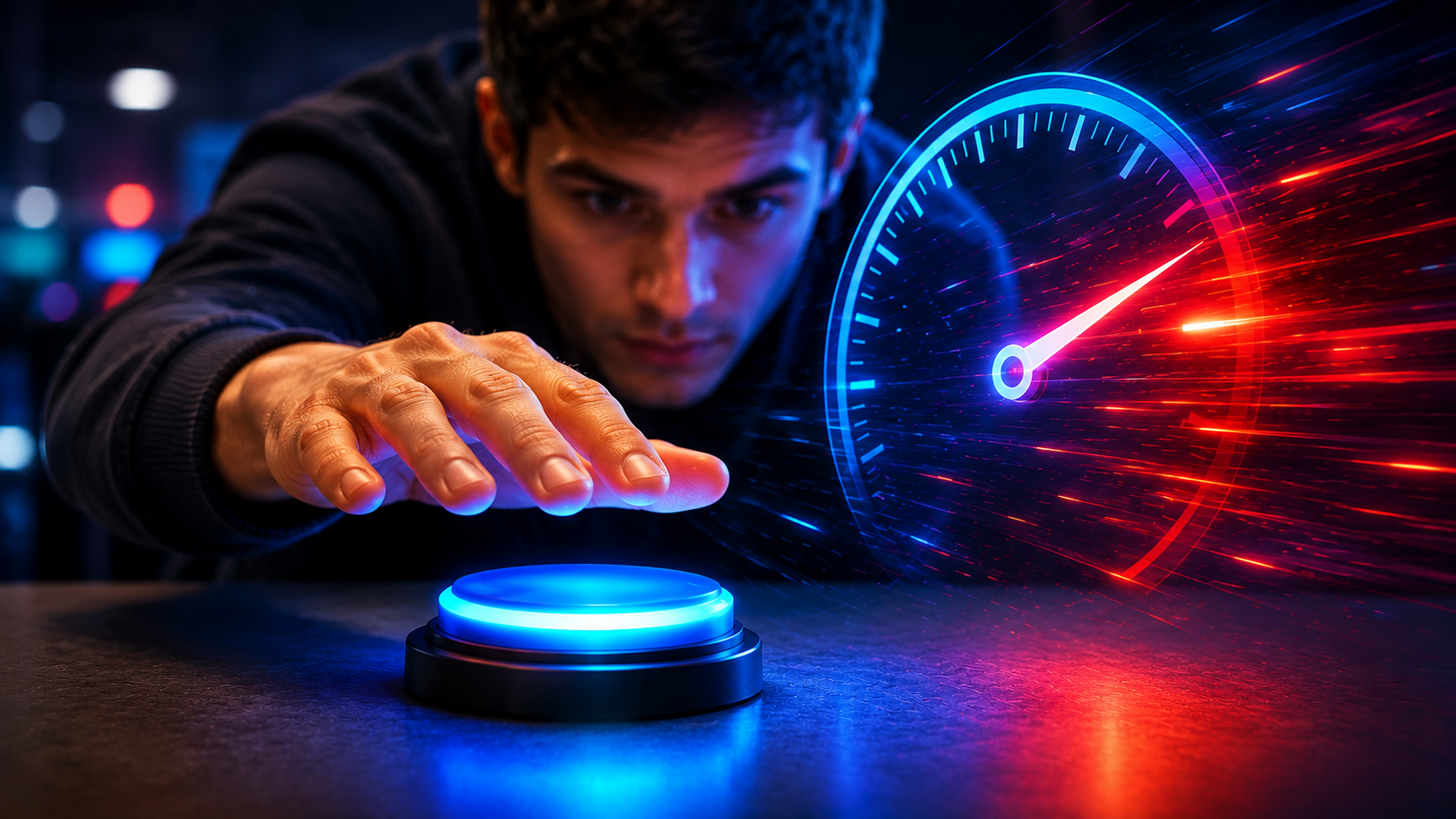
A Reaction Test is a simple tool designed to measure how quickly you respond to a visual signal. Most online versions work by displaying a color change or other visual cue on the screen. Once the signal appears, you click as fast as possible, and the result is displayed in milliseconds.
The score reflects the time it takes for your brain to recognize the signal and send instructions to your hand. Because performance can vary slightly from one attempt to another, it is usually recommended to complete several rounds and calculate an average score.
These tests have become popular among gamers, athletes, and anyone interested in improving their reflexes. They are easy to use, require no special equipment, and can be completed in just a few minutes.
Why Is Reaction Time Important?
Every action begins with information. Your eyes, ears, or other senses detect something happening around you, your brain processes that information, and your body responds. The speed of this entire process influences performance in many activities.
For gamers, quick responses can improve aiming, movement, and decision-making during fast-paced matches. In sports, being able to react faster can help athletes track opponents, intercept passes, or adjust to changing situations. Even outside competition, quick reflexes are useful for tasks such as driving, cycling, and avoiding unexpected hazards.
A faster response speed doesn't just depend on physical movement. Mental focus, concentration, and decision-making all contribute to how efficiently you respond. That's why improving overall cognitive performance often leads to better results.
What Is Considered a Good Reaction Time?
Average scores vary from person to person. Age, experience, sleep quality, and testing conditions can all influence performance. For visual stimuli, most adults record results around 250 milliseconds. People who regularly play competitive games or participate in sports often achieve faster scores. Highly trained individuals may consistently score below 200 milliseconds.
However, comparing yourself to others is not always the best approach. A more useful goal is to improve your own average over time. Even small improvements can have a noticeable impact on gaming performance, athletic ability, and overall responsiveness.
Instead of focusing on a single impressive score, pay attention to consistency. Reliable results often indicate genuine improvement rather than lucky timing.
How to Improve Reaction Time
Practice Consistently
Like any skill, reflexes improve with practice. Spending a few minutes each day on exercises that require quick responses helps train the brain to process information more efficiently.
Many people use a reaction test as part of their daily routine. Regular exposure to visual cues strengthens neural pathways, making responses feel faster and more automatic over time.
Focus on Accuracy Before Speed
A common mistake is trying to anticipate the signal before it appears. While this may occasionally produce a low score, it does not improve genuine response speed.
Instead, concentrate on reacting accurately. Building reliable habits helps develop true reflexes rather than encouraging guesswork. Once accuracy improves, speed usually follows naturally.
Get Enough Sleep
Sleep has a major influence on brain performance. When you're tired, concentration decreases, decision-making becomes slower, and reflexes suffer.
Most adults benefit from seven to nine hours of quality sleep each night. Proper rest allows the brain to recover and process information more efficiently, which can lead to noticeable improvements in responsiveness.
If you've ever noticed slower performance after a late night, you've already experienced the effects of sleep deprivation on cognitive function.
Improve Your Physical Fitness
Physical activity supports both mental and physical performance. Regular exercise improves circulation, coordination, and nervous system efficiency.
Activities such as running, cycling, swimming, and agility drills help strengthen the connection between the brain and muscles. Better communication between these systems often leads to quicker and more controlled movements.
Athletes frequently include reflex-based exercises in their training because physical conditioning and responsiveness are closely linked.
Stay Hydrated
Hydration is often overlooked when discussing performance. The brain relies on proper hydration to maintain focus and process information effectively. Even mild dehydration can affect concentration, attention span, and decision-making.
Drinking enough water throughout the day helps support cognitive function and keeps your mind operating at its best. While hydration alone won't transform your reflexes overnight, it contributes to more consistent performance.
Reduce Distractions
Focus is essential when training reflexes. Background noise, phone notifications, and multitasking can divide your attention and reduce performance.
Creating a distraction-free environment allows you to concentrate fully on the task at hand. This leads to more accurate measurements and better-quality practice sessions.
Many people are surprised by how much their scores improve simply by eliminating unnecessary distractions.
Warm Up Before Testing
Professional athletes rarely perform at their best without a warm-up, and the same principle applies to reflex training.
Completing a few practice attempts before recording results helps prepare the brain and muscles for quick responses. Many gamers use short warm-up sessions before competitive matches because it helps them feel more responsive and focused.
Train Hand-Eye Coordination
Quick responses rely heavily on strong hand-eye coordination. Activities that require visual recognition followed by immediate movement can strengthen this connection.
Some effective examples include:
Aim training exercises
Fast-paced action games
Ball sports
Reflex drills
Coordination challenges
These activities encourage the brain to process visual information faster and translate it into accurate movements.
Manage Stress
Stress affects focus, concentration, and mental processing. When the mind is overloaded, it becomes harder to respond quickly and make effective decisions.
Practices such as meditation, controlled breathing, and regular exercise can help reduce stress levels. A calm and focused mind is often better equipped to handle fast-paced situations. Research has shown that mindfulness and meditation may support better focus and stress management.
Track Your Progress
One of the best ways to stay motivated is to monitor your results over time. Keep a record of your average scores and look for long-term improvements rather than daily fluctuations.
Progress may seem slow at first, but small gains can accumulate into significant improvements over weeks and months. Tracking results also helps identify which habits and training methods are producing the best outcomes.
Final Thoughts
Improving your reflexes and response speed is a gradual process that requires patience and consistency. There is no shortcut, but the combination of regular practice, quality sleep, physical activity, hydration, and focused training can produce meaningful results over time.
A Reaction Test provides a simple way to measure progress and stay motivated throughout the process. Whether you're a gamer looking for a competitive edge, an athlete seeking better performance, or simply someone interested in sharpening reflexes, small daily improvements can lead to noticeable gains.