How Hair Loss Affects Confidence Among Professionals
Professionals often work in spaces where appearance carries silent weight. Meetings, presentations, video calls, and daily interactions shape how people feel about themselves. When hair begins to thin or fall, the shift touches more than looks. It reaches confidence, focus, and how someone steps into their role each day. Hair loss may seem like a small physical change, yet for many working adults, it becomes a steady mental load that influences how they perform.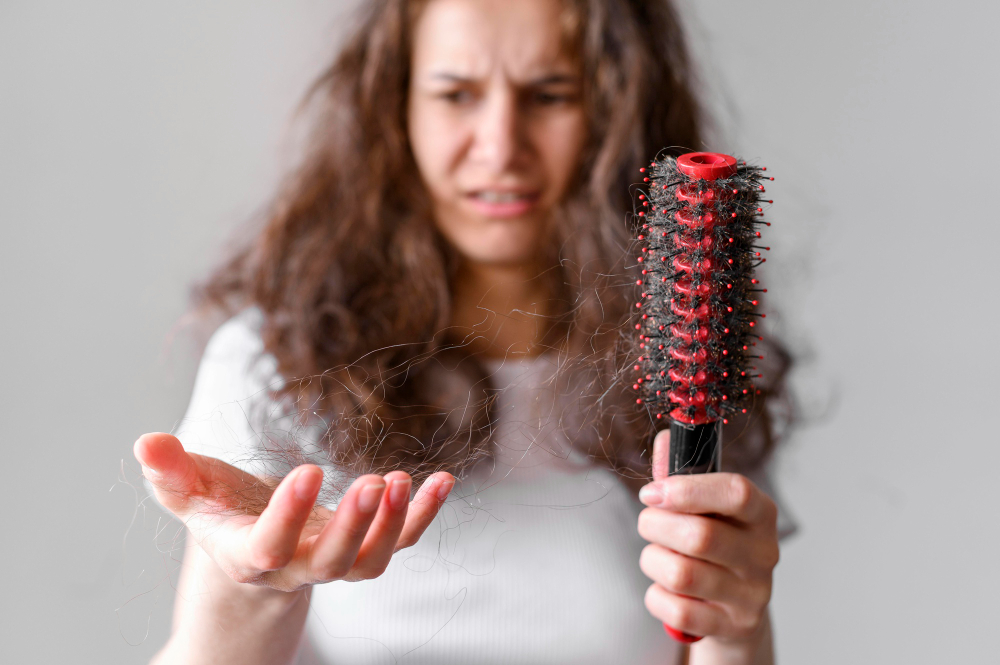
The First Signs That Disrupt Composure at Work
Hair loss rarely starts with a dramatic moment. It begins with small clues—extra strands on the desk, a lighter patch in the mirror before heading out, or a hairline that feels different. These early signs hit hard when someone works in a competitive field. Professionals who once felt secure suddenly fear how the change may be seen by colleagues or clients. The shift interrupts their morning routine and pushes them into quiet worry before the workday even starts.
Pressure From Public-Facing Roles
Some jobs place people directly in the spotlight. Sales teams, managers, executives, consultants, and trainers often stand in front of groups or cameras. They carry expectations to appear sharp and confident. When hair loss sets in, they may feel exposed under bright office lights or during presentations. Confidence wavers as they become more aware of how they look from the side or under overhead lighting. The mind splits between the message they want to convey and the fear of being judged.
Impact on Video Meetings and Digital Presence
Remote work brought a new stage where appearance sits under constant watch: the laptop camera. Professionals with thinning hair often angle the camera low, reduce brightness, or fix their hair repeatedly before joining a call. These habits seem minor, yet they drain mental energy. Instead of focusing on strategy or communication, the mind burns time on avoiding certain angles. Digital presence becomes another space where insecurity grows.
Changes in Workplace Behavior
Hair loss can shift how people move through the office. Some avoid walking near bright windows. Others limit face-to-face interaction to keep people from noticing thinning spots. A few even adjust seating positions during meetings. Such decisions accumulate throughout the day and weaken confidence. Work becomes less about skill and more about managing appearance. The pressure builds quietly while the person tries to hide their discomfort.
Worry About Professional Perception
Professionals often fear that hair loss might make them look older, tired, or less dynamic. Many industries value fresh energy and sharp confidence. People in their late twenties or early thirties feel the sting when hair begins thinning earlier than expected. They worry that clients may assume they lack drive, or that coworkers might see them as less capable. Such thoughts push them into self-doubt even when their performance stays strong.
When Appearance Influences Career Growth
In roles where leadership matters, appearance becomes part of the unspoken criteria. Some professionals fear being overlooked for promotions because they no longer match the confident image they once projected. They may hesitate to volunteer for leadership tasks or presentations. When doubt drips into ambition, it slows progress. The person still has the talent but feels a step behind due to how they view themselves.
Clothing and Grooming Becoming Tools of Cover
Hair loss pushes many into new grooming habits. Some keep hair shorter. Others choose hairstyles that hide thinning areas. Wardrobes also change. Hats, jackets with raised collars, or specific shirt colors get picked to shift attention away from the head. Grooming becomes less about style and more about cover. Each day starts with a strategy instead of ease. When appearance demands that much thought, confidence erodes.
The Silence Around the Issue in Corporate Spaces
Many professionals hide the emotional strain of hair loss. They keep it private because workplaces rarely offer room to talk about appearance-related stress. Instead, they pretend everything is fine, even when insecurity sits heavy. The silence makes the struggle feel larger. People begin to think they are the only ones dealing with it, though many colleagues may be going through the same worry.
Social Pressure During Office Events
Work events, group photos, and after-hours gatherings create new layers of stress. Bright lights, cameras, and casual conversations magnify appearance concerns. Some professionals stand at the back of group photos to hide their hairline. Others avoid photos altogether. They become more cautious during social events where they once blended in without thought. Confidence weakens each time they dodge a moment they once enjoyed.
Comparisons With Colleagues
People dealing with hair loss often compare themselves to younger coworkers or peers with thicker hair. In high-pressure offices, such comparisons hit harder. The mind begins linking appearance to success, even when there is no real connection. Internal pressure rises with every comparison. Confidence takes the blow long before anyone else notices a change.
Stress Fuels the Cycle
Work stress plays a strong role in hair health. Long hours, tight deadlines, and intense environments push cortisol levels higher. Stress speeds hair thinning. Hair thinning brings more stress. The loop continues. Professionals caught in this cycle struggle to break free. Their confidence shrinks as they watch the cycle repeat.
When Insecurity Shows in Performance
Hair loss affects more than mood. It can show in body language during meetings. Shoulders tighten. Eye contact reduces. The voice may lose some spark. People become cautious when they speak up, worried about attention being drawn to their appearance. Their ideas remain strong, yet hesitation creates the impression of lowered confidence. That mismatch leads to more frustration.
Finding a Path Toward Stability
Many professionals rebuild confidence by taking control in their own way. Some choose clean shaves. Others adopt short, neat styles. Some seek treatments or lifestyle changes that help slow the process. Confidence grows when action replaces fear. Support from trusted friends, mentors, or partners also helps, as honest conversations remove the shame that hides behind silence.
Stepping Into Strength Beyond Appearance
Hair loss does not erase skill, intelligence, or talent. Confidence begins to return once professionals realize this truth. Many leaders with strong presence carry shaved heads or thinning hair with pride. They show that confidence is built from performance, character, and consistency. The moment professionals stop tying their worth to their hair, they gain a renewed sense of freedom. Strength grows from owning the change, not hiding from it.
