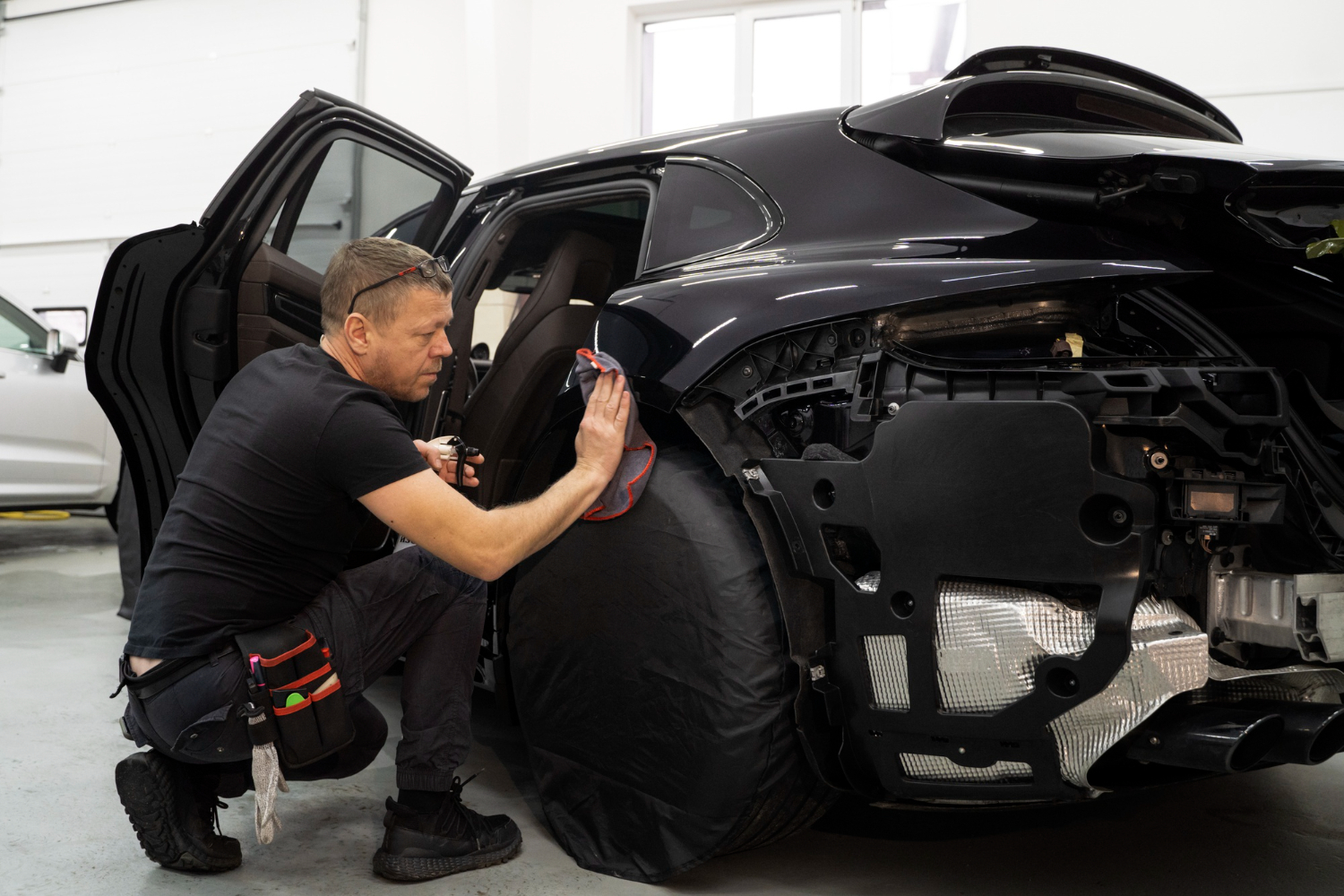
A scratched car can instantly reduce the overall look and value of your vehicle. Even a small scratch can make the paint look dull, damaged, and old. Modern drivers now expect smooth finishes, factory-quality paint matching, and fast repair solutions. That is why a professional Car Body Shop follows advanced repair methods to restore vehicles properly without leaving visible marks behind.
Today’s scratch repair process is much more advanced than traditional sanding and repainting. Skilled technicians use digital paint-matching systems, smart repair tools, and high-quality coatings to achieve clean and long-lasting results. Whether the damage is light or deep, professional repair methods help protect the original bodywork while improving the final appearance of the vehicle.
Understanding Different Types of Car Scratches
Not every scratch is the same. Some only affect the clear coat, while others go deeper into the paint or metal surface. Before starting any repair work, technicians inspect the damage carefully.
Clear Coat Scratches
These are the lightest scratches and usually appear on the surface layer of the paint. They are often caused by dust, washing brushes, or small contact with objects. Clear coat scratches can usually be polished or buffed out without repainting.
Paint Layer Scratches
These scratches go deeper and damage the colored paint layer. They are more visible and may require sanding, filling, and repainting to restore the finish.
Deep Metal Scratches
Deep scratches expose the metal body underneath the paint. These are serious because they can lead to rust and corrosion if ignored for too long. Repairing these scratches requires extra preparation, primer application, and full paint restoration.
Modern Inspection and Damage Assessment
Professional repair work always starts with a detailed inspection process. Modern workshops use bright LED lighting and digital inspection tools to identify the exact depth and spread of the scratch.
Technicians also check for hidden damage around the affected area. Sometimes a visible scratch may also include minor dents or paint cracking that requires additional repair.
Digital assessment helps technicians decide:
- Whether polishing is enough
- If repainting is required
- Which repair products should be used
- How much time the repair will take
This planning stage helps avoid unnecessary repairs and ensures better final results.
Cleaning and Surface Preparation
Before any repair work begins, the damaged panel must be cleaned properly. Dirt, grease, wax, and road contaminants can affect the repair quality.
Technicians wash and degrease the area carefully using automotive-safe cleaning solutions. Once cleaned, the surface is dried completely.
Sanding the Damaged Area
Sanding is one of the most important steps in Auto mechanic. Professionals use fine-grade sanding tools to smooth the damaged paint area.
Modern sanding methods are precise and controlled. The goal is to remove only the damaged paint while protecting the surrounding surface
If the scratch is deep, technicians may feather the edges around the damage to prepare the surface for primer and paint.
Using Advanced Paint Matching Technology
One of the biggest improvements in modern repair services is digital paint matching.
Years ago, matching car paint was difficult because slight color differences were easy to notice. Today, workshops use computerized paint systems that scan the original paint color and create an exact match.
How Paint Matching Works
Technicians use a digital color scanner on the vehicle’s paint surface. The system reads the paint code, shade variation, and finish type.
The software then creates a custom paint formula that matches the original factory finish.
This process helps ensure:
- Consistent color blending
- Invisible repair lines
- Better resale appearance
- Factory-style finish
Accurate paint matching is especially important for metallic, pearl, and matte finishes.
Filling and Priming Deep Scratches
If the scratch reaches the metal layer, technicians apply body filler to level the damaged area.
Applying Body Filler
The filler is carefully spread into the damaged section and shaped evenly. Once dried, the area is sanded again until the surface becomes smooth.
Professional technicians focus on achieving a flat and balanced finish before moving to the next stage.
Primer Application
Primer is then sprayed onto the repaired area. Primer helps paint stick properly and protects the metal surface from moisture and corrosion.
Modern primers also improve paint durability and help create a smoother final appearance.
After drying, the primer is lightly sanded to remove imperfections.
Precision Paint Application
Painting is one of the most technical parts of scratch repair.
Modern repair centers use controlled spray booths with temperature management and dust filtration systems. These environments help create clean and even paint finishes.
Base Coat Application
The color coat is sprayed evenly across the repaired section. Technicians use blending techniques to connect the new paint smoothly with the surrounding original paint.
This prevents noticeable paint edges or color transitions.
Clear Coat Protection
After the color coat dries, a clear protective layer is applied.
The clear coat:
- Adds shine and gloss
- Protects the paint from sunlight
- Prevents fading
- Improves scratch resistance
- Creates a smooth finish
Multiple layers may be applied depending on the repair quality required.
Drying and Curing Process
Modern workshops use infrared curing lamps and heated spray booths to dry paint quickly and evenly.
Proper curing is essential because it hardens the paint and improves long-term durability.
Fast drying technology also reduces waiting time for customers while maintaining professional results.
Technicians monitor temperature and drying times carefully to avoid paint defects such as bubbling, uneven texture, or dull spots.
Final Polishing and Quality Inspection
Once the paint fully cures, the repaired area goes through polishing and finishing.
Machine Polishing
Professional polishing machines remove tiny imperfections and improve paint gloss.
This stage helps blend the repaired section with the rest of the vehicle so the repair becomes almost invisible.
Quality Control Check
Before delivery, technicians inspect the vehicle under strong lighting conditions.
They check:
- Paint smoothness
- Color consistency
- Surface reflection
- Clear coat quality
- Dust or swirl marks
Any remaining issue is corrected before the vehicle is returned to the customer.
Smart Repair Techniques Used Today
Many modern workshops now use SMART repair methods. SMART stands for Small to Medium Area Repair Technology.
This method focuses only on the damaged section instead of repainting large panels.
Benefits of SMART Repair
- Faster repair times
- Lower repair costs
- Less paint usage
- Better preservation of original paint
- Eco-friendly process
SMART repair is highly effective for minor scratches, bumper scuffs, and small paint damage.
Eco-Friendly Repair Solutions
Modern automotive repair centers are also becoming more environmentally responsible.
Many workshops now use:
- Water-based paints
- Low-emission coatings
- Energy-efficient curing systems
- Dust extraction technology
- Waste recycling systems
These practices reduce harmful emissions and improve workplace safety while maintaining high repair quality.
Why Professional Repair Matters
DIY scratch repair kits may seem affordable, but they often produce uneven finishes, color mismatches, and visible repair marks.
Professional repair services provide better durability, accurate paint matching, and long-lasting protection.
A properly repaired scratch also helps maintain:
- Vehicle appearance
- Resale value
- Paint protection
- Structural condition
- Customer satisfaction
Ignoring scratches for too long can lead to rust, paint peeling, and expensive future repairs.
Choosing the Right Repair Service
Not all repair centers provide the same quality of service. Choosing experienced technicians and modern facilities can make a major difference in final results.
Important Things to Check
Before selecting a repair center, consider the following:
- Certified technicians
- Modern paint-matching technology
- Clean repair environment
- Positive customer reviews
- Warranty on repair work
- Experience with your vehicle type
A trusted repair center will explain the process clearly and provide transparent repair estimates.
Conclusion
Modern scratch repair is now more advanced, accurate, and efficient than ever before. Professional technicians use digital tools, advanced paint systems, and precision repair methods to restore damaged vehicles with impressive results.
From inspection and sanding to paint matching and final polishing, every step plays an important role in achieving a smooth factory-quality finish. Proper repair not only improves the appearance of a vehicle but also protects it from long-term damage and corrosion.
Choosing experienced professionals ensures that scratches are repaired safely, correctly, and with lasting quality.
Visit velog for more informative blogs.