Why Water Donation Matters for Clean Water Access
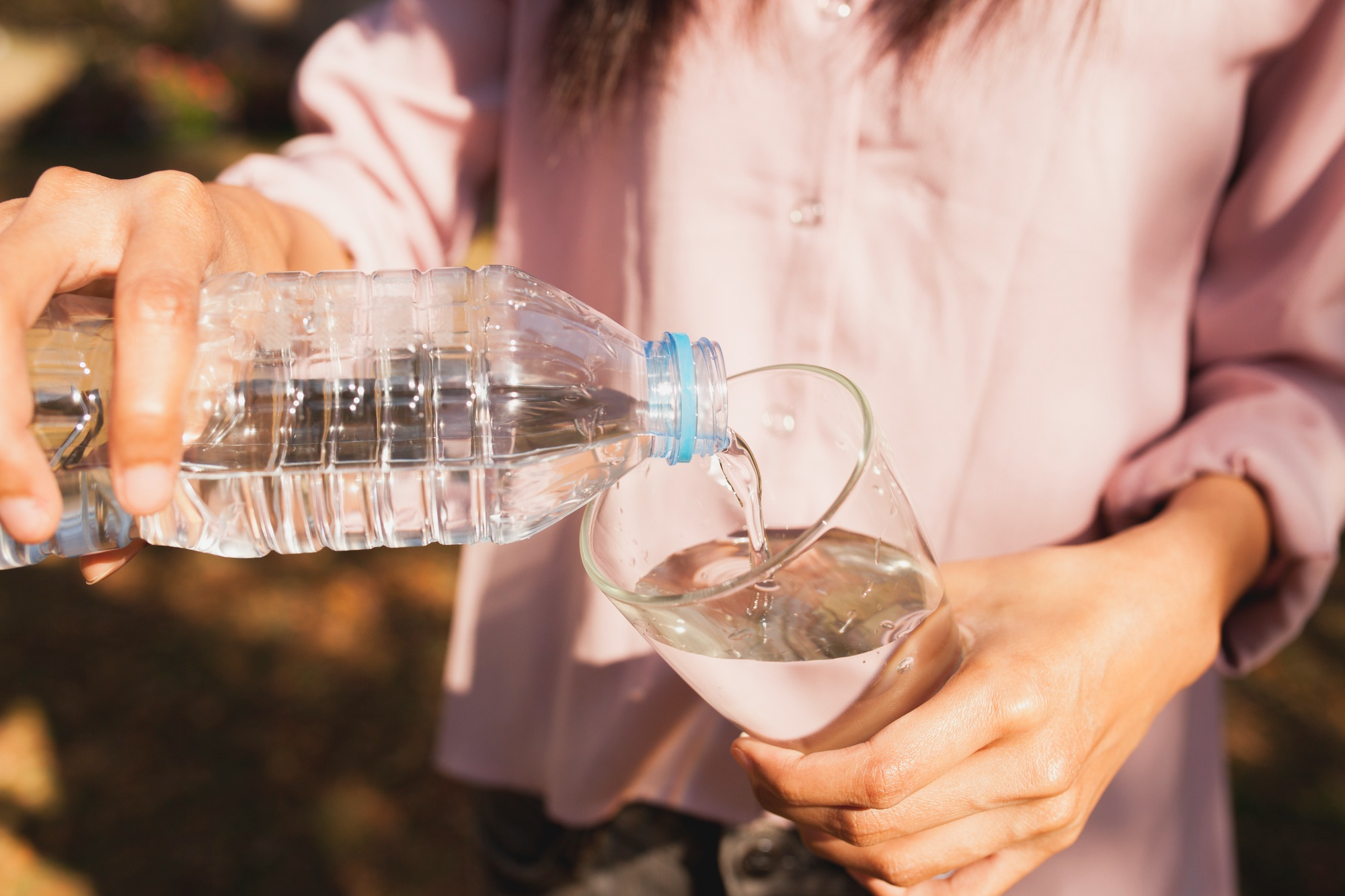
Starting every day with a long, dangerous walk to a far-off, frequently polluted source rather than with a cool glass of tap water. This is a reality for 2.2 billion people worldwide who lack access to adequately handled drinking water, rather than a hypothetical one. The results are catastrophic: Every year, hundreds of thousands of children perish from waterborne illnesses, including typhoid and cholera; the weight of gathering water falls disproportionately on women and girls, therefore depriving them of opportunity for rest, work, and education. This disaster is both a moral outcry and a practical obstacle to human development in a world of abundance. This helps to explain the great strength of the humble gesture of giving. Choosing to donate clean drinking water is an investment in health, education, gender equality, and the very foundation of a flourishing society, as well as a resource.
Protecting lives from diseases that could be avoided
The most direct and urgent effect of water donation is its life-saving ability. Among other fatal diseases, including diarrhoea, cholera, dysentery, and typhoid, contaminated water is a major vector. The numbers are astounding: about 1,000 children under five die from diseases brought on by subpar water, sanitation, and hygiene every single day. This is a tragedy we can avoid. Donations directly break the cycle of illness spread by supporting projects offering access to clean water, including well drilling or filtration system implementation. A basic, safe water source can convert a society from one where child mortality is a normal tragedy to one where children may develop and flourish.
Freeing women and girls of collection's weight
Women and girls bear the difficult duty of gathering water in several places throughout Africa and Asia. Carrying heavy jerrycans weighing up to 20 kilograms, they frequently walk for hours every day, confronting dangers like harassment and injury along the way. Girls are kept out of school, and this laborious task robs them of their chance for an education and keeps women from participating in income-generating activities. Giving of time and freedom is a donation that brings a clean water source closer to home. It empowers women to be more active in their societies and economies and enables them to go to school and develop a future.
Interrupting the vicious cycle of poverty
One of the most important stimulants for economic growth is access to clean water. A cascade of good developments ensues from a society acquiring a dependable water supply. Health increases, hence lowering the financial load of medical bills and days of missed work. Adults may pursue professions, be it farming, managing a small business, or engaging in trade, with time previously spent collecting water now available. Freed from water-collection responsibilities, youngsters can enrol in school and acquire the skills necessary for more lucrative employment. Addressing this fundamental need helps to end the multi-generational cycle of poverty and empowers communities to develop a more affluent and independent future.
School Attendance and Education Improvement
Undoubtedly related are education, cleanliness, and water. Particularly for girls, the lack of private bathrooms and clean water in schools constitutes a significant hurdle to schooling in many areas. Girls often miss school during menstruation if they lack adequate facilities, and eventually drop out altogether. Moreover, children who have chronic waterborne infections are too weak to routinely attend school. Contributions supporting school-based water, sanitation, and hygiene (WASH) initiatives foster a better, more dignified environment. This easy gesture helps guarantee that the next generation has the intellectual basis necessary for success, increases attendance, and improves attention.
Conclusion
Giving is a simple yet powerful answer to the complicated worldwide water catastrophe. Giving for clean water is a transforming event that affects every sphere of a society, not only a financial exchange. It opens doors for education and economic opportunity, frees women and girls from the gruelling daily collection burden, and protects youngsters from deadly illnesses. It is regarded among the most blessed types of charity since it forms the base for food security, restores dignity and safety. Choosing to contribute clean drinking water in a world where millions are left behind is a decision to advocate for health, equality, and hope. It guarantees that every person, irrespective of their birthplace, has access to the most basic requirement for life, thereby investing in our common humanity.
Visit velog for more informative blogs.