Factory Automation Software: A Complete Guide for Manufacturers
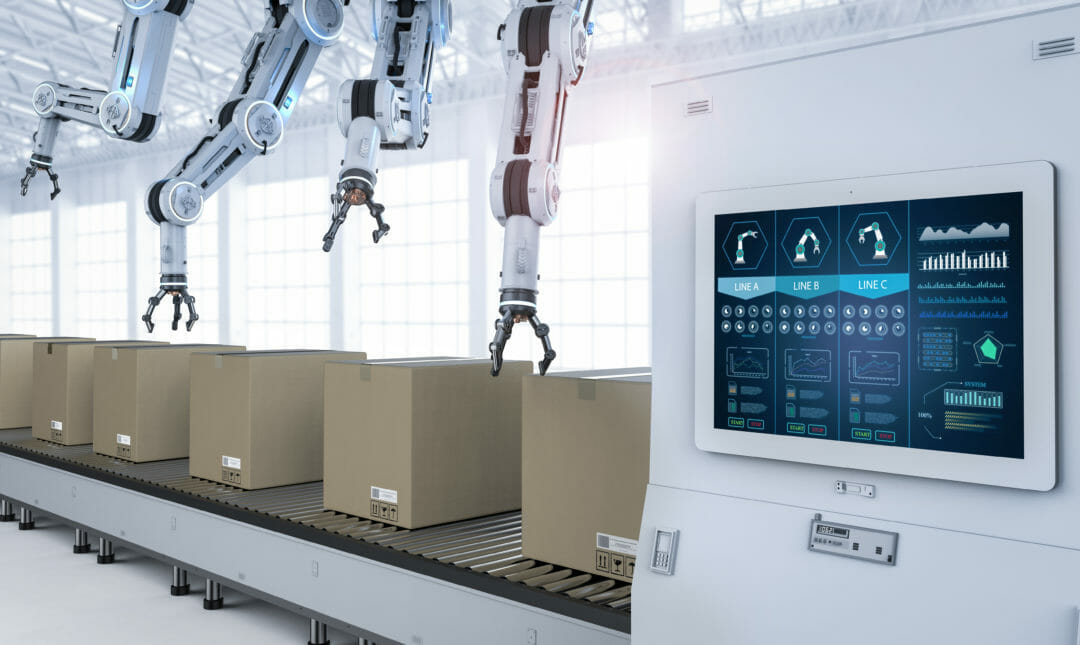
In the rapidly evolving landscape of modern industry, the integration of Factory Automation Software has transitioned from a competitive advantage to a fundamental necessity. As we moving into 2026, manufacturers are facing unprecedented pressure to increase throughput, minimize waste, and navigate a tightening labor market.
This comprehensive guide explores the architecture, benefits, and future trends of Factory Automation Software, providing a roadmap for manufacturers ready to embrace the next phase of industrial evolution.
What is Factory Automation Software?
Factory Automation Software refers to the suite of digital tools and platforms used to control, monitor, and optimize industrial processes with minimal human intervention. It acts as the "connective tissue" between physical machinery and high-level business strategy.
By digitizing the shop floor, this software allows for real-time data exchange between sensors, programmable logic controllers (PLCs), and enterprise-level management systems.
Core Components of an Automation Ecosystem
To understand how Factory Automation Software functions, it is essential to look at the layers of the industrial "stack." Each component serves a specific purpose in ensuring the production line operates as a single, cohesive unit.
1. Programmable Logic Controllers (PLCs)
The foundation of any automated system is the PLC. This software-driven hardware processes inputs from sensors and executes pre-programmed logic to control actuators. Modern PLCs are increasingly "smart," capable of handling complex edge-computing tasks.
2. Supervisory Control and Data Acquisition (SCADA)
SCADA systems provide the high-level supervision required for large-scale operations. This software gathers data from multiple PLCs across the factory, allowing operators to monitor the entire facility from a centralized dashboard.
3. Manufacturing Execution Systems (MES)
While SCADA focuses on the "how" of the machine, the MES focuses on the "what" and "when" of production. It tracks and documents the transformation of raw materials into finished goods, providing a bridge between the shop floor and the corporate office.
4. Human-Machine Interface (HMI)
The HMI is the visual gateway through which human operators interact with the Factory Automation Software. Modern HMIs feature intuitive touchscreens and mobile-responsive layouts, making it easier for staff to manage complex workflows.
The Rise of Agentic AI and Digital Twins
As we look toward 2026, the capabilities of Factory Automation Software are expanding through two major technological shifts: Agentic AI and Digital Twins.
Agentic AI: Unlike traditional automation which follows rigid "if-then" logic, agentic AI can reason and take autonomous action. It can identify a bottleneck in the supply chain and automatically adjust production schedules without human intervention.
Digital Twins: This involves creating a high-fidelity virtual replica of your physical factory. Using Factory Automation Software, manufacturers can simulate new production layouts or stress-test equipment in a digital environment before making any physical changes.
Strategic Implementation: How to Get Started
Successfully deploying Factory Automation Software requires a structured approach to ensure a high Return on Investment (ROI)
Step 1: Conduct a Bottleneck Analysis
Identify the specific areas where production slows down or where quality consistently dips. Automation should always solve a defined problem rather than being implemented for its own sake.
Step 2: Prioritize Interoperability
The greatest challenge in smart manufacturing is "data silos." Ensure that your chosen software uses open protocols (such as OPC UA or MQTT) to ensure it can communicate with existing legacy hardware and future upgrades.
Step 3: Focus on Scalability
Start with a pilot program perhaps a single assembly line or a specific quality-check station. Once the ROI is proven, use the modular nature of modern Factory Automation Software to scale across the entire facility.
The Future of the Industry
The trajectory of the manufacturing sector is clear: software-defined production is the future. By 2030, the most successful factories will be those where Factory Automation Software manages the entire lifecycle of a product from the moment an order is placed to its final shipment.
By investing in these digital foundations today, manufacturers can build a resilient, agile, and highly profitable operation capable of thriving in an increasingly complex global market.
https://itsybizz.com/blog/factory-automation-software-a-complete-guide-for-manufacturers
