How Atlanta’s Traffic Patterns Impact Bollard Damage and Repairs
Atlanta, a city renowned for its vibrant energy and bustling streets, presents unique challenges when it comes to urban infrastructure. One element often overlooked but crucial to city safety is the network of bollards that protect pedestrians, property, and businesses from vehicular impact. These short, sturdy posts, strategically placed along sidewalks and around key installations, face constant threats from Atlanta’s dynamic traffic patterns. Understanding how traffic behavior contributes to bollard damage is essential for planning timely repairs and ensuring ongoing safety.
The Role of Traffic Congestion in Bollard Damage
Atlanta’s roadways are a blend of narrow urban streets, expansive highways, and busy intersections. Each traffic pattern exerts a distinct kind of stress on city infrastructure. In downtown Atlanta, frequent stop-and-go traffic, coupled with high pedestrian activity, increases the likelihood of minor vehicle collisions. Drivers navigating tight turns or hurriedly seeking parking can inadvertently impact bollards, leading to dents, misalignment, or complete breakage. Such damage not only compromises safety but also creates a visually unappealing environment that detracts from the city’s polished urban landscape.
Rush hour is particularly challenging. With congestion peaking during morning and evening commutes, vehicles often maneuver aggressively to maintain pace. In areas surrounding shopping districts, office complexes, and entertainment hubs, bollards near curbs and entrances absorb the brunt of these traffic behaviors. As a result, city planners and property managers must anticipate higher maintenance demands in these zones, ensuring damaged bollards are promptly repaired.
How Commercial and Delivery Traffic Affect Bollards
Atlanta’s mix of commuter and commercial traffic introduces additional challenges. Delivery trucks, ride-share vehicles, and buses navigate streets with varying levels of precision, sometimes brushing against bollards during tight maneuvers. While these interactions might seem minor, repeated impacts weaken structural integrity over time, necessitating more comprehensive repairs. In high-traffic zones, the cumulative effect of small collisions can lead to unexpected safety hazards, emphasizing the importance of regular inspection and proactive maintenance.
Strategic Bollard Placement and Vulnerability
The positioning of bollards relative to traffic flow is another factor influencing damage frequency. Bollards located near intersections, crosswalks, and parking entrances are more vulnerable because vehicles constantly adjust speed or direction in these areas. Even slight miscalculations by drivers can result in forceful contact. Understanding traffic patterns helps urban planners and property managers strategically place bollards in ways that minimize damage while maintaining maximum protective coverage.
Material Strength and Repair Considerations
Bollard repair Atlanta must also account for material and design resilience. Modern bollards vary in strength and purpose; some are purely aesthetic, while others are designed to withstand high-impact collisions. Traffic-heavy streets demand robust, high-impact bollards capable of absorbing repeated contact without compromising safety. Additionally, the repair process must be efficient to reduce downtime, ensuring the protective barrier remains active as much as possible. This balance between durability and practicality is key for maintaining both public safety and visual appeal in the cityscape.
The Impact of Driver Behavior and Environmental Conditions
One way traffic patterns directly influence bollard damage is through driver behavior during peak congestion periods. Atlanta drivers, often navigating under time pressure, may underestimate spatial dimensions when turning or parking. High-density areas, such as commercial corridors and entertainment districts, face increased risks due to concentrated traffic flow. Proactive monitoring and maintenance strategies are therefore crucial to prevent minor impacts from escalating into costly or hazardous damage.
Environmental factors intertwined with traffic patterns also contribute to bollard wear and tear. Heavy rainfall can create slick streets that reduce vehicle control. In combination with Atlanta’s congested roadways, these conditions elevate the likelihood of accidental impacts. Seasonal traffic surges, such as during festivals or major sporting events, amplify these challenges, often leading to clusters of bollard repairs in specific urban hotspots.
Enhancing Security Through Complementary Measures
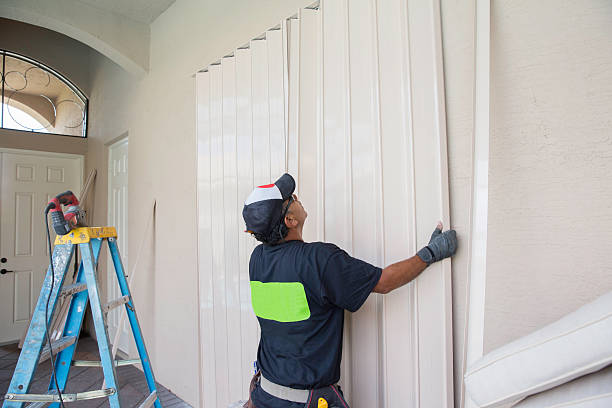
For businesses and properties in Atlanta, ensuring that bollards remain intact goes beyond safety; it directly influences customer perception. Damaged bollards can suggest neglect or insufficient attention to security, potentially deterring visitors. Conversely, well-maintained protective barriers convey a sense of professionalism and care. Strategic security solutions, including security shutter installation Atlanta, complement bollard placement. Combining these protective measures creates a robust, visually cohesive defense against both vehicular incidents and other urban risks.
Optimizing Maintenance and Repair Planning
Understanding traffic-related bollard damage also impacts budgeting and planning. By mapping high-risk zones based on traffic patterns, property managers can allocate resources more efficiently. Predictive maintenance allows repairs to occur before damage escalates into costly replacements. In turn, this proactive approach helps maintain both safety standards and financial control, minimizing disruptions to daily operations or pedestrian flow.
Technology plays a role as well. Advanced monitoring systems can detect impacts in real-time, alerting city officials or property managers to immediate repairs. When combined with traffic analysis, this allows for optimized placement and protection strategies tailored to specific urban conditions.
Proactive Strategies for Atlanta’s Streets
Ultimately, Atlanta’s traffic patterns are a central factor in the ongoing maintenance and repair of city bollards. From congestion-driven collisions to environmental influences, the dynamic nature of the city’s streets requires careful planning and swift action. Integrating protective measures like security shutter installation Atlanta alongside well-maintained bollards ensures comprehensive safeguarding of both public spaces and private properties.
Vigilant monitoring, timely repairs, and complementary security solutions all contribute to preserving safety and aesthetics in the urban landscape. By acknowledging the subtle but significant influence of traffic behavior on bollard wear, city stakeholders can implement proactive strategies that reduce damage, enhance public perception, and ensure long-term durability. Maintaining a resilient network of bollards transforms Atlanta’s streets into safer, more appealing environments for residents and visitors alike.