Single Product Themes vs. Multi-product Themes: Pros and Cons
Choosing the right theme for your Shopify store is a critical decision that can significantly impact your business's success. One of the key decisions you'll need to make is whether to use a single product theme or a multi-product theme. Both types have their own advantages and disadvantages, which we'll explore in this comprehensive guide to help you make an informed decision.
Single Product Themes
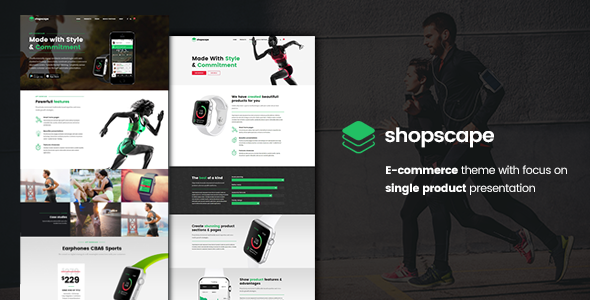
Single product themes are designed specifically to showcase one main product. They are ideal for businesses that focus on a single flagship product or a small range of related products.
Pros of Single Product Themes
Focused Presentation
Highlight Your Product: Single product themes allow you to create a dedicated and immersive experience around your product, making it the star of the show.
Clear Messaging: With fewer distractions, your messaging can be more direct and impactful, guiding visitors towards making a purchase.
Enhanced Conversion Rates
Simplified Navigation: With a streamlined layout, customers can easily find all the information they need about the product, leading to higher conversion rates.
Optimized Call-to-Action (CTA): The entire theme is designed to funnel visitors towards the CTA, such as "Buy Now" or "Add to Cart," reducing friction in the purchasing process.
Faster Load Times
One of the best Features of Single Product Shopify Themes is fast loading time
Lightweight Design: Single product themes typically have fewer elements and pages, resulting in faster load times and a better user experience.
Easier Management
Simplified Content Management: With fewer products to manage, updating and maintaining your store becomes more straightforward.
Cons of Single Product Themes
Limited Scalability
Expansion Constraints: If you plan to expand your product line in the future, a single product theme may not be flexible enough to accommodate additional products without significant redesign.
Niche Market Limitation
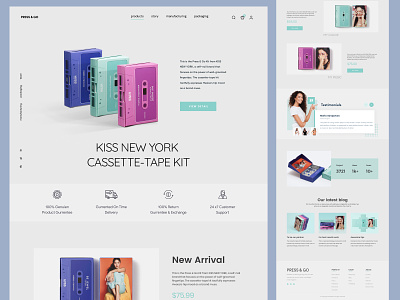
Target Audience: Single product themes are best suited for niche markets or products with a strong unique selling proposition (USP). They may not be ideal for businesses looking to cater to a broad audience.
Multi-product Themes
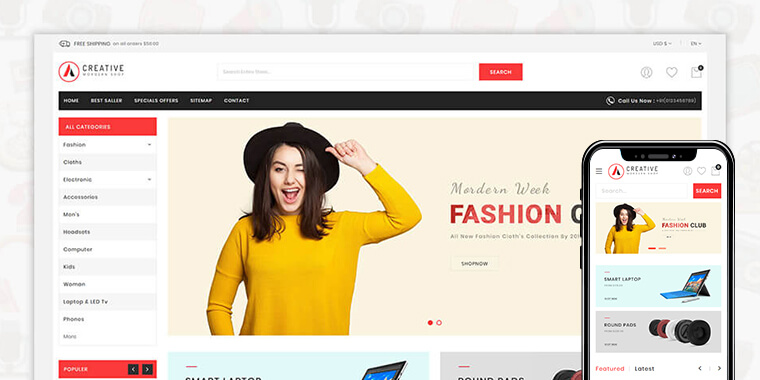
Multi-product themes are designed to showcase a wide range of products, making them ideal for businesses with diverse product lines.
Pros of Multi-product Themes
Versatility and Scalability
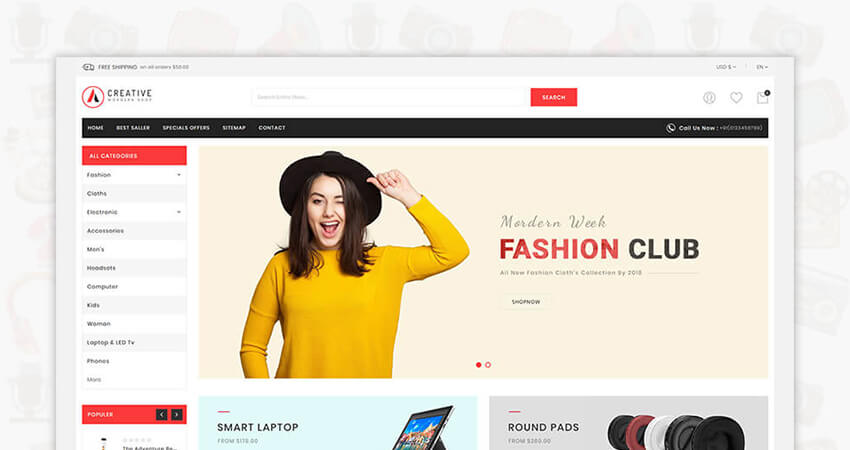
Accommodate Growth: Multi-product themes are designed to handle a large number of products, making them suitable for businesses planning to expand their offerings.
Category Management: These themes often come with built-in features to manage different product categories, making it easier to organize and showcase a diverse range of products.
Enhanced Shopping Experience
Product Discovery: With advanced filtering and search options, customers can easily find the products they are looking for, enhancing their shopping experience.
Cross-Selling Opportunities: Multi-product themes allow you to display related products, upsell, and cross-sell, increasing average order value.
Comprehensive Features
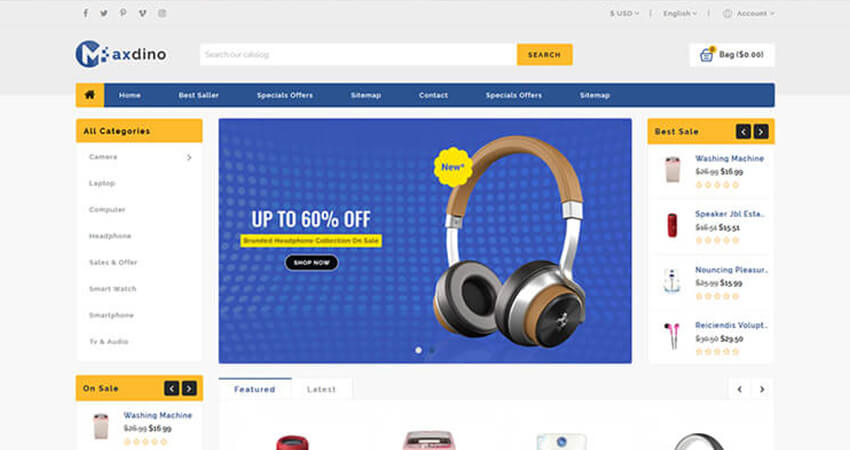
Rich Functionality: These themes often come with a variety of features such as customer reviews, product comparisons, and wish lists, providing a more robust shopping experience.
Broader Audience Appeal
Diverse Product Offering: By showcasing a variety of products, you can attract a broader audience and cater to different customer needs and preferences.
Cons of Multi-product Themes
Complex Navigation
Overwhelming Choices: With a large number of products, customers may find it difficult to navigate the site and find what they are looking for, potentially leading to higher bounce rates.
Cluttered Design: If not well-designed, multi-product themes can appear cluttered and overwhelming, detracting from the user experience.
Slower Load Times
Heavier Design: With more elements and pages, multi-product themes can have slower load times, which can negatively impact user experience and SEO.
Higher Maintenance
Increased Management Effort: Managing a large inventory requires more time and resources, including regular updates, inventory tracking, and content management.