Target
- XPDF 3.0.2
- pdftotext - PDF에서 텍스트를 추출하여 txt나 html 파일로 저장하는 소프트웨어
- CVE-2019-13288
- Parser.cc 파일의 Parser::getObj() 함수의 무한 재귀호출로 인한 DoS 취약점 발생
Target Download & Build
Download
cd $HOME
mkdir fuzzing_xpdf && cd fuzzing_xpdf/- 작업 디렉터리 생성
sudo apt install build-essential
sudo apt install doxygen- 필요 패키지 설치
wget https://dl.xpdfreader.com/old/xpdf-3.02.tar.gz
tar -xvzf xpdf-3.02.tar.gz- Xpdf 3.02 다운로드
Build
cd xpdf-3.02
sudo apt update && sudo apt install -y build-essential gcc
./configure --prefix="$HOME/fuzzing_xpdf/install/"
make
make install- Xpdf 빌드하기
Test
cd $HOME/fuzzing_xpdf
mkdir pdf_examples && cd pdf_examples
wget https://github.com/mozilla/pdf.js-sample-files/raw/master/helloworld.pdf
wget http://www.africau.edu/images/default/sample.pdf
wget https://www.melbpc.org.au/wp-content/uploads/2017/10/small-example-pdf-file.pdf- 샘플 파일 다운로드
❯ $HOME/fuzzing_xpdf/install/bin/pdfinfo -box -meta $HOME/fuzzing_xpdf/pdf_examples/helloworld.pdf
Tagged:         no
Pages:          1
Encrypted:      no
Page size:      200 x 200 pts
MediaBox:           0.00     0.00   200.00   200.00
CropBox:            0.00     0.00   200.00   200.00
BleedBox:           0.00     0.00   200.00   200.00
TrimBox:            0.00     0.00   200.00   200.00
ArtBox:             0.00     0.00   200.00   200.00
File size:      678 bytes
Optimized:      no
PDF version: 1.7- 빌드가 제대로 된 것을 확인할 수 있습니다.
pdftotext
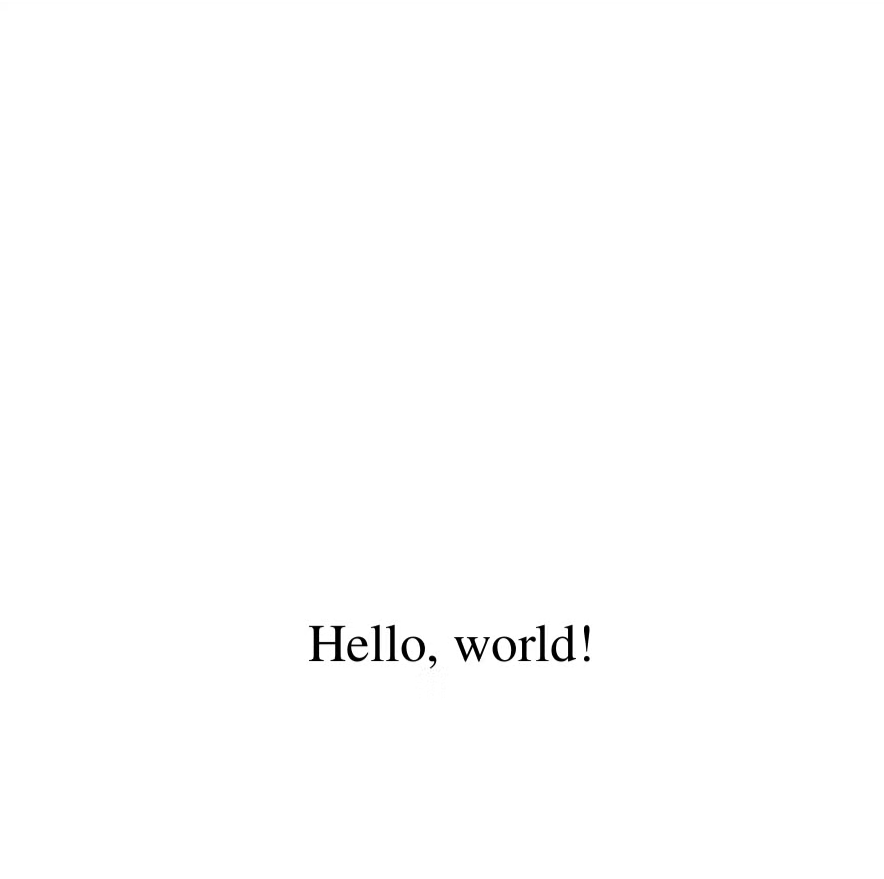
❯ ~/fuzzing_xpdf/install/bin/pdftotext ./helloworld.pdf
❯ ls
helloworld.pdf  helloworld.txt  small-example-pdf-file.pdf
❯ cat helloworld.txt
Hello, world!- PDF 파일의 텍스트를 추출해서 txt 파일로 저장해주는 소프트웨어입니다.
동작을 예상해보면
%PDF-1.7

1 0 obj  % entry point
<<
  /Type /Catalog
  /Pages 2 0 R
>>
endobj

2 0 obj
<<
  /Type /Pages
  /MediaBox [ 0 0 200 200 ]
  /Count 1
  /Kids [ 3 0 R ]
>>
endobj

3 0 obj
<<
  /Type /Page
  /Parent 2 0 R
  /Resources <<
    /Font <<
      /F1 4 0 R
    >>
  >>
  /Contents 5 0 R
>>
endobj

4 0 obj
<<
  /Type /Font
  /Subtype /Type1
  /BaseFont /Times-Roman
>>
endobj

5 0 obj  % page content
<<
  /Length 44
>>
stream
BT
70 50 TD
/F1 12 Tf
(Hello, world!) Tj
ET
endstream
endobj

xref
0 6
0000000000 65535 f
0000000010 00000 n
0000000079 00000 n
0000000173 00000 n
0000000301 00000 n
0000000380 00000 n
trailer
<<
  /Size 6
  /Root 1 0 R
>>
startxref
492
%%EOF- PDF 파일 구조에 따라 텍스트 내용은 stream 객체로 저장합니다.
- stream 객체는
stream으로 시작하고endstream으로 끝납니다. - 여기서는 stream에 Hello, world! 가 포함되어 있는 것을 확인할 수 있습니다.
- 아마 PDF 파일을 파싱해서 stream 부분을 추출하여 텍스트 파일로 저장하는 동작을 수행할 거 같습니다.
| 참고
| PDF(Portable Document Format) File Structure Analysis
Fuzzing
Rebuild using afl-clang
rm -r $HOME/fuzzing_xpdf/install
cd $HOME/fuzzing_xpdf/xpdf-3.02/
make clean- AFL은 coverage-guided fuzzer이기 때문에, 각 변경된 입력에 대한 커버리지 정보를 수집하기 위해서 afl-clang을 이용한 소스코드 재빌드가 필요합니다.
export LLVM_CONFIG="llvm-config-11"
CC=$HOME/AFLplusplus/afl-clang-fast CXX=$HOME/AFLplusplus/afl-clang-fast++ ./configure --prefix="$HOME/fuzzing_xpdf/install/"
make
make install- afl-clang-fast를 이용한 재빌드
Fuzzing
afl-fuzz -i $HOME/fuzzing_xpdf/pdf_examples/ -o $HOME/fuzzing_xpdf/out/ -s 123 -- $HOME/fuzzing_xpdf/install/bin/pdftotext @@ $HOME/fuzzing_xpdf/outputCrash
❯ pwd
/home/pwn/Fuzzing101/fuzzing_xpdf/out/default/crashes
❯ ls
crash1       crash11.txt  crash3.txt  crash5.txt  crash7.txt  crash9.txt
crash10      crash1.txt   crash4      crash6      crash8      pdftotext
crash10.txt  crash2       crash4.txt  crash6.txt  crash8.txt
crash11 crash3 crash5 crash7 crash9- 디버깅을 쉽게 하기 위해 모든 크래시 이름을 crash로 변경
Root Cause Analysis
Debugging
gdb-gef --args ~/fuzzing_xpdf/install/bin/pdftotext ./crash1Error (449): Dictionary key must be a name object
Error (459): Dictionary key must be a name object
Error (477): Dictionary key must be a name object
Error (424): Dictionary key must be a name object
Error (426): Dictionary key must be a name object
Error (430): Dictionary key must be a name object
Error (449): Dictionary key must be a name object
Error (459): Dictionary key must be a name object
Error (477): Dictionary key must be a name object
Error (424): Dictionary key must be a name object
Error (426): Dictionary key must be a name object
Error (430): Dictionary key must be a name object
Error (449): Dictionary key must be a name object
Error (459): Dictionary key must be a name object
Error (477): Dictionary key must be a name object
Error (424): Dictionary key must be a name object
Error (426): Dictionary key must be a name object
Error (430): Dictionary key must be a name object
Error (449): Dictionary key must be a name object
Error (459): Dictionary key must be a name object
Error (477): Dictionary key must be a name object
Error (424): Dictionary key must be a name object
Error (426): Dictionary key must be a name object
Error (430): Dictionary key must be a name object
Error (449): Dictionary key must be a name object
Error (459): Dictionary key must be a name object
Error (477): Dictionary key must be a name object
Program received signal SIGSEGV, Segmentation fault.
__vfprintf_internal (s=s@entry=0x7fffff7ff590, format=0x50d780 "Error (%d): ", ap=0x7fffff801c50, mode_flags=0x0) at vfprintf-internal.c:1365
1365 vfprintf-internal.c: No such file or directory.- 실행을 시키면 엄청난 양의 에러와 함께 SIGSEGV가 발생한 것을 확인할 수 있다.
Context
[ Legend: Modified register | Code | Heap | Stack | String ]
────────────────────────────────────────────────────────────────────────────────────────────────────────────────────────────────────────── registers ────
$rax   : 0x00007fffff801c70  →  0x00007ffff7b955c0  →  0x00000000fbad2887
$rbx   : 0x0
$rcx   : 0x0
$rdx   : 0x00007fffff801c50  →  0x0000003000000010
$rsp   : 0x7fffff7feff0
$rbp   : 0x00007fffff7ff560  →  0x00007fffff801c40  →  0x00000000000001a8
$rsi   : 0x25
$rdi   : 0x000000000050d780  →  "Error (%d): "
$rip   : 0x00007ffff7a1e900  →  <__vfprintf_internal+00a0> call 0x7ffff79ca390 <*ABS*+0xa1c90@plt>
$r8    : 0x0
$r9    : 0x4
$r10   : 0x000000000050d789  →  0x6f72724500203a29 ("): "?)
$r11   : 0x00007ffff7b94be0  →  0x0000000002b73570  →  0x0000000000000000
$r12   : 0x00007fffff7ff590  →  0x00000000fbad8004
$r13   : 0x000000000050d780  →  "Error (%d): "
$r14   : 0x00007fffff801c50  →  0x0000003000000010
$r15   : 0xfbad8004
$eflags: [ZERO carry PARITY adjust sign trap INTERRUPT direction overflow RESUME virtualx86 identification]
$cs: 0x33 $ss: 0x2b $ds: 0x00 $es: 0x00 $fs: 0x00 $gs: 0x00
────────────────────────────────────────────────────────────────────────────────────────────────────────────────────────────────────────────── stack ────
[!] Unmapped address: '0x7fffff7feff0'
──────────────────────────────────────────────────────────────────────────────────────────────────────────────────────────────────────── code:x86:64 ────
   0x7ffff7a1e8ef <__vfprintf_internal+008f> mov    rdi, r13
   0x7ffff7a1e8f2 <__vfprintf_internal+0092> mov    QWORD PTR [rbp-0x438], rax
   0x7ffff7a1e8f9 <__vfprintf_internal+0099> movups XMMWORD PTR [rbp-0x448], xmm1
 → 0x7ffff7a1e900 <__vfprintf_internal+00a0> call   0x7ffff79ca390 <*ABS*+0xa1c90@plt>
   ↳  0x7ffff79ca390 <*ABS*+0xa1c90@plt+0000> endbr64
      0x7ffff79ca394 <*ABS*+0xa1c90@plt+0004> bnd    jmp QWORD PTR [rip+0x1c9ca5]        # 0x7ffff7b94040 <*ABS*@got.plt>
      0x7ffff79ca39b <*ABS*+0xa1c90@plt+000b> nop    DWORD PTR [rax+rax*1+0x0]
      0x7ffff79ca3a0 <*ABS*+0xbcd20@plt+0000> endbr64
      0x7ffff79ca3a4 <*ABS*+0xbcd20@plt+0004> bnd    jmp QWORD PTR [rip+0x1c9c9d]        # 0x7ffff7b94048 <*ABS*@got.plt>
      0x7ffff79ca3ab <*ABS*+0xbcd20@plt+000b> nop    DWORD PTR [rax+rax*1+0x0]
──────────────────────────────────────────────────────────────────────────────────────────────────────────────────────────────── arguments (guessed) ────
*ABS*+0xa1c90@plt (
   $rdi = 0x000000000050d780 → "Error (%d): ",
   $rsi = 0x0000000000000025,
   $rdx = 0x00007fffff801c50 → 0x0000003000000010,
   $rcx = 0x0000000000000000
)
──────────────────────────────────────────────────────────────────────────────────────────────────────────────────────────────────────────── threads ────
[#0] Id 1, Name: "pdftotext", stopped 0x7ffff7a1e900 in __vfprintf_internal (), reason: SIGSEGV
────────────────────────────────────────────────────────────────────────────────────────────────────────────────────────────────────────────── trace ────
[#0] 0x7ffff7a1e900 → __vfprintf_internal(s=0x7fffff7ff590, format=0x50d780 "Error (%d): ", ap=0x7fffff801c50, mode_flags=0x0)
[#1] 0x7ffff7a21ea2 → buffered_vfprintf(s=0x7ffff7b955c0 <_IO_2_1_stderr_>, format=0x50d780 "Error (%d): ", args=0x7fffff801c50, mode_flags=0x0)
[#2] 0x7ffff7a1ed24 → __vfprintf_internal(s=0x7ffff7b955c0 <_IO_2_1_stderr_>, format=0x50d780 "Error (%d): ", ap=0x7fffff801c50, mode_flags=0x0)
[#3] 0x7ffff7a09c6a → __fprintf(stream=<optimized out>, format=<optimized out>)
[#4] 0x43a046 → error(pos=0x1a8, msg=0x514f8f "Dictionary key must be a name object")
[#5] 0x4ab4b2 → Parser::getObj(this=<optimized out>, obj=<optimized out>, fileKey=0x0, encAlgorithm=cryptRC4, keyLength=0x0, objNum=0x4, objGen=0x0)
[#6] 0x4d5deb → XRef::fetch(this=0x10b8a40, num=0x4, gen=0x0, obj=0x7fffff801f90)
[#7] 0x4abc0d → Object::dictLookup(this=0x7fffff802140, key=0x25 <error: Cannot access memory at address 0x25>, obj=0x7fffff801f90)
[#8] 0x4abc0d → Parser::makeStream(this=0x2b72a60, dict=0x7fffff802140, fileKey=0x0, encAlgorithm=cryptRC4, keyLength=0x0, objNum=0x4, objGen=0x0)
[#9] 0x4ab83a → Parser::getObj(this=<optimized out>, obj=<optimized out>, fileKey=0x0, encAlgorithm=cryptRC4, keyLength=0x0, objNum=0x4, objGen=0x0)
─────────────────────────────────────────────────────────────────────────────────────────────────────────────────────────────────────────────────────────- trace를 보면 CVE 정보에서 확인했던
Parser::getObj()함수가 보입니다.
pdftotext
- PDF파일에서 텍스트를 추출하여 별도의 텍스트 파일로 저장하는 기능을 하는 바이너리입니다.
- PDF에서 텍스트를 추출하려면 PDF 파일의 데이터를 파싱해서 텍스트 부분만 뽑아야 합니다.
- 이 파싱하는 과정에서 문제가 발생한거 같습니다.
Backtrace
gef➤  bt
.
.
.
#4325 0x00000000004ab83a in Parser::getObj (this=<optimized out>, obj=<optimized out>, fileKey=0x0, encAlgorithm=cryptRC4, keyLength=0x0, objNum=0x4, objGen=0x0) at Parser.cc:94
#4326 0x00000000004d5deb in XRef::fetch (this=0x10b8a40, num=0x4, gen=0x0, obj=0x7fffff873e10) at XRef.cc:823
#4327 0x00000000004abc0d in Object::dictLookup (this=0x7fffff873fc0, key=0x25 <error: Cannot access memory at address 0x25>, obj=0x7fffff873e10) at ./Object.h:253
#4328 Parser::makeStream (this=this@entry=0x29f6f60, dict=dict@entry=0x7fffff873fc0, fileKey=fileKey@entry=0x0, encAlgorithm=encAlgorithm@entry=cryptRC4, keyLength=keyLength@entry=0x0, objNum=objNum@entry=0x4, objGen=0x0) at Parser.cc:156
#4329 0x00000000004ab83a in Parser::getObj (this=<optimized out>, obj=<optimized out>, fileKey=0x0, encAlgorithm=cryptRC4, keyLength=0x0, objNum=0x4, objGen=0x0) at Parser.cc:94
#4330 0x00000000004d5deb in XRef::fetch (this=0x10b8a40, num=0x4, gen=0x0, obj=0x7fffff873fc0) at XRef.cc:823
#4331 0x00000000004abc0d in Object::dictLookup (this=0x7fffff874170, key=0x25 <error: Cannot access memory at address 0x25>, obj=0x7fffff873fc0) at ./Object.h:253
#4332 Parser::makeStream (this=this@entry=0x29f69c0, dict=dict@entry=0x7fffff874170, fileKey=fileKey@entry=0x0, encAlgorithm=encAlgorithm@entry=cryptRC4, keyLength=keyLength@entry=0x0, objNum=objNum@entry=0x4, objGen=0x0) at Parser.cc:156
#4333 0x00000000004ab83a in Parser::getObj (this=<optimized out>, obj=<optimized out>, fileKey=0x0, encAlgorithm=cryptRC4, keyLength=0x0, objNum=0x4, objGen=0x0) at Parser.cc:94
#4334 0x00000000004d5deb in XRef::fetch (this=0x10b8a40, num=0x4, gen=0x0, obj=0x7fffff874170) at XRef.cc:823
#4335 0x00000000004abc0d in Object::dictLookup (this=0x7fffff874320, key=0x25 <error: Cannot access memory at address 0x25>, obj=0x7fffff874170) at ./Object.h:253
#4336 Parser::makeStream (this=this@entry=0x29f6420, dict=dict@entry=0x7fffff874320, fileKey=fileKey@entry=0x0, encAlgorithm=encAlgorithm@entry=cryptRC4, keyLength=keyLength@entry=0x0, objNum=objNum@entry=0x4, objGen=0x0) at Parser.cc:156
#4337 0x00000000004ab83a in Parser::getObj (this=<optimized out>, obj=<optimized out>, fileKey=0x0, encAlgorithm=cryptRC4, keyLength=0x0, objNum=0x4, objGen=0x0) at Parser.cc:94
#4338 0x00000000004d5deb in XRef::fetch (this=0x10b8a40, num=0x4, gen=0x0, obj=0x7fffff874320) at XRef.cc:823
#4339 0x00000000004abc0d in Object::dictLookup (this=0x7fffff8744d0, key=0x25 <error: Cannot access memory at address 0x25>, obj=0x7fffff874320) at ./Object.h:253
#4340 Parser::makeStream (this=this@entry=0x29f5e80, dict=dict@entry=0x7fffff8744d0, fileKey=fileKey@entry=0x0, encAlgorithm=encAlgorithm@entry=cryptRC4, keyLength=keyLength@entry=0x0, objNum=objNum@entry=0x4, objGen=0x0) at Parser.cc:156
#4325 0x00000000004ab83a in Parser::getObj (this=<optimized out>, obj=<optimized out>, fileKey=0x0, encAlgorithm=cryptRC4, keyLength=0x0, objNum=0x4, objGen=0x0) at Parser.cc:94
#4326 0x00000000004d5deb in XRef::fetch (this=0x10b8a40, num=0x4, gen=0x0, obj=0x7fffff873e10) at XRef.cc:823
#4327 0x00000000004abc0d in Object::dictLookup (this=0x7fffff873fc0, key=0x25 <error: Cannot access memory at address 0x25>, obj=0x7fffff873e10) at ./Object.h:253
#4328 Parser::makeStream (this=this@entry=0x29f6f60, dict=dict@entry=0x7fffff873fc0, fileKey=fileKey@entry=0x0, encAlgorithm=encAlgorithm@entry=cryptRC4, keyLength=keyLength@entry=0x0, objNum=objNum@entry=0x4, objGen=0x0) at Parser.cc:156
#4329 0x00000000004ab83a in Parser::getObj (this=<optimized out>, obj=<optimized out>, fileKey=0x0, encAlgorithm=cryptRC4, keyLength=0x0, objNum=0x4, objGen=0x0) at Parser.cc:94
#4330 0x00000000004d5deb in XRef::fetch (this=0x10b8a40, num=0x4, gen=0x0, obj=0x7fffff873fc0) at XRef.cc:823
#4331 0x00000000004abc0d in Object::dictLookup (this=0x7fffff874170, key=0x25 <error: Cannot access memory at address 0x25>, obj=0x7fffff873fc0) at ./Object.h:253
#4332 Parser::makeStream (this=this@entry=0x29f69c0, dict=dict@entry=0x7fffff874170, fileKey=fileKey@entry=0x0, encAlgorithm=encAlgorithm@entry=cryptRC4, keyLength=keyLength@entry=0x0, objNum=objNum@entry=0x4, objGen=0x0) at Parser.cc:156
#4333 0x00000000004ab83a in Parser::getObj (this=<optimized out>, obj=<optimized out>, fileKey=0x0, encAlgorithm=cryptRC4, keyLength=0x0, objNum=0x4, objGen=0x0) at Parser.cc:94
#4334 0x00000000004d5deb in XRef::fetch (this=0x10b8a40, num=0x4, gen=0x0, obj=0x7fffff874170) at XRef.cc:823
#4335 0x00000000004abc0d in Object::dictLookup (this=0x7fffff874320, key=0x25 <error: Cannot access memory at address 0x25>, obj=0x7fffff874170) at ./Object.h:253
#4336 Parser::makeStream (this=this@entry=0x29f6420, dict=dict@entry=0x7fffff874320, fileKey=fileKey@entry=0x0, encAlgorithm=encAlgorithm@entry=cryptRC4, keyLength=keyLength@entry=0x0, objNum=objNum@entry=0x4, objGen=0x0) at Parser.cc:156
#4337 0x00000000004ab83a in Parser::getObj (this=<optimized out>, obj=<optimized out>, fileKey=0x0, encAlgorithm=cryptRC4, keyLength=0x0, objNum=0x4, objGen=0x0) at Parser.cc:94
#4338 0x00000000004d5deb in XRef::fetch (this=0x10b8a40, num=0x4, gen=0x0, obj=0x7fffff874320) at XRef.cc:823
#4339 0x00000000004abc0d in Object::dictLookup (this=0x7fffff8744d0, key=0x25 <error: Cannot access memory at address 0x25>, obj=0x7fffff874320) at ./Object.h:253
#4340 Parser::makeStream (this=this@entry=0x29f5e80, dict=dict@entry=0x7fffff8744d0, fileKey=fileKey@entry=0x0, encAlgorithm=encAlgorithm@entry=cryptRC4, keyLength=keyLength@entry=0x0, objNum=objNum@entry=0x4, objGen=0x0) at Parser.cc:156backtrace를 찍고 함수 호출 흐름을 확인해보면Parser::getObj→Parser::makeStream→Object::dictLookup→XRef::fetch→Parser::getObj- 위 함호 호출 흐름이 무한 반복되는 것을 확인할 수 있습니다.
gef➤  bt -20
#77503 0x00000000004abc0d in Object::dictLookup (this=0x7fffffffd6e0, key=0x25 <error: Cannot access memory at address 0x25>, obj=0x7fffffffd530) at ./Object.h:253
#77504 Parser::makeStream (this=this@entry=0x10c7830, dict=dict@entry=0x7fffffffd6e0, fileKey=fileKey@entry=0x0, encAlgorithm=encAlgorithm@entry=cryptRC4, keyLength=keyLength@entry=0x0, objNum=objNum@entry=0x4, objGen=0x0) at Parser.cc:156
#77505 0x00000000004ab83a in Parser::getObj (this=<optimized out>, obj=<optimized out>, fileKey=0x0, encAlgorithm=cryptRC4, keyLength=0x0, objNum=0x4, objGen=0x0) at Parser.cc:94
#77506 0x00000000004d5deb in XRef::fetch (this=0x10b8a40, num=0x4, gen=0x0, obj=0x7fffffffd6e0) at XRef.cc:823
#77507 0x00000000004abc0d in Object::dictLookup (this=0x7fffffffd890, key=0x25 <error: Cannot access memory at address 0x25>, obj=0x7fffffffd6e0) at ./Object.h:253
#77508 Parser::makeStream (this=this@entry=0x10c73f0, dict=dict@entry=0x7fffffffd890, fileKey=fileKey@entry=0x0, encAlgorithm=encAlgorithm@entry=cryptRC4, keyLength=keyLength@entry=0x0, objNum=objNum@entry=0x4, objGen=0x0) at Parser.cc:156
#77509 0x00000000004ab83a in Parser::getObj (this=<optimized out>, obj=<optimized out>, fileKey=0x0, encAlgorithm=cryptRC4, keyLength=0x0, objNum=0x4, objGen=0x0) at Parser.cc:94
#77510 0x00000000004d5deb in XRef::fetch (this=0x10b8a40, num=0x4, gen=0x0, obj=0x7fffffffd890) at XRef.cc:823
#77511 0x00000000004abc0d in Object::dictLookup (this=0x7fffffffda08, key=0x25 <error: Cannot access memory at address 0x25>, obj=0x7fffffffd890) at ./Object.h:253
#77512 Parser::makeStream (this=this@entry=0x10c7320, dict=dict@entry=0x7fffffffda08, fileKey=fileKey@entry=0x0, encAlgorithm=encAlgorithm@entry=cryptRC4, keyLength=keyLength@entry=0x0, objNum=objNum@entry=0x4, objGen=0x0) at Parser.cc:156
#77513 0x00000000004ab83a in Parser::getObj (this=<optimized out>, obj=<optimized out>, fileKey=0x0, encAlgorithm=cryptRC4, keyLength=0x0, objNum=0x4, objGen=0x0) at Parser.cc:94
#77514 0x00000000004d5deb in XRef::fetch (this=0x10b8a40, num=0x4, gen=0x0, obj=0x7fffffffda08) at XRef.cc:823
#77515 0x000000000045decd in GfxFontDict::GfxFontDict (this=0x10c6dc0, xref=<optimized out>, fontDictRef=<optimized out>, fontDict=0x10c6bd0) at GfxFont.cc:1518
#77516 0x000000000044a2c6 in GfxResources::GfxResources (this=this@entry=0x1099330, xref=0x10b8a40, resDict=resDict@entry=0x10c6b80, nextA=nextA@entry=0x0) at Gfx.cc:282
#77517 0x000000000044abd8 in Gfx::Gfx (this=0x10c7280, xrefA=<optimized out>, outA=0x10c6f10, pageNum=0x1, resDict=0x7fffff801c50, hDPI=72, vDPI=72, box=0x7fffffffdbd0, cropBox=0x0, rotate=0x0, abortCheckCbkA=0x0, abortCheckCbkDataA=0x0) at Gfx.cc:449
#77518 0x00000000004a9fba in Page::displaySlice (this=this@entry=0x10c5200, out=0x7fffff801c50, out@entry=0x10c6f10, hDPI=<optimized out>, hDPI@entry=72, vDPI=<optimized out>, vDPI@entry=72, rotate=<optimized out>, rotate@entry=0x0, useMediaBox=<optimized out>, useMediaBox@entry=0x0, crop=<optimized out>, crop@entry=0x1, sliceX=<optimized out>, sliceX@entry=0xffffffff, sliceY=<optimized out>, sliceW=<optimized out>, sliceH=<optimized out>, printing=<optimized out>, catalog=<optimized out>, abortCheckCbk=<optimized out>, abortCheckCbkData=<optimized out>) at Page.cc:311
#77519 0x00000000004a9d24 in Page::display (this=0x50d780, out=0x25, hDPI=72, vDPI=72, rotate=0xff801c50, useMediaBox=0x0, crop=0x0, printing=0x0, catalog=0x10c6240, abortCheckCbk=0x0, abortCheckCbkData=0x0) at Page.cc:264
#77520 0x00000000004acb8a in PDFDoc::displayPage (this=0x10c4040, out=0x10c6f10, page=<optimized out>, hDPI=<optimized out>, vDPI=<optimized out>, rotate=0x0, useMediaBox=<optimized out>, crop=<optimized out>, printing=<optimized out>, abortCheckCbk=<optimized out>, abortCheckCbkData=<optimized out>) at PDFDoc.cc:317
#77521 PDFDoc::displayPages (this=0x10c4040, out=0x10c6f10, firstPage=<optimized out>, lastPage=<optimized out>, hDPI=<optimized out>, vDPI=<optimized out>, rotate=0x0, useMediaBox=<optimized out>, crop=<optimized out>, printing=<optimized out>, abortCheckCbk=<optimized out>, abortCheckCbkData=<optimized out>) at PDFDoc.cc:330
#77522 0x00000000004d8fce in main (argc=<optimized out>, argv=<optimized out>) at pdftotext.cc:237- backtrace를 거꾸로 찍어보면
main→PDFDoc::displayPage→Page::display→Page::displaySlice→Gfx::Gfx→GfxResources::GfxResources→GfxFontDict::GfxFontDict→XRef::fetch→Parser::getObj다음 부터 무한 재귀 호출이 시작되고 있습니다. - 아래에서
main부터 차례대로 분석해보겠습니다.
pdftotext.cc
주석을 기반으로 main 함수의 실행 흐름을 살펴보겠습니다.
graph TD
  parse_args --> read_config_file
  read_config_file --> mapping_encoding
  mapping_encoding --> open_PDF
  open_PDF --> check_for_copy_permission
  check_for_copy_permission --> get_page_range
  get_page_range --> write_HTML_Header
write_HTML_Header --> write_Text_Filemain함수는 위와 같은 흐름으로 진행됩니다.- 그리고 마지막 단계인 텍스트를 파일에 쓰는 함수에서
PDFDoc::displayPage함수를 호출합니다.
  // write text file
  textOut = new TextOutputDev(textFileName->getCString(),
			      physLayout, rawOrder, htmlMeta);
  if (textOut->isOk()) {
    doc->displayPages(textOut, firstPage, lastPage, 72, 72, 0,
		      gFalse, gTrue, gFalse);
  } else {
    delete textOut;
    exitCode = 2;
    goto err3;
  }
delete textOut;- 텍스트 내용을 가져와서 파일에 쓰는거 같은데 해당 함수로 가서 좀 더 자세하게 살펴보겠습니다.
PDFDoc::displayPage
void PDFDoc::displayPages(OutputDev *out, int firstPage, int lastPage,
			  double hDPI, double vDPI, int rotate,
			  GBool useMediaBox, GBool crop, GBool printing,
			  GBool (*abortCheckCbk)(void *data),
			  void *abortCheckCbkData) {
  int page;

  for (page = firstPage; page <= lastPage; ++page) {
    displayPage(out, page, hDPI, vDPI, rotate, useMediaBox, crop, printing,
		abortCheckCbk, abortCheckCbkData);
  }
}- 사용자가 인자로 준 시작 페이지 부터 마지막 페이지까지 돌면서
displayPage함수를 호출합니다. displayPage함수가 무슨 기능을 하는지 살펴보겠습니다.
PDFDoc::displayPage
void PDFDoc::displayPage(OutputDev *out, int page,
			 double hDPI, double vDPI, int rotate,
			 GBool useMediaBox, GBool crop, GBool printing,
			 GBool (*abortCheckCbk)(void *data),
			 void *abortCheckCbkData) {
  if (globalParams->getPrintCommands()) {
    printf("***** page %d *****\n", page);
  }
  catalog->getPage(page)->display(out, hDPI, vDPI,
				  rotate, useMediaBox, crop, printing, catalog,
				  abortCheckCbk, abortCheckCbkData);
}- 해당 페이지를 가져와서 디스플레이 하는 코드 인데,
display함수로 가서 좀 더 자세하게 살펴봐야 할거 같습니다.
Page::display
void Page::display(OutputDev *out, double hDPI, double vDPI,
		   int rotate, GBool useMediaBox, GBool crop,
		   GBool printing, Catalog *catalog,
		   GBool (*abortCheckCbk)(void *data),
		   void *abortCheckCbkData) {
  displaySlice(out, hDPI, vDPI, rotate, useMediaBox, crop,
	       -1, -1, -1, -1, printing, catalog,
	       abortCheckCbk, abortCheckCbkData);
}- 페이지를 디스플레이 한다고 하는데, 무슨 기능을 하는지는 잘 모르겠습니다.
- 일단
displaySlice함수를 봐봐야 할거 같습니다.
Page::displaySlice
cppvoid Page::displaySlice(OutputDev *out, double hDPI, double vDPI,
			int rotate, GBool useMediaBox, GBool crop,
			int sliceX, int sliceY, int sliceW, int sliceH,
			GBool printing, Catalog *catalog,
			GBool (*abortCheckCbk)(void *data),
			void *abortCheckCbkData) {
- 함수 선언:
Page클래스의displaySlice메서드로, 페이지의 특정 슬라이스를 출력하는 기능을 수행합니다. 출력 장치, DPI, 회전 각도, 미디어 박스 사용 여부, 자르기 여부, 슬라이스의 위치와 크기, 인쇄 여부 등을 매개변수로 받습니다.
cpp  PDFRectangle *mediaBox, *cropBox;
  PDFRectangle box;
  Gfx *gfx;
  Object obj;
  Annots *annotList;
  Dict *acroForm;
int i;- 변수 선언: 여러 객체와 변수를 선언합니다.
mediaBox,cropBox는 페이지의 박스를 나타내고,gfx는 그래픽 상태를 처리하는 객체입니다.obj,annotList,acroForm은 각각 PDF 객체, 주석 리스트, 아크로폼을 나타냅니다.
cpp  if (!out->checkPageSlice(this, hDPI, vDPI, rotate, useMediaBox, crop,
			   sliceX, sliceY, sliceW, sliceH,
			   printing, catalog,
			   abortCheckCbk, abortCheckCbkData)) {
    return;
}- 페이지 슬라이스 체크:
out객체의checkPageSlice메서드를 호출하여 슬라이스가 유효한지 확인합니다. 유효하지 않으면 함수를 종료합니다.
cpp  rotate += getRotate();
  if (rotate >= 360) {
    rotate -= 360;
  } else if (rotate < 0) {
    rotate += 360;
}- 회전 각도 조정: 현재 회전 각도를 가져와서 추가하고, 360도 범위 내로 조정합니다.
cpp  makeBox(hDPI, vDPI, rotate, useMediaBox, out->upsideDown(),
sliceX, sliceY, sliceW, sliceH, &box, &crop);- 박스 생성:
makeBox메서드를 호출하여 출력할 영역의 박스를 설정합니다. 이 박스는 DPI와 슬라이스 정보를 기반으로 합니다.
cpp cropBox = getCropBox();- 크롭 박스 가져오기: 페이지의 크롭 박스를 가져옵니다.
cpp  if (globalParams->getPrintCommands()) {
    mediaBox = getMediaBox();
    printf("***** MediaBox = ll:%g,%g ur:%g,%g\n",
	   mediaBox->x1, mediaBox->y1, mediaBox->x2, mediaBox->y2);
    printf("***** CropBox = ll:%g,%g ur:%g,%g\n",
	   cropBox->x1, cropBox->y1, cropBox->x2, cropBox->y2);
    printf("***** Rotate = %d\n", attrs->getRotate());
  }
- 디버그 출력: 인쇄 명령이 활성화된 경우, 미디어 박스와 크롭 박스의 좌표 및 회전 각도를 출력합니다.
cpp  gfx = new Gfx(xref, out, num, attrs->getResourceDict(),
		hDPI, vDPI, &box, crop ? cropBox : (PDFRectangle *)NULL,
		rotate, abortCheckCbk, abortCheckCbkData);
- 그래픽 상태 객체 생성:
Gfx객체를 생성하여 페이지의 그래픽 상태를 설정합니다. 크롭 박스가 있을 경우에만 사용합니다.
cpp  contents.fetch(xref, &obj);
  if (!obj.isNull()) {
    gfx->saveState();
    gfx->display(&obj);
    gfx->restoreState();
  }
  obj.free();
- 페이지 내용 출력: 페이지의 내용을 가져와서, 그래픽 상태를 저장한 후 내용을 출력하고 다시 상태를 복원합니다. 객체를 해제합니다.
➡️ display 가 진짜로 화면에 출력하는 기능인거 같습니다.
Gfx::Gfx
지금부터는 화면 출력을 위한 그래픽 처리 코드는 제외하고 버그 관련 코드에 집중해서 분석을 해보겠습니다.
Gfx::Gfx(XRef *xrefA, OutputDev *outA, int pageNum, Dict *resDict,
	 double hDPI, double vDPI, PDFRectangle *box,
	 PDFRectangle *cropBox, int rotate,
	 GBool (*abortCheckCbkA)(void *data),
	 void *abortCheckCbkDataA) {
  int i;

  xref = xrefA;
  subPage = gFalse;
  printCommands = globalParams->getPrintCommands();

  // start the resource stack
res = new GfxResources(xref, resDict, NULL);GfxResource객체를 생성하여 그래픽 리소스를 관리합니다.
GfxResources::GfxResources
GfxResources::GfxResources(XRef *xref, Dict *resDict, GfxResources *nextA) {
  Object obj1, obj2;
  Ref r;

  if (resDict) {

    // build font dictionary
    fonts = NULL;
resDict->lookupNF("Font", &obj1);- PDF에서 Font는 딕셔너리 객체로 저장됩니다.
- Ex)
/Font /<Font>
- Ex)
- 위 코드는 리소스 딕셔너리에서 “Font” 객체를 가져와
obj1에 저장하는 코드입니다. - PDF에 사용된 폰트들을 가져와서 딕셔너리를 만드는 코드 같습니다.
    if (obj1.isRef())
    {
      obj1.fetch(xref, &obj2);
      if (obj2.isDict())
      {
        r = obj1.getRef();
        fonts = new GfxFontDict(xref, &r, obj2.getDict());
      }
      obj2.free();
}- 만약
obj1이 간접 참조 객체라면 참조값을 가져와야 합니다.- 그래서
fetch함수가 xref 테이블을 참조하여 참조값을obj2에 저장합니다.
- 그래서
obj2가 딕셔너리 객체인 것이 확인되면obj1이 참조하고 있는 폰트 객체를 가져와r에 저장합니다.- 그리고
fonts에GfxFontDict객체를 만들어 폰트 값을 저장합니다. - 사용이 끝난
obj2객체는 해제합니다.
    else if (obj1.isDict())
    {
      fonts = new GfxFontDict(xref, NULL, obj1.getDict());
    }
obj1.free();- 만약
obj1이 딕셔너리 객체이면 - 그냥
obj1에서 폰트 객체를 가져와 바로GfxFontDict객체를 만들고font변수에 저장합니다. - 그리고 사용이 끝난
obj1객체는 해제해줍니다.
GfxFontDict::GfxFontDict
GfxFontDict::GfxFontDict(XRef *xref, Ref *fontDictRef, Dict *fontDict)
{
	int i;
	Object obj1, obj2;
	Ref r;

	numFonts = fontDict->getLength();
	fonts = (GfxFont **)gmallocn(numFonts, sizeof(GfxFont *));
	for (i = 0; i < numFonts; ++i)
{fontDict를 통해 폰트 딕셔너리 객체의 개수를 구하고 해당 개수 만큼 객체를 생성하여font에 대입합니다.
		fontDict->getValNF(i, &obj1);
		obj1.fetch(xref, &obj2);
		if (obj2.isDict())
		{
			if (obj1.isRef())
			{
				r = obj1.getRef();
			}
			else
			{
				// no indirect reference for this font, so invent a unique one
				// (legal generation numbers are five digits, so any 6-digit
				// number would be safe)
				r.num = i;
				if (fontDictRef)
				{
					r.gen = 100000 + fontDictRef->num;
				}
				else
				{
					r.gen = 999999;
				}
			}
			fonts[i] = GfxFont::makeFont(xref, fontDict->getKey(i),
										 r, obj2.getDict());
			if (fonts[i] && !fonts[i]->isOk())
			{
				delete fonts[i];
				fonts[i] = NULL;
			}
}fontDict에서 폰트 객체를 가져와obj1에 저장하고obj1이 간접 참조형이면 참조값을obj2에 저장합니다.obj2가 딕셔너리이면r에obj1의 참조값을 저장합니다.obj1이 직접 참조 객체인 경우 간접 참조 객체를 생성합니다.
		else
		{
			error(-1, "font resource is not a dictionary");
			fonts[i] = NULL;
		}
		obj1.free();
obj2.free();obj2가 딕셔너리가 아니면 에러를 발생시킵니다.- 사용이 끝난 객체를 해제해줍니다.
XRef::fetch
Object *XRef::fetch(int num, int gen, Object *obj)
{
	XRefEntry *e;
	Parser *parser;
	Object obj1, obj2, obj3;

	// check for bogus ref - this can happen in corrupted PDF files
	if (num < 0 || num >= size)
	{
		goto err;
	}

	e = &entries[num];
	switch (e->type)
	{

	case xrefEntryUncompressed:
		if (e->gen != gen)
		{
			goto err;
		}
		obj1.initNull();
		parser = new Parser(this,
							new Lexer(this,
									  str->makeSubStream(start + e->offset, gFalse, 0, &obj1)),
							gTrue);
		parser->getObj(&obj1);
		parser->getObj(&obj2);
parser->getObj(&obj3);- 비압축 간접 참조 유형의 경우
Parser와Lexer를 생성해서 스트림 객체를 읽기 위한 준비를 하고parser를 통해 각 객체에 해당하는 값을 가져옵니다.
obj는 간접 참조 객체이기 때문에, 파서를 이용해서 참조 값을 가져오는 기능을 하는 함수인거 같습니다.
Parser::getObj
Object *Parser::getObj(Object *obj, Guchar *fileKey,
					   CryptAlgorithm encAlgorithm, int keyLength,
					   int objNum, int objGen)
{
	char *key;
	Stream *str;
	Object obj2;
	int num;
	DecryptStream *decrypt;
	GString *s, *s2;
	int c;

	// refill buffer after inline image data
	if (inlineImg == 2)
	{
		buf1.free();
		buf2.free();
		lexer->getObj(&buf1);
		lexer->getObj(&buf2);
		inlineImg = 0;
}- 인라인 이미지를 처리
	// array
	if (buf1.isCmd("["))
	{
		shift();
		obj->initArray(xref);
		while (!buf1.isCmd("]") && !buf1.isEOF())
			obj->arrayAdd(getObj(&obj2, fileKey, encAlgorithm, keyLength,
								 objNum, objGen));
		if (buf1.isEOF())
			error(getPos(), "End of file inside array");
		shift();

		// dictionary or stream
}- pdf에서 배열 객체는
[로 시작해서 여러 개의 데이터가 오고]로 끝납니다. [가 나오면obj객체를 초기화]가 나올 때 까지 배열에 객체를 계속 추가합니다.- 배열 객체를 처리하는 코드입니다.
		// dictionary or stream
	}
	else if (buf1.isCmd("<<"))
	{
		shift();
		obj->initDict(xref);
		while (!buf1.isCmd(">>") && !buf1.isEOF())
		{
			if (!buf1.isName())
			{
				error(getPos(), "Dictionary key must be a name object");
				shift();
			}
			else
			{
				key = copyString(buf1.getName());
				shift();
				if (buf1.isEOF() || buf1.isError())
				{
					gfree(key);
					break;
				}
				obj->dictAdd(key, getObj(&obj2, fileKey, encAlgorithm, keyLength,
										 objNum, objGen));
			}
		}
		if (buf1.isEOF())
error(getPos(), "End of file inside dictionary");- pdf에서 딕셔너리 객체는
<<로 시작해서>>로 끝납니다. <<를 만나면obj객체를 초기화합니다.>>가 나오거나EOF파일 끝이 나올 때 까지 반복문을 돌며 key를 가져오고 key에 해당하는 값을 가져와 딕셔너리에 추가합니다.buf1이EOF면 에러를 발생시킵니다.- 딕셔너리 객체를 처리하는 코드 입니다.
		// stream objects are not allowed inside content streams or
		// object streams
		if (allowStreams && buf2.isCmd("stream"))
		{
			if ((str = makeStream(obj, fileKey, encAlgorithm, keyLength,
								  objNum, objGen)))
			{
				obj->initStream(str);
			}
			else
			{
				obj->free();
				obj->initError();
			}
		}
		else
		{
			shift();
}- pdf에서 스트림 객체는
stream으로 시작하고endstream으로 끝납니다.- 주로 pdf의 텍스트가 들어갑니다.
- 스트립 객체가 허용 되고 stream이 나오면 새로운 스트림을 생성하고 초기화합니다. 실패할 경우 오류를 설정합니다.
- 스트림 객체를 처리하는 코드입니다.
➡️ getObj 함수는 각 객체 내부의 값이나 객체들을 하나로 모으는 함수인거 같습니다.
Parser::makeStream
Stream *Parser::makeStream(Object *dict, Guchar *fileKey,
						   CryptAlgorithm encAlgorithm, int keyLength,
						   int objNum, int objGen)
{
	Object obj;
	BaseStream *baseStr;
	Stream *str;
	Guint pos, endPos, length;

	// get stream start position
	lexer->skipToNextLine();
pos = lexer->getPos();- stream 시작 지점을 얻어옵니다.
	// get length
	dict->dictLookup("Length", &obj);
	if (obj.isInt())
	{
		length = (Guint)obj.getInt();
		obj.free();
	}
	else
	{
		error(getPos(), "Bad 'Length' attribute in stream");
		obj.free();
		return NULL;
}- “Length” 를 키로 딕셔너리 객체에서 stream의 길이를 얻어옵니다.
- 이 길이가 정수형이면
length에 길이를 저장하고obj객체를 해제합니다. - 정수형이 아니면 에러를 발생시키고
NULL을 반환합니다.
	// check for length in damaged file
	if (xref && xref->getStreamEnd(pos, &endPos))
	{
		length = endPos - pos;
}getStreamEnd함수를 이용해서endPos에 스트림의 끝 위치를 저장합니다.- 스트림 시작위치와 종료 위치를 빼서 길이를 구하고 이를
length변수에 대입합니다.
	// in badly damaged PDF files, we can run off the end of the input
	// stream immediately after the "stream" token
	if (!lexer->getStream())
	{
		return NULL;
	}
	baseStr = lexer->getStream()->getBaseStream();

	// skip over stream data
lexer->setPos(pos + length);- pdf 파일이 심각하게 손상되서 stream을 얻어올 수 없으면 NULL을 리턴합니다.
- 그리고
setPos함수를 통해 해당 부분을 건너 뜁니다.
	// refill token buffers and check for 'endstream'
	shift(); // kill '>>'
	shift(); // kill 'stream'
	if (buf1.isCmd("endstream"))
	{
		shift();
	}
	else
	{
		error(getPos(), "Missing 'endstream'");
		// kludge for broken PDF files: just add 5k to the length, and
		// hope its enough
		length += 5000;
}endstream이 있는지 확인하고 없으면length에 5000을 더해서 임의로 처리합니다.
 	// make base stream
	str = baseStr->makeSubStream(pos, gTrue, length, dict);

	// handle decryption
	if (fileKey)
	{
		str = new DecryptStream(str, fileKey, encAlgorithm, keyLength,
								objNum, objGen);
	}

	// get filters
	str = str->addFilters(dict);

	return str;
}- base stream을 만들고
fileKey가 존재할 때 스트림을 복호화합니다. - 아니면 딕셔너리에서 필터를 가져와
str에 추가합니다. - 이후
str를 리턴합니다.
crash
5 0 obj  % page contZnt
<<
  /Length  4 0 R
    44
>>
stream
BT
70 50 TD
/F1 12 Tf
(Hello, world!) Tj
ET
endstream
endobj- crash 파일의 stream 부분을 봐보면
Length딕셔너리 객체가 존재하고 값은4 0 R로 간접 참조 형태입니다. - 그래서 참조값을 알아내기 위해
dictLookup()함수가 호출될거 같습니다.
Object::dictLookup
inline Object *Object::dictLookup(char *key, Object *obj)
  { return dict->lookup(key, obj); }
Object *Dict::lookup(char *key, Object *obj) {
DictEntry *e;
return (e = find(key)) ? e->val.fetch(xref, obj) : obj->initNull();
}- 딕셔너리에
key에 해당하는 키가 존재하면fetch함수를 통해 값을 반환합니다. - 딕셔너리에 키가 존재하지 않으면
initNull함수를 통해NULL을 반환합니다.
XRef::fetch
Object *Object::fetch(XRef *xref, Object *obj) {
  return (type == objRef && xref) ?
         xref->fetch(ref.num, ref.gen, obj) : copy(obj);
}- 현재 객체가 xref 객체이면 참조된 객체를 가져와 반환합니다.
- 아니면 객체를 복사해서 반환합니다.
Object *XRef::fetch(int num, int gen, Object *obj)
{
	XRefEntry *e;
	Parser *parser;
	Object obj1, obj2, obj3;

	// check for bogus ref - this can happen in corrupted PDF files
	if (num < 0 || num >= size)
	{
		goto err;
	}

e = &entries[num];- 필요한 변수를 선언합니다.
- 참조 번호
num이 유효한 범위가 아니면 에러를 처리하는 곳으로 점프합니다. num에 해당하는XRefEntry를e에 설정합니다.
	switch (e->type)
	{

	case xrefEntryUncompressed:
		if (e->gen != gen)
		{
			goto err;
		}
		obj1.initNull();
		parser = new Parser(this,
							new Lexer(this,
									  str->makeSubStream(start + e->offset, gFalse, 0, &obj1)),
							gTrue);
		parser->getObj(&obj1);
		parser->getObj(&obj2);
		parser->getObj(&obj3);
		if (!obj1.isInt() || obj1.getInt() != num ||
			!obj2.isInt() || obj2.getInt() != gen ||
			!obj3.isCmd("obj"))
		{
			obj1.free();
			obj2.free();
			obj3.free();
			delete parser;
			goto err;
		}
		parser->getObj(obj, encrypted ? fileKey : (Guchar *)NULL,
					   encAlgorithm, keyLength, num, gen);
		obj1.free();
		obj2.free();
		obj3.free();
		delete parser;
break;- 비압축 참조 유형의 경우의 처리
- 참조의 생성 번호가 주어진
gen과 일치하는지 확인합니다. 일치하지 않으면 오류 처리로 이동합니다. obj1을 초기화 하고 Parser와 Lexer를 생성하여 스트림 객체를 읽기 위한 준비를 합니다.Parser의getObj함수를 통해 3개의 객체를 가져옵니다.- 첫 번째 객체가
num과 일치하고, 두 번째 객체가gen과 일치하며, 세 번째 객체가 "obj" 인지 확인합니다.- 아니면
obj를 해제하고parser를 삭제하고 에러를 처리하는 곳으로 점프합니다.
- 아니면
- 최종적으로
obj를 얻어옵니다. 암호화 되어 있는 경우fileKey를 사용합니다. obj를 해제하고parser를 삭제한 후 break를 합니다.
	case xrefEntryCompressed:
		if (gen != 0)
		{
			goto err;
		}
		if (!objStr || objStr->getObjStrNum() != (int)e->offset)
		{
			if (objStr)
			{
				delete objStr;
			}
			objStr = new ObjectStream(this, e->offset);
		}
		objStr->getObject(e->gen, num, obj);
break;- 압축 참조 유형의 경우를 처리합니다.
gen이 0이 아니면 에러를 처리하는 곳으로 점프합니다.- 현재 객체 스트림이 없거나
offset이 다르다면, 기존 스트림을 해제하고 새로운ObjectStream을 생성합니다. objStr의 객체를 얻어오고 break를 합니다.
	default:
		goto err;
}- 위 케이스들에 해당하지 않을 경우 에러를 발생시킵니다.
	return obj;

err:
	return obj->initNull();
}obj를 리턴합니다.- 에러 발생시
obj를initNull()함수를 통해NULL로 초기화합니다.
crash
4 0 obj
<<
  /Type   ��                          /Font
  /Subtype /Type1
  /BaseFont /Times-Roman
>>
endobj

5 0 obj  % page contZnt
<<
  /Length  4 0 R
    44
>>- crash 파일의 length 객체에서 parser를 통해 참조값을 가져오려고 하면 4 0 객체를
getObj함수를 통해 얻어와야 합니다.
Parser::getObj
  // dictionary or stream
  } else if (buf1.isCmd("<<")) {
    shift();
    obj->initDict(xref);
    while (!buf1.isCmd(">>") && !buf1.isEOF()) {
      if (!buf1.isName()) {
	error(getPos(), "Dictionary key must be a name object");
	shift();
      } else {
	key = copyString(buf1.getName());
	shift();
	if (buf1.isEOF() || buf1.isError()) {
	  gfree(key);
	  break;
}- 다시
getObj함수가 실행되서 stream을 파싱하려고 하면��****로 인해 에러가 발생합니다. - 딕셔너리의 키는 name object여야 하고 name object는
/를 통해 구분됩니다.
하지만 crash 파일을 봐보면
4 0 obj
<<
  /Type   ��                          /Font
  /Subtype /Type1
  /BaseFont /Times-Roman
>>
endobj/Type다음 name object 형식에 맞지 않은 키 값이 들어가 있습니다.- 이로 인해
error(getPos(), "Dictionary key must be a name object");가 실행됩니다.
그리고 나서 다시 makeStream 함수가 호출되고 무한 재귀 호출 루프를 돌게 됩니다.
    // stream objects are not allowed inside content streams or
    // object streams
    if (allowStreams && buf2.isCmd("stream")) {
      if ((str = makeStream(obj, fileKey, encAlgorithm, keyLength,
			    objNum, objGen))) {
	obj->initStream(str);
      } else {
	obj->free();
	obj->initError();
      }
Object *XRef::fetch(int num, int gen, Object *obj) {
XRefEntry *e;
Parser *parser;
Object obj1, obj2, obj3;
// check for bogus ref - this can happen in corrupted PDF files
if (num < 0 || num >= size) {
goto err;
}
e = &entries[num];
switch (e->type) {
case xrefEntryUncompressed:
if (e->gen != gen) {
goto err;
}
obj1.initNull();
parser = new Parser(this,
new Lexer(this,
str->makeSubStream(start + e->offset, gFalse, 0, &obj1)),
gTrue);
parser->getObj(&obj1);
parser->getObj(&obj2);
parser->getObj(&obj3);
if (!obj1.isInt() || obj1.getInt() != num ||
!obj2.isInt() || obj2.getInt() != gen ||
!obj3.isCmd("obj")) {
obj1.free();
obj2.free();
obj3.free();
delete parser;
goto err;
}
parser->getObj(obj, encrypted ? fileKey : (Guchar *)NULL,
encAlgorithm, keyLength, num, gen);
obj1.free();
obj2.free();
obj3.free();
delete parser;
break;
case xrefEntryCompressed:
if (gen != 0) {
goto err;
}
if (!objStr || objStr->getObjStrNum() != (int)e->offset) {
if (objStr) {
delete objStr;
}
objStr = new ObjectStream(this, e->offset);
}
objStr->getObject(e->gen, num, obj);
break;
default:
goto err;
}
return obj;
err:
return obj->initNull();
}obj값은fetch함수에서 참조에 실패 한게 아니면NULL로 만들지 않기 때문에, 이전에makeStream값을 호출할 때 랑 동일합니다.- 그래서 똑같이
stream의 길이 딕셔너리 객체를 찾게 되고Dictionary key must be a name object에러가 발생하는 것이 반복됩니다.
이에 대한 근거로 콘솔에 해당 에러가 엄청나게 찍혀있습니다.
Error (449): Dictionary key must be a name object
Error (459): Dictionary key must be a name object
Error (477): Dictionary key must be a name object
Error (424): Dictionary key must be a name object
Error (426): Dictionary key must be a name object
Error (430): Dictionary key must be a name object
Error (449): Dictionary key must be a name object
Error (459): Dictionary key must be a name object
Error (477): Dictionary key must be a name object
Error (424): Dictionary key must be a name object
Error (426): Dictionary key must be a name object
Error (430): Dictionary key must be a name object
Error (449): Dictionary key must be a name object
Error (459): Dictionary key must be a name object
Error (477): Dictionary key must be a name object
Error (424): Dictionary key must be a name object
Error (426): Dictionary key must be a name object
Error (430): Dictionary key must be a name object
Error (449): Dictionary key must be a name object
Error (459): Dictionary key must be a name object
Error (477): Dictionary key must be a name object
Error (424): Dictionary key must be a name object
Error (426): Dictionary key must be a name object
Error (430): Dictionary key must be a name object
Error (449): Dictionary key must be a name object
Error (459): Dictionary key must be a name object
Error (477): Dictionary key must be a name object
Error (424): Dictionary key must be a name object
Error (426): Dictionary key must be a name object
Error (430): Dictionary key must be a name object
Error (449): Dictionary key must be a name object
Error (459): Dictionary key must be a name object
Error (477): Dictionary key must be a name object
Error (424): Dictionary key must be a name object
Error (426): Dictionary key must be a name object
Error (430): Dictionary key must be a name object
Error (449): Dictionary key must be a name object
.
.
.
Patch
방법
전역변수로 재귀호출을 카운트하는 변수를 선언하고 해당 변수 값이 1000 이상이 되면 재귀호출을 발생시키는 조건문들이 실행되지 못하도록 패치를 하겠습니다.
int recursionCount = 0;    // 재귀호출을 카운트할 전역 변수

Object *Parser::getObj(Object *obj, Guchar *fileKey,
		       CryptAlgorithm encAlgorithm, int keyLength,
		       int objNum, int objGen) {
  char *key;
  Stream *str;
  Object obj2;
  int num;
  DecryptStream *decrypt;
  GString *s, *s2;
  int c;
  int recursionLimit = 1000    // 최대 재귀호출 횟수
  recursionCount++;    // 한번 호출될 때 마다 재귀호출 횟수 카운트

  // refill buffer after inline image data
  if (inlineImg == 2) {
    buf1.free();
    buf2.free();
    lexer->getObj(&buf1);
    lexer->getObj(&buf2);
    inlineImg = 0;
  }

  // array
  if (buf1.isCmd("[") && recursionCount < recursionLimit) {
    shift();
    obj->initArray(xref);
    while (!buf1.isCmd("]") && !buf1.isEOF())
      obj->arrayAdd(getObj(&obj2, fileKey, encAlgorithm, keyLength,
			   objNum, objGen));
    if (buf1.isEOF())
      error(getPos(), "End of file inside array");
    shift();

  // dictionary or stream
  } else if (buf1.isCmd("<<") && recursionCount < recursionLimit) {
    shift();
    obj->initDict(xref);
    while (!buf1.isCmd(">>") && !buf1.isEOF()) {
      if (!buf1.isName()) {
	error(getPos(), "Dictionary key must be a name object");
	shift();
      } else {
	key = copyString(buf1.getName());
	shift();
	if (buf1.isEOF() || buf1.isError()) {
	  gfree(key);
	  break;
	}
	obj->dictAdd(key, getObj(&obj2, fileKey, encAlgorithm, keyLength,
				 objNum, objGen));
      }
    }
    if (buf1.isEOF())
      error(getPos(), "End of file inside dictionary");
    // stream objects are not allowed inside content streams or
    // object streams
    if (allowStreams && buf2.isCmd("stream")) {
      if ((str = makeStream(obj, fileKey, encAlgorithm, keyLength,
			    objNum, objGen))) {
	obj->initStream(str);
      } else {
	obj->free();
	obj->initError();
      }
    } else {
      shift();
    }

  // indirect reference or integer
  } else if (buf1.isInt()) {
    num = buf1.getInt();
    shift();
    if (buf1.isInt() && buf2.isCmd("R")) {
      obj->initRef(num, buf1.getInt());
      shift();
      shift();
    } else {
      obj->initInt(num);
    }

  // string
  } else if (buf1.isString() && fileKey) {
    s = buf1.getString();
    s2 = new GString();
    obj2.initNull();
    decrypt = new DecryptStream(new MemStream(s->getCString(), 0,
					      s->getLength(), &obj2),
				fileKey, encAlgorithm, keyLength,
				objNum, objGen);
    decrypt->reset();
    while ((c = decrypt->getChar()) != EOF) {
      s2->append((char)c);
    }
    delete decrypt;
    obj->initString(s2);
    shift();

  // simple object
  } else {
    buf1.copy(obj);
    shift();
  }

  return obj;
}
Testing
Build
rm -r $HOME/fuzzing_xpdf/install
cd $HOME/fuzzing_xpdf/xpdf-3.02/
make clean
export LLVM_CONFIG="llvm-config-11"
CC=$HOME/AFLplusplus/afl-clang-fast CXX=$HOME/AFLplusplus/afl-clang-fast++ ./configure --prefix="$HOME/fuzzing_xpdf/install/"
make
make installGDB
❯ gdb-gef --args ~/fuzzing_xpdf/install/bin/pdftotext ./crash1
Reading symbols from /home/ion/fuzzing_xpdf/install/bin/pdftotext...
Error while writing index for `/home/ion/fuzzing_xpdf/install/bin/pdftotext': mkstemp: No such file or directory.
GEF for linux ready, type `gef' to start, `gef config' to configure
93 commands loaded and 5 functions added for GDB 12.1 in 0.00ms using Python engine 3.10
gef➤  r
.
.
.
Error (485): Bad 'Length' attribute in stream
Error (485): Bad 'Length' attribute in stream
Error (485): Bad 'Length' attribute in stream
Error (485): Bad 'Length' attribute in stream
Error (485): Bad 'Length' attribute in stream
Error (485): Bad 'Length' attribute in stream
Error (485): Bad 'Length' attribute in stream
Error (485): Bad 'Length' attribute in stream
Error (485): Bad 'Length' attribute in stream
Error (485): Bad 'Length' attribute in stream
Error (485): Bad 'Length' attribute in stream
Error (485): Bad 'Length' attribute in stream
Error: font resource is not a dictionary
Error: Weird page contents
[Inferior 1 (process 239000) exited normally]- Error 메시지는 많이 출력되지만 정상적으로 종료되었다는 메시지가 나옵니다.