Understanding the Market Trends for White-Label Grocery Delivery Services
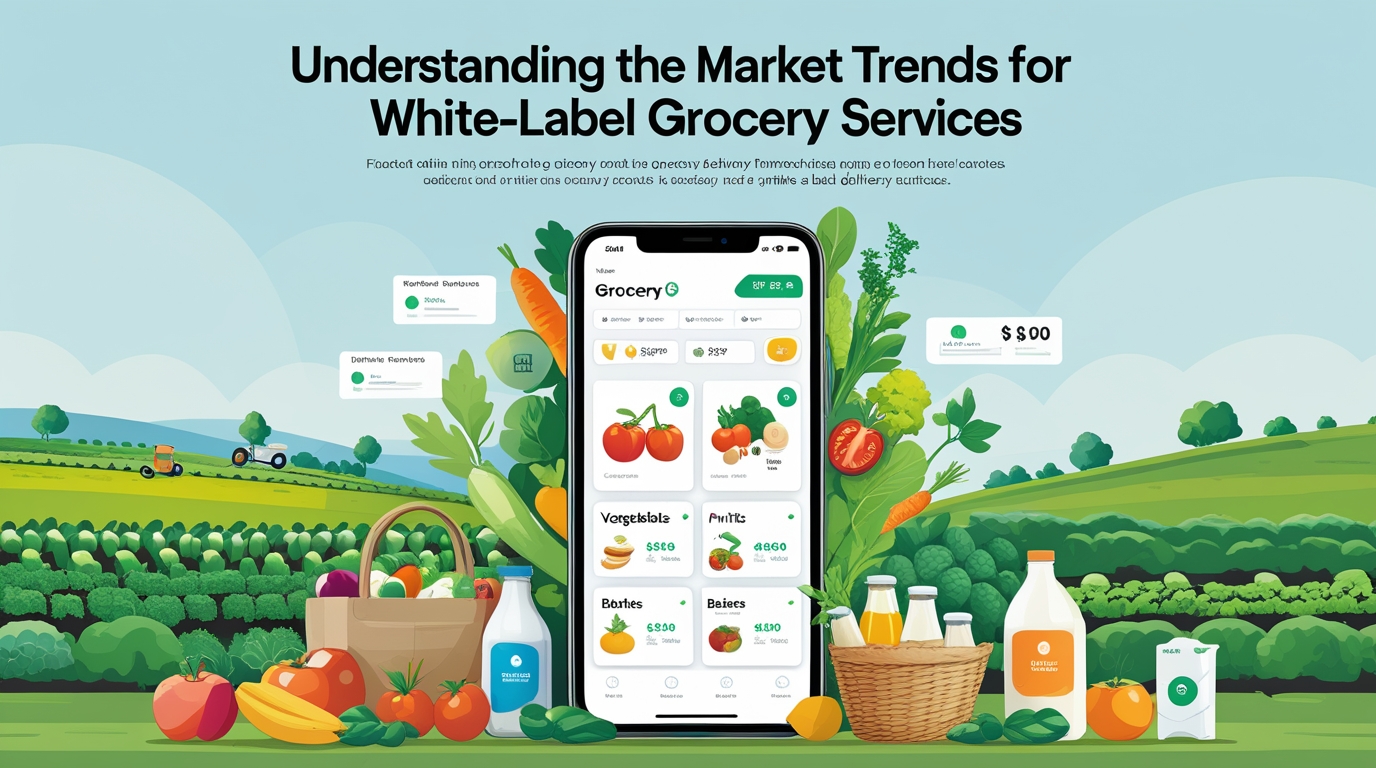
The grocery delivery landscape has transformed dramatically over the past decade. What once was a niche convenience service has evolved into a sophisticated market driven by customer expectations, cutting-edge technology, and shifting retail strategies. Within this context, white-label grocery delivery services have emerged as a powerful model that enables retailers, startups, and local businesses to launch branded, flexible delivery solutions without building their own logistics tech from scratch.
In this comprehensive blog, we explore the latest market trends shaping white-label grocery delivery, the forces driving growth, major technological innovations, and what businesses need to know to stay competitive in this rapidly evolving industry.
What Are White-Label Grocery Delivery Services?
A white-label grocery delivery service is essentially a ready-to-use platform provided by a third-party technology provider that businesses can brand as their own. Instead of building a grocery delivery app or system from zero, companies leverage these pre-built solutions—customizing branding, workflows, and features to reflect their unique identity. This approach significantly reduces development time, cost, and technical complexity while enabling faster market entry.
These services typically include customer apps, admin dashboards, delivery tracking, payment integration, inventory management, and other core features needed to operate a grocery delivery service. For startups or existing grocery retailers, this model provides a customizable springboard to compete with bigger players like Instacart, Amazon Fresh, and others.
The Bigger Market: Growth of Online Grocery Delivery
Online grocery delivery isn’t just a trend—it’s a structural shift in consumer behavior. The pandemic accelerated adoption, but even post-pandemic, online grocery services continue to grow robustly. According to market reports, online grocery ordering has seen explosive growth in recent years, with mobile platforms dominating the space and express delivery services experiencing substantial adoption rates.
Key Drivers of Growth
1. Changing Consumer Preferences
Convenience has become a priority for modern consumers. Busy lifestyles, urbanization, and the digital mindset have shifted purchasing behavior toward online channels. Many shoppers now expect groceries to be delivered to their doorstep with the same ease as any other e-commerce purchase.
2. Rapid Technological Advancements
Technology—especially mobile apps, AI, machine learning, and advanced logistics algorithms—is at the heart of this transformation. These innovations increase operational efficiency, improve delivery times, enable real-time tracking, and create personalized shopping experiences.
3. Expansion of Delivery Networks
Major players and local chains alike are expanding their delivery coverage. Partnerships with local stores, third-party logistics providers, and hyperlocal fulfillment centers are helping companies serve more customers across broader geographies.
4. Subscription and Loyalty Models
Subscription models offering scheduled deliveries of essentials (like weekly groceries) and loyalty programs are becoming common. These strategies foster repeat business and secure predictable revenue streams for service providers.
White-Label Grocery Delivery: Core Market Trends
Now that we understand the broader market, let’s dive into the specific trends shaping white-label grocery delivery services.
1. Hyper-Personalized Customer Experiences
Modern white-label platforms harness data analytics and AI to tailor the shopping experience to individual customer preferences. These personalized features can include targeted product recommendations, customized promotional offers, and adaptive user interfaces that enhance engagement and retention.
With AI and machine learning capabilities becoming more accessible, even smaller grocery businesses can offer intelligent features that were once exclusive to major players—a significant competitive advantage.
2. Focus on Hyperlocal and Ultra-Fast Delivery
Customers today not only want convenience but speed. The rise of hyperlocal services—delivery within 30 minutes or less—is influencing consumer expectations worldwide. Businesses are investing in micro-fulfillment centers and optimizing delivery operations to meet these demands.
This trend isn’t limited to developed markets; even emerging markets are seeing local grocery stores adopt hyperlocal delivery models to compete with national platforms.
3. Integration of Advanced Technologies
AI, machine learning, and automation are no longer optional. White-label platforms are increasingly offering:
- Predictive routing for optimized deliveries
- Inventory forecasting
- Voice-enabled ordering
- Chatbots and virtual assistants
- Real-time tracking for customers and drivers
These capabilities improve efficiency and reduce operational costs, enabling better user experiences and quicker service.
Some futuristic implementations even explore autonomous delivery vehicles and drones—indicating the direction of long-term innovation.
4. Omni-Channel and Mobile-First Adoption
Mobile app usage dominates grocery delivery platforms, with the majority of users placing orders through their smartphones. White-label services often provide mobile-first solutions optimized for iOS and Android, ensuring a seamless user experience.
At the same time, integration with web platforms and offline channels helps create a comprehensive omni-channel shopping experience that caters to diverse customer preferences.
5. Subscription and Recurring Revenue Models
Businesses are increasingly bundling grocery delivery with subscription offerings. This includes:
- Scheduled grocery deliveries
- Bulk order plans
- Membership perks like free delivery
- Bundled offerings for essentials
Subscription models enhance customer loyalty, smooth revenue flows, and improve lifetime customer value—key goals for any modern grocery delivery business.
6. Sustainability and Green Logistics
As consumers become more eco-conscious, sustainable practices are rising in importance. This includes eco-friendly packaging, electric or low-emission delivery vehicles, and optimized route planning to reduce carbon footprints. While still in early adoption, sustainability initiatives are gaining traction as differentiation drivers in competitive markets.
7. Local Partnerships and Regional Focus
White-label delivery services empower local grocery stores to take on larger competitors. By offering a branded app and localized service, smaller grocers can strengthen their relationships with nearby customers and foster community loyalty. This local focus is especially beneficial in areas where global players have limited reach.
Challenges and Considerations
Even as the white-label grocery delivery market thrives, businesses must navigate several challenges:
Logistics and Supply Complexity
Managing delivery logistics—especially in areas with high traffic or inconsistent infrastructure—can be complex. Efficient route optimization and inventory management are crucial.
Competitive Pressure
Large players like Amazon Fresh and hyperlocal startups are investing heavily in delivery speed and coverage, which raises the stakes for new entrants.
Differentiation
Using a white-label platform that multiple competitors also use means that branding, user experience, and customer service must be excellent to stand out.
Customization Limitations
While white-label platforms are customizable to a point, deep structural custom changes might still require negotiation with the technology provider or additional investment.
Future Outlook
The future of white-label grocery delivery services looks promising. Here’s what to expect next:
Continued Growth and Adoption
With consumer expectations shifting toward convenience and speed, grocery delivery is no longer optional—it’s a core channel for modern retailers.
Partnerships Between Tech Providers and Retailers
Strategic alliances between delivery platform providers and grocery chains will deepen, enabling more seamless logistics and data exchange.
AI-Driven Operational Innovation
Artificial intelligence will continue redefining efficiencies in demand forecasting, personalization, routing optimization, and driver logistics.
Diversification of Services
Delivery services may extend beyond groceries to include household essentials, prepared meals, medicine, and even local retail offerings through the same platform.
Conclusion
White-label grocery delivery services represent one of the most dynamic segments of the modern retail ecosystem. As technology reshapes how consumers shop and retailers compete, these platforms offer a powerful, scalable, and cost-effective entry point into the booming grocery delivery market.
From integrating advanced AI and personalized experiences to tapping into subscription revenue models and hyperlocal logistics, the trends clearly point toward an increasingly digital and customer-centric approach. Businesses that understand these market forces and adapt strategically will be well-positioned to thrive in a future where convenience and speed define retail success.
FAQs
1. What exactly is a white-label grocery delivery service?
A white-label grocery delivery service is a pre-built delivery platform that businesses can brand as their own, allowing them to offer grocery delivery without building the technology from scratch.
2. Why are white-label solutions popular for grocery delivery businesses?
They are cost-effective, reduce time-to-market, eliminate technical hurdles, and provide scalable infrastructure for new and existing businesses.
3. What trends are shaping the future of grocery delivery?
Key trends include hyper-fast delivery, AI-powered personalization, subscription models, sustainability initiatives, and mobile-first experiences.
4. Are there limitations to using a white-label platform?
Yes, deep customization may be limited, and since several businesses may use similar platforms, strong branding and user experience are crucial for standing out.
5. Can small grocery stores benefit from white-label grocery delivery apps?
Absolutely. They can extend their reach, enhance customer loyalty, and compete with larger players by offering branded, localized delivery services