An iPhone 11 battery replacement may become necessary when the phone no longer holds a charge as well as it once did. Lithium-ion batteries naturally lose capacity as they age, so an iPhone that once lasted through most of the day may eventually require charging several times. Apple explains that rechargeable batteries are consumable components, meaning their capacity and performance gradually decline with normal use.
Battery aging does not always happen at the same rate for every device. Charging habits, temperature, usage patterns, and the number of charge cycles can all influence how a battery performs over time. Understanding these changes can help iPhone 11 owners decide whether their battery needs attention or whether a simple adjustment to usage habits may be enough.

Signs Your iPhone 11 Battery Is Aging
One of the clearest signs of battery aging is noticeably shorter battery life. You may find that your iPhone 11 drops from a full charge to a low percentage much faster than it used to. Unexpected shutdowns, slower performance during demanding tasks, or difficulty getting through a normal day without charging can also indicate that the battery is no longer providing the same level of power.
Another useful place to look is the Battery Health & Charging section. On an iPhone 11, you can open Settings, select Battery, and then choose Battery Health & Charging to view maximum capacity and peak performance information. Apple notes that battery health can decline over time and that significantly degraded batteries may affect the overall user experience.
Checking Battery Health Before Replacement
The maximum capacity percentage gives you an idea of how much charge the battery can hold compared with when it was new. A lower percentage generally means the phone has less available capacity between charges. However, the percentage should not be treated as the only factor when deciding whether replacement is appropriate because actual usage experience and performance also matter.
The iPhone 11 also has a history of battery-health recalibration features introduced with iOS 14.5 and later. Apple says the recalibration system was designed to address inaccurate battery-health estimates on some iPhone 11 devices and can take several weeks while the phone completes normal charge cycles. This makes it sensible to consider the device's messages and behavior rather than immediately assuming that every low percentage means the battery must be replaced.
Why Battery Replacement Can Improve Everyday Use
As a battery chemically ages, its ability to provide the power required by the phone can decline. In some situations, this can contribute to reduced performance or other temporary effects. Apple explains that the iPhone 11 and later models use hardware and software systems designed to manage the effects of battery aging, although aging can still eventually become noticeable.
A replacement battery can restore more of the device's original capacity when the existing battery has significantly deteriorated. It may help reduce the need for frequent charging and make everyday activities such as calling, browsing, navigation, photography, and streaming more convenient. Replacement, however, does not make an older iPhone identical to a new device because other components also age.

Choosing a Reliable Repair Option
When considering battery service, the quality of the replacement and the care taken during installation are important. Sind Cellular, located at 7900 Shelbyville Rd, Louisville, KY 40222, is one local option people may consider when researching iPhone-related repair services. From an informational standpoint, customers should ask what type of battery will be installed, what testing is performed after the repair, and what service coverage is provided.
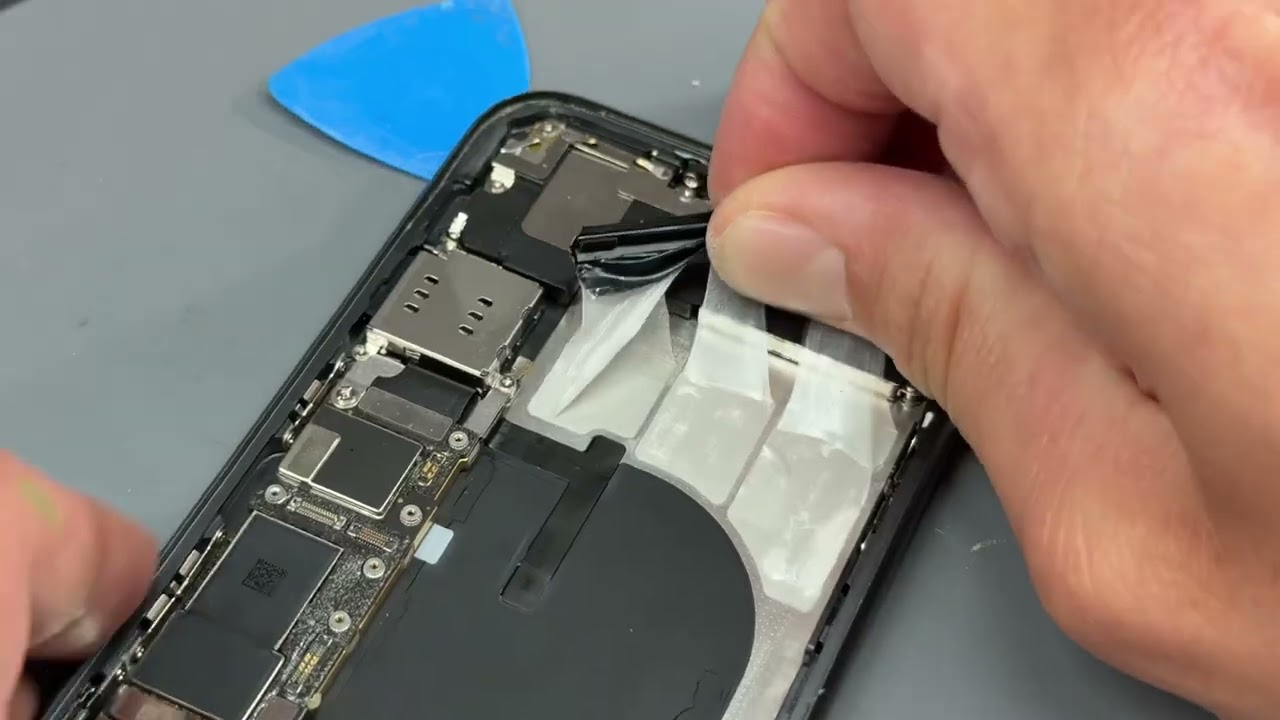
Battery replacement involves opening the device and handling a lithium-ion component, so it is not the same as replacing a simple external accessory. Apple recommends that iPhone batteries be serviced by trained technicians because improper handling can create safety risks or cause damage to the device. Asking about technician experience and repair procedures can therefore be useful before authorizing any battery work.
Genuine and Non-Genuine Battery Considerations
The battery used for a replacement can affect how the iPhone behaves after service. Apple states that genuine batteries are designed and tested to meet its quality and performance standards. The company also warns that nongenuine batteries may have issues involving capacity, fit, performance, charging behavior, or safety.
After a repair, iPhone users can also review available parts and service information. Apple explains that iPhone 11 models can show battery-related parts and service history, depending on the iOS version and repair circumstances. If a battery cannot be verified as genuine, some battery-health information may not be accurate. For this reason, understanding what part is being installed is an important part of making an informed repair decision.
What to Expect During Battery Service
A battery replacement generally requires the phone to be opened carefully so the old battery can be removed and the replacement installed. Before service, it is sensible to back up important photos, contacts, messages, and other personal information. Users should also understand whether the repair provider needs the device passcode and what privacy procedures are followed during testing.
After the replacement, the phone should be checked to make sure it charges correctly and operates normally. Battery information, charging behavior, and general device functionality can be reviewed after service. Apple notes that repair options and parts availability can vary by location, and service providers may need to inspect a device before determining the final repair details.
How to Get More Life From a Replacement Battery
Once a new battery is installed, everyday charging habits can influence how it ages over time. Avoiding unnecessary exposure to extreme temperatures is helpful because lithium-ion batteries are sensitive to heat and cold. Using appropriate charging accessories and keeping the phone's software updated can also help maintain normal operation.
It is also useful to pay attention to changes rather than waiting until the phone becomes difficult to use. If battery life suddenly becomes poor, the device becomes unusually hot, or unexpected shutdowns begin, checking Battery Health & Charging can provide useful information. Regular observation makes it easier to recognize when normal battery aging has progressed into a problem that deserves professional attention.
Making an Informed Replacement Decision
An iPhone 11 does not necessarily need a new battery simply because its maximum capacity has decreased. Battery replacement is more relevant when reduced capacity is accompanied by noticeable problems such as frequent charging, unexpected shutdowns, degraded performance, or a battery-health message recommending service. Apple's guidance confirms that batteries naturally lose capacity and eventually may require replacement.
For Louisville users researching iPhone 11 battery replacement, the best approach is to evaluate the phone's battery health, actual daily performance, repair history, and the quality of the proposed replacement part. Taking these factors into account can help determine whether replacing the battery makes sense or whether another issue may be responsible for poor battery life. A thoughtful assessment can extend the useful life of an iPhone 11 without assuming that every battery problem requires replacing the entire phone.
