Avoid Losing Bets Using These Underrated Horse Racing Tips Today
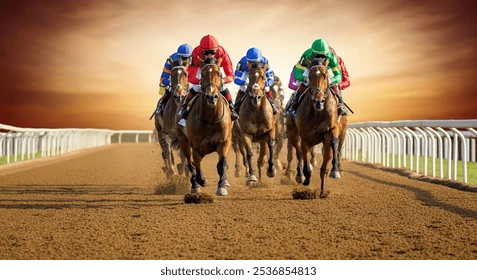
In the exhilarating world of equine competition, success often hinges on a blend of meticulous preparation, keen observation and unwavering self-discipline. Our racing tips dive into little-known strategies that the majority overlook, offering a fresh perspective on how to approach each fixture with confidence and clarity. Whether you’re a weekend enthusiast or someone seeking to refine their method, this guide arms you with tools to avoid unnecessary losses and elevate your enjoyment of the sport.
Know Your Contenders Inside Out
An intimate familiarity with each participant’s career record and physical attributes is absolutely crucial. Don’t merely glance at headline victories—delve into their complete profile, noting patterns such as how they respond to mid-distance heats versus sprints, whether they prefer soft or firm going, and if they possess a tendency to finish strongly or fade late on. Cross-compare their seasonal form lines, looking for horses that consistently outperform expectations. Seek out those quiet improvers whose recent efforts have flown under the radar. By charting these finer details, you’ll develop a nuanced understanding of which runners have the genuine potential to shine on race day and which might struggle under specific conditions.
Analyse Track Conditions Meticulously
Each racecourse possesses its own quirks: cambers, undulations, drainage quality and the degree of cushion in the turf all impact how a contest unfolds. Monitor weather forecasts in the days leading up to a meeting—an inch of overnight rain can transform a sound piece of ground into a testing surface, favouring robust types over nimble speed merchants. Conversely, persistent sunshine can render the going firm, allowing fleet-footed performers to strut their stuff. Don’t underestimate subtle shifts: a wind blasting up the straight can make coming from behind a tall order, whereas a crosswind might unsettle those less accustomed to battling air resistance. By committing yourself to track-condition analysis, you’ll sidestep many costly surprises.
Study Jockey and Trainer Synergies
Top yards often maintain enviable strike-rates, but true excellence emerges when certain riders and trainers join forces. Identify pairings that deliver an above-average win percentage and investigate why these partnerships flourish. It may be down to the rider’s intimate familiarity with a trainer’s stable stars or a shared affinity for particular track surfaces. Equally, be mindful of behavioural patterns: some riders excel in big-field handicaps, while others thrive in low-draw sprints. Note any recent changes—perhaps a leading stable has replaced its retained rider or a successful jockey has shifted allegiances. Capitalising on these insights can significantly sharpen your selection process.
Evaluate Recent Workouts and Sharpness
The public form book tells one story, but the hidden schooling gallops often reveal much more. When possible, review morning reports from racecourses or private training grounds: a valiant piece of work can signal readiness, whereas a lacklustre spin may hint at a horse needing more preparation. Compare the intensity of recent breezes to those of its rivals and consider whether such work was over a similar distance to the upcoming event. Factors like going on the gallops versus all-weather surfaces can provide further clues: some horses relish the pounding of a synthetic track, whereas others only truly come alive on turf. By weaving these workout observations into your analysis, you arm yourself with an edge few casual observers possess.
Map Out Pace Scenarios
Every race is a tactical chess match, with pace at its heart. Assemble a provisional map: which runners are likely to spear to the front? Which possess enough zip to be prominent without blowing themselves out? Consider those patient types who bide their time towards the rear, and reflect on whether the race lacks genuine pacemakers—often leading to a sprint finish that favours those with latent speed. You can then envisage whether a strongly run contest will be a stern examination of stamina or a dash where early speed tells. This mental exercise helps pinpoint which types of horse will prosper in the unfolding narrative, and which may find their preferred race shape non-existent.
Hunt for Value in Market Movements
While favourites may command significant market support, true satisfaction often arrives from identifying those whose chances are underestimated. Monitor how odds (or their equivalents) shift in the hours before the off: a sudden swing towards a particular runner might reflect fresh information or a wave of well-informed backers spotting something amiss with others. Contrast these shifts against the broader price board—if a well-related contender drifts despite no discernible drop in form, it may offer genuine merit. Conversely, beware of the herd mentality pushing certain names so short that the potential return dwindles to near insignificance. By marrying form analysis with market intelligence, you position yourself to seek out genuine opportunities rather than follow the crowd.
Embrace Sound Risk-Management Techniques
One of the most overlooked elements is preserving your overall resource for the long haul. Instead of splurging disproportionately on any single event, consider dividing your allocation into consistent, modest portions, ensuring that a handful of setbacks won’t derail your entire plan. Establish a maximum per-race limit and adhere to it relentlessly. Should a negative run strike, resist the urge to overcompensate in subsequent contests: temper emotional reactions with the same rational approach you apply when selecting runners. Over time, this stoic discipline will prevent catastrophic drawdowns and foster sustainable engagement with the sport.
Cultivate Emotional Discipline and Patience
Excitement is undeniably part of the thrill, but succumbing to adrenaline-fuelled decisions often leads to unnecessary losses. Develop the habit of pausing before each commitment—ask yourself if you’re truly making an informed choice or simply chasing the previous disappointment. Celebrate small victories and treat defeats as valuable lessons rather than personal affronts. Maintain a journal of every selection: record your reasoning, note the outcome, and periodically review to detect any recurring blind spots or biases. This practice not only refines your intuitive sense but also trains you to detach emotionally, making rational decisions even under pressure.
Utilise Expert Commentary with Caution
Media pundits and pundits’ previews can offer helpful pointers, but remember they speak to mass audiences and sometimes sensationalise angles for effect. Treat expert views as supplementary: if several respected voices converge on a particular selection, it might underscore genuine strength, yet you should still cross-verify with objective data. Conversely, contrarian views—when grounded in solid reasoning—can signal overlooked contenders. Keep a balanced approach: let your own research remain the primary driver, using external opinions only as a secondary filter.
Understand Draw Bias and Stall Positions
Some courses and distances exhibit a pronounced bias towards inside or outside stalls, significantly influencing finishing positions. Investigate historical data for the specific race and distance to determine if low or high draws tend to prevail. Combine this with knowledge of individual running styles: a horse that shows prominently may benefit from an inside berth, while a closer might prefer an outside gate to avoid traffic in tight turns. Adjust your selections accordingly, favouring those whose stall aligns with both the track bias and their preferred racing style.
Incorporate Sectional Timing Insights
Modern fixtures often publish sectional times—how fast a horse travels through each part of the course. Studying these splits can reveal whether a runner is predominantly a speed machine or an enduring stayer. Rather than relying on overall finishing times alone, dissect the mid-race pace versus the final furlong dash. Horses that conserve energy early and produce a blistering closing split may be primed for contests where leaders tire, whereas those that dominate initial sections might struggle to sustain their speed under a true stamina test.
Monitor Stable and Horse Form Cycles
Every yard goes through peaks and troughs in performance. A stable on a purple patch can produce multiple winners across a meeting, while others may be nursing a break between successes. Look for trends such as consistent placings or winners from a particular barn over recent weeks. Similarly, individual horses often follow cycles: some thrive when raced frequently, others require a break after a campaign to recharge. Tailor your entries to those whose current outing schedule matches their proven form cycle, thereby exploiting periods of peak fitness.
Factor in Seasonal and Fixture-Specific Trends
Seasonality affects turf conditions and the types of contests staged across the calendar. Early in the season, courses tend to offer fresher going, favouring those enjoying a break over winter. As the year advances, the ground can cut up or dry out, altering the complexion of certain meetings. Additionally, festivals and high-profile fixtures often attract deeper fields, where class can prevail over local handicappers. Conversely, midweek all-weather cards may present softer opposition, ideal for a promising prospect. Align your strategy with the seasonal ebb and flow to target races where your chosen candidates enjoy the clearest path to success.
Leverage Technology and Data Analytics
With the proliferation of advanced databases and performance-tracking platforms, you needn’t rely solely on manual form study. Utilise reputable services that aggregate metrics such as speed ratings, pace maps and trainer strike-rates under various conditions. Many apps now allow custom alerts when a horse meets a particular performance profile or if market movements exceed your preset thresholds. Integrating these tools into your workflow ensures you capture late-breaking insights and maintain a comprehensive, up-to-date view of every contest.
Network with Industry Insiders
Finally, never underestimate the value of firsthand observations and informal chatter from stable staff, on-course scribes and fellow aficionados. While off-the-record comments must be treated cautiously, they can sometimes corroborate subtleties—such as a small physical tweak or a significant schooling breeze—that don’t make it into the public form. Attend morning gallops when possible, strike up conversations in parade rings and join knowledgeable online forums. These personal connections often yield the marginal gains that, in a field of near-equals, can separate a smart selection from a near miss.
Delve into Handicap Ratings and Class Levels
A nuanced grasp of the handicap system can unlock hidden potential. Examine a runner’s official mark in conjunction with the weight it carries: a drop of even a few pounds compared to its last outing can be transformative, especially when penned up by a high draw or testing ground. Contrast this with newcomers to the handicap ranks—they may receive lenient marks that don’t fully reflect untapped ability. Likewise, study the class of the race: a “finder’s fee” allowance event might mask future stars, while a step up in grade demands proof of genuine quality. By discerning when to back a well-treated handicapper or side with an improving novice, you’ll uncover value far from the obvious.
Anticipate Late Scratches and Field Changes
The morning-of declaration stage can radically alter a contest’s complexion. A single withdrawal of a designated pacemaker can transform a run-at-your-own-pace dash into a tactical muddle, while the loss of a marked improver may open the door for stable companions to seize an unexpected opportunity. Track the scratch sheets closely, noting any jockey switches or additional declarations. Aim to finalise your selections only after the final confirmation, adjusting your view in real time to capitalise on shifting dynamics that catch less diligent onlookers off guard.
Consider International Form and Shipments
In today’s global circuit, imports from other jurisdictions often bring untapped talent onto domestic soil. However, not every traveller adapts seamlessly: shipping stress, unfamiliar track characteristics and regulatory differences can blunt performance. Investigate prior international outings—did the horse handle comparable conditions abroad? Have similar imports from the same yard fared well on these circuits? Consult quarantine updates and pre-export gallop reports to ensure any reported shippers look genuinely at ease. When an overseas raider meets all these favourable checks, it can represent a rare opportunity at substantial value.
Develop a Multi-Race Seasonal Strategy
Rather than chasing isolated opportunities, frame your focus over a series of meetings and distances. Some runners thrive when campaigned over a campaign of mile contests, escalating to ten-furlong tests as they mature. Others demand a change of scenery, shining only on left-handed tracks or under floodlights. Map out a seasonal calendar for your favoured types, pinpointing events where conditions and ground historically suit their profile. This holistic perspective prevents short-sighted punts on marginal situations and instead fosters a patient, informed approach that leverages longitudinal patterns.
Guard Against Impulse Decisions with Pre-Set Criteria
Create a personal checklist of non-negotiable criteria before committing to any selection: essential factors might include minimum class-rated form, a positive jockey-trainer combination, favourable draw, and ground within preferred parameters. If a horse fails on even one front, refrain from backing it regardless of tempting early market moves. This disciplined framework serves as a bulwark against spur-of-the-moment choices driven by fleeting hunches or peer pressure. Over time, adhering strictly to your own quality benchmarks cultivates consistency and shields you from the pitfalls of emotional overreach.
Track Jockey Booking Patterns and Riding Incentives
Jockeys often carry multiple engagements on a single card, yet their committed mounts—where a top rider accepts the call days in advance—usually hint at a genuine endorsement of a runner’s prospects. Conversely, late vacancies filled through courtesy can signal less conviction. Monitor agents’ riding plans and be alert to last-minute changes: a premium jockey shifting from one mount to another often speaks volumes about confidence levels within the inner circle. By weighing these subtleties, you’ll gain further assurance in favouring those combinations enjoying true professional backing.
Conclusion
Harnessing these underrated strategies will transform your approach from hit-and-miss to systematically informed. By mastering form study, track-condition analysis, jockey-trainer combinations, pace mapping and market fluctuations, you’ll elevate every fixture into a finely calibrated challenge. Pair this with steadfast bankroll management and emotional discipline, and you’ll navigate the exhilarating world of equine sport with both confidence and composure. Remember, genuine success isn’t built on fleeting strokes of fortune but on the bedrock of careful preparation, critical self-evaluation and unwavering patience. Here’s to clearer thinking, sharper insights and, above all, a more rewarding experience on every course you encounter.