How to Safely Operate AAC Block Making Machines: A Practical Guide for Plant Owners and Workers
As India’s construction industry moves toward smarter and greener solutions, AAC Blocks (Autoclaved Aerated Concrete Blocks) are quickly becoming the go-to choice for builders. These blocks are lighter, stronger, and more energy-efficient than traditional bricks—and they’re made using specialized equipment known as AAC Block Making Machines. Whether you're running a large factory or a small AAC block plant, one thing remains constant: operating your AAC Block Machinery safely and efficiently is absolutely essential.
Let’s walk through the key safety practices and operational tips every plant owner, manager, and machine operator should know.
Understanding Your AAC Block Making Setup
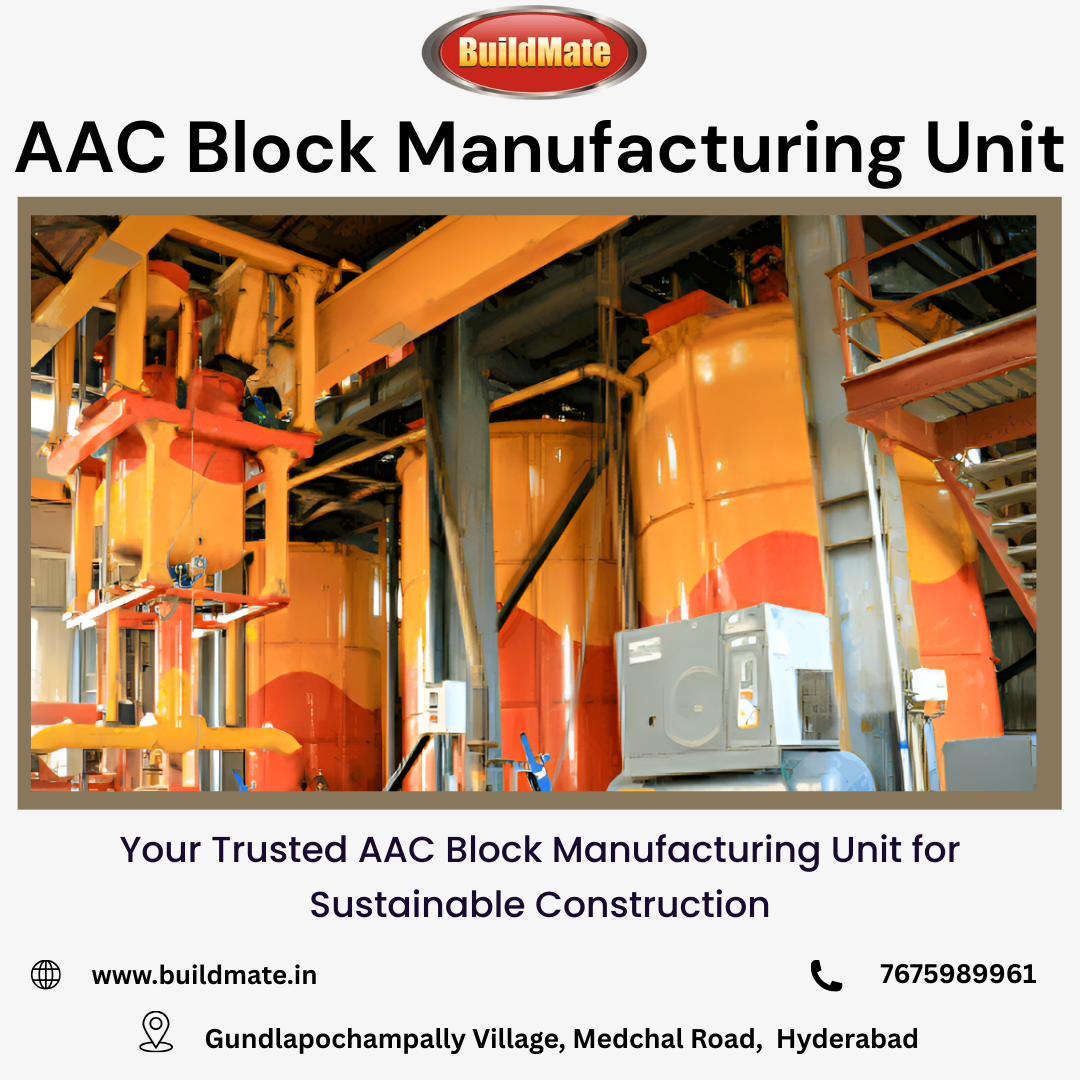
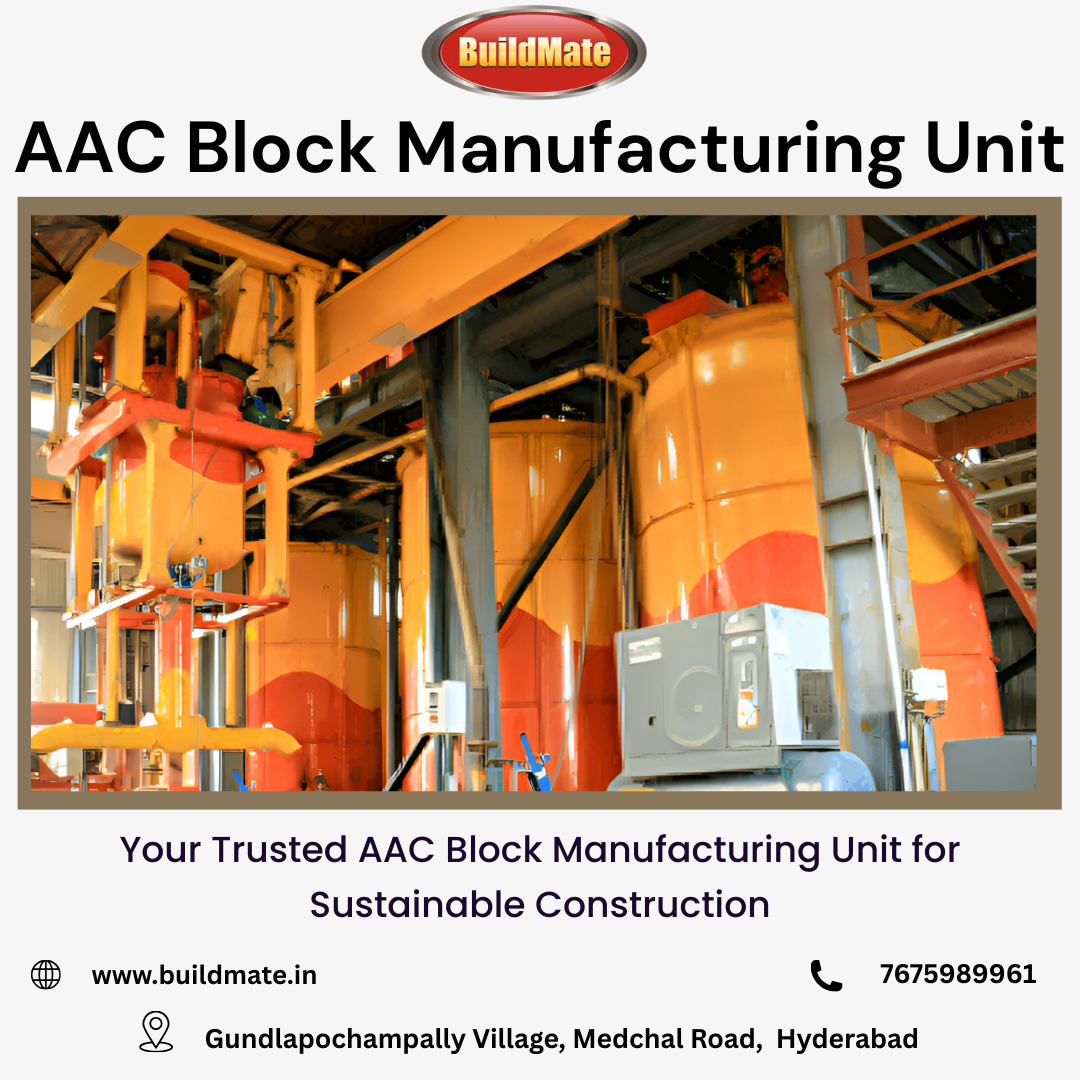
At the heart of every AAC Block Plant is a complex set of machines working together—from raw material mixing to autoclaving and final product handling. The equipment usually includes:
Mixing and dosing units
Pouring and mould systems
Precision cutting machines
High-pressure autoclaves
Conveyors and handling tools
Whether your plant is fully automated or semi-automatic, proper use and regular care of these AAC machines are crucial for smooth production and worker safety.
Safety Starts Before the Machines Turn On
1. Always Inspect Before You Start
Before powering up your equipment:
Check for any visible damage or unusual wear on the machines.
Make sure safety guards and locks are properly in place.
Test emergency stop buttons to ensure they work.
Confirm power sources and wiring are stable and secure.
A quick inspection can prevent unexpected breakdowns—and keep everyone safe.
- Train Your Team – Knowledge is Safety
No matter how advanced your AAC plant machinery is, it’s only as safe as the people operating it. Ensure every machine operator:
Understands the entire production process of AAC blocks.
Has received hands-on training specific to your machines.
Knows how to spot and report potential hazards.
Is trained in emergency response and first aid.
Well-trained staff in any AAC plant, big or small, can prevent accidents and improve productivity.
- Protective Gear is a Must
Working with heavy machinery and raw materials like lime, fly ash, and aluminum powder requires personal safety equipment. Your team should always wear:
Helmets and safety shoes to prevent injury from falling or sharp objects.
Gloves when handling chemicals or working near hot surfaces.
Dust-proof goggles to protect eyes during mixing and cutting stages.
Ear protection near noisy equipment like autoclaves.
A culture of safety, including consistent PPE use, creates a more professional and secure work environment.
Best Practices During Operation
When machines are in use:
Never disable or bypass any safety mechanisms.
Avoid overloading the machines beyond their capacity.
Keep hands and tools away from moving parts—use push tools or automation wherever possible.
For lifting or moving heavy items, especially in large AAC block plants, always use cranes, forklifts, or hoists.
Remember, shortcuts in safety can cost you far more than time.
Routine Maintenance: Protect Your Investment
Regular maintenance isn’t just about extending the life of your AAC machines—it’s about avoiding dangerous malfunctions.
Stick to a strict maintenance schedule recommended by your AAC plant suppliers.
Replace parts only with manufacturer-approved spares.
Keep detailed logs of inspections and repairs for accountability and compliance.
Even in a small AAC block plant, maintenance is key to avoiding costly downtime.
Plan Ahead: Be Ready for Emergencies
Your AAC block plant should always have:
Clearly marked emergency exits and evacuation plans.
First aid kits and fire extinguishers in accessible spots.
A designated safety officer or team to manage incidents.
Regular drills to keep staff prepared for any situation.
Proactive planning can save lives and reduce damage if something does go wrong.
Is Safety Worth the Cost? Absolutely.
Yes, setting up an AAC plant—whether it’s a small AAC block plant or a large operation—requires significant investment. AAC block plant costs can range based on capacity and automation levels. But cutting corners on safety can lead to far more expensive consequences: injuries, fines, lost production time, or machine damage.
In fact, investing in safety often reduces long-term costs by improving efficiency and minimizing unplanned downtime.
Stand Out with Safe and Efficient AAC Block Production
As more builders, contractors, and developers turn to AAC blocks in India, running a reliable and safe production facility is a major advantage. In regions like Hyderabad, where demand is rising, clients are increasingly looking for trusted, responsible AAC block plants that deliver consistent quality without compromising on safety or compliance.
Conclusion: Work Smarter, Safer, and Better with the Right Partner
Running a safe, productive AAC block plant is about more than just machines—it’s about people, processes, and planning. Choosing the right equipment, providing proper training, and maintaining your machinery are all part of the equation.
Looking for a trusted supplier of AAC block making solutions?
Visit Buildmate – one of the leading AAC plant suppliers in India. Buildmate offers complete support for AAC block machinery, whether you're starting a small AAC block plant or expanding an existing facility. From equipment selection to installation, safety training, and maintenance, Buildmate helps you build better—with safety and success in mind.