Building a High-Performance Emergency Response Team: Key Roles and Responsibilities
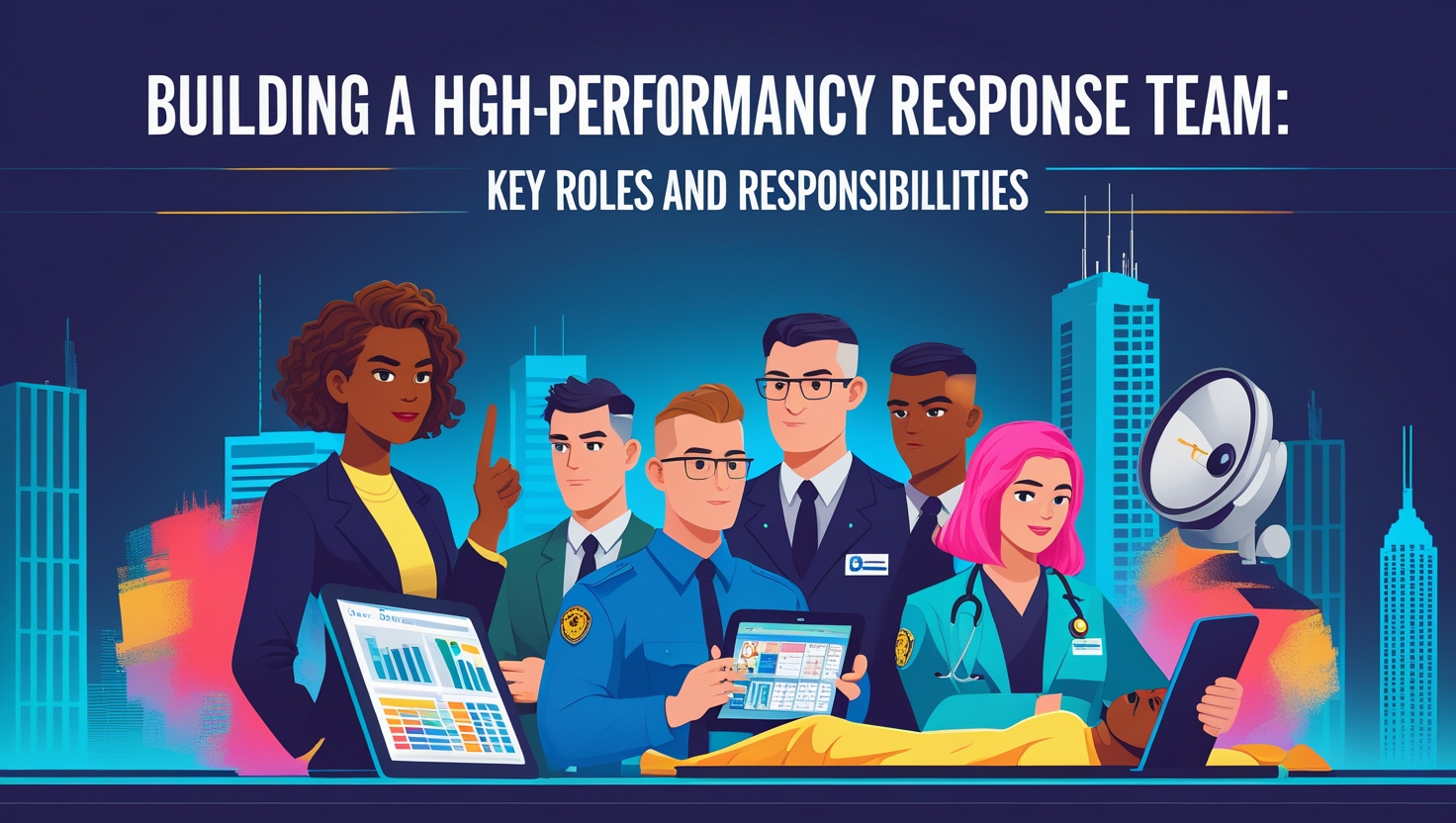
Building a high-performance emergency response team is crucial in ensuring rapid and effective response to various crisis situations. This article explores the key roles and responsibilities within such teams, emphasizing the importance of leadership, coordination, training, communication strategies, technology utilization, and continuous improvement. By understanding the fundamentals of emergency response team dynamics, organizations can enhance their preparedness and response capabilities to safeguard lives and property during emergencies.
Introduction to High-Performance Emergency Response Teams
In the chaos and urgency of emergency situations, having a well-prepared and highly effective response team can make all the difference. High-performance emergency response teams are like the superheroes of crisis management, swooping in to save the day with precision and expertise.
Understanding the Importance of Effective Emergency Response
When disaster strikes, whether it's a natural calamity or a man-made crisis, a swift and efficient emergency response can save lives and minimize damage. Being able to respond effectively requires not only quick thinking and courage but also a well-organized team with clearly defined roles and responsibilities.
Key Roles and Responsibilities of Emergency Response Team Members
In the world of emergency response, every team member plays a crucial role in ensuring a successful outcome. From the leader who steers the ship to the medical personnel providing critical care, each role is vital to the overall effectiveness of the team.
Role of Incident Commander
The incident commander is like the captain of the ship during a crisis, responsible for making critical decisions, coordinating resources, and ensuring that the team operates smoothly and efficiently.
Responsibilities of Medical Personnel
Medical personnel are the heroes on the front lines, providing life-saving care to the injured and ensuring that medical resources are utilized effectively in high-stress situations.
Duties of Safety Officers
Safety officers are the guardians of well-being, making sure that safety protocols are followed, risks are minimized, and the team operates in a secure environment.
Leadership and Coordination in Emergency Response
Effective leadership and seamless coordination are the backbone of a successful emergency response operation. Without clear leadership and well-coordinated efforts, chaos can quickly ensue, leading to potential disaster.
Establishing Chain of Command
Establishing a clear chain of command is essential in ensuring that decisions are made swiftly, communication flows smoothly, and everyone knows their role within the team hierarchy.
Coordinating Multi-Agency Response
In complex emergencies that require the involvement of multiple agencies and organizations, coordination becomes even more critical. Ensuring that everyone is on the same page and working towards a common goal is key to a successful multi-agency response.
Training and Development for Emergency Response Team Members
Behind every successful emergency response team is a solid foundation of training and continuous skill development. Training ensures that team members are prepared for the challenges they may face and equipped with the knowledge and skills to handle any situation.
Initial Training Requirements
Initial training lays the groundwork for team members, providing them with essential knowledge about emergency protocols, communication systems, and basic response procedures.
Ongoing Skill Development Programs
Continuous training and skill development are crucial for keeping emergency response team members sharp and ready to face new challenges. Ongoing programs help team members stay updated on the latest techniques, technologies, and best practices in emergency response.
Communication Strategies for Effective Emergency Response
Utilizing Radio Communication Protocols
When chaos ensues, clear communication is key. Establishing radio communication protocols ensures that vital information is relayed efficiently and accurately between team members. Avoiding radio chaos is as important as avoiding a station that plays the same song on repeat during an emergency.
Implementing Clear and Concise Messaging Systems
In the heat of the moment, there's no time for confusing messages or jargon. Implementing clear and concise messaging systems helps ensure that information is easily understood by all team members. Think of it as sending a text message during a crisis – short, sweet, and to the point.
Utilizing Technology and Tools in Emergency Response
Integration of GIS Mapping for Incident Management
Gone are the days of unfolding paper maps in a frenzy. The integration of GIS mapping technology allows teams to visualize incidents in real-time, making it easier to allocate resources effectively. It's like having a GPS for emergencies – guiding you to the best route to safety.
Leveraging Data Analytics for Resource Allocation
Data isn't just for spreadsheets – it's a powerful tool in emergency response. By leveraging data analytics, teams can analyze patterns and trends to allocate resources where they are needed most. It's like having a crystal ball that tells you where to focus your efforts.
Evaluating Performance and Continuous Improvement in Emergency Response Teams
Conducting After-Action Reviews
Just like a post-game analysis in sports, conducting after-action reviews allows teams to reflect on what went well and what could be improved. It's a valuable opportunity to learn from each emergency response experience and grow stronger as a team. Think of it as watching the instant replay to see where you can make a game-changing play.
Implementing Lessons Learned for Future Preparedness
Experience is the best teacher, and implementing lessons learned from past emergencies is crucial for future preparedness. By continuously improving based on real-life situations, emergency response teams can stay ahead of the curve and be ready for whatever comes their way. It's like studying for a test but instead of cramming the night before, you're preparing for any pop quizzes life throws at you.
Conclusion
The development of high-performance emergency response teams and fostering a culture of continuous improvement, organizations can enhance their readiness to address and mitigate emergency situations effectively. Empowering team members with the necessary skills, tools, and support enables them to respond swiftly and decisively when crises arise, ultimately safeguarding the well-being of individuals and communities.
Frequently Asked Questions
1. What are the key roles in an emergency response team?
The key roles in an emergency response team typically include:
- Team Leader: Oversees the entire operation, coordinates tasks, and ensures communication among team members.
- Medical Officer: Provides medical care and first aid, assesses injuries, and manages health-related issues.
- Logistics Coordinator: Manages resources, supplies, and equipment needed during the emergency response.
- Communications Officer: Handles all communication with external agencies, the media, and within the team.
- Safety Officer: Ensures that all operations are conducted safely and that team members adhere to safety protocols.
- Field Operatives: Execute on-the-ground tasks, including search and rescue operations, crowd control, and support activities.
2. What responsibilities does the Team Leader have?
The Team Leader is responsible for:
- Developing an incident action plan.
- Ensuring effective communication and coordination among team members.
- Making critical decisions during emergencies.
- Engaging with stakeholders and external agencies.
- Monitoring the team’s performance and making adjustments as needed.
3. How can we ensure effective communication within the team?
Effective communication can be ensured by:
- Establishing clear communication protocols and channels.
- Regularly training team members on the use of communication equipment.
- Conducting briefings before and after operations to clarify objectives and debrief on performance.
- Using technology, like radios or mobile apps, to facilitate real-time communication.
4. What training is essential for an emergency response team?
Essential training includes:
- First aid and CPR certification.
- Disaster response and management training.
- Incident command system training.
- Specialized training related to specific emergencies (e.g., hazardous materials, search and rescue).
- Team-building exercises to improve coordination and trust among members.
5. How can we measure the performance of our emergency response team?
Performance can be measured by:
- Evaluating response times and the efficiency of operations.
- Conducting after-action reviews to assess what went well and what can be improved.
- Gathering feedback from team members and stakeholders involved in the response.
- Tracking training completion rates and readiness through drills and simulations.
6. What strategies can be implemented to improve team resilience?
To improve team resilience, consider:
- Regular training and simulations to prepare for various scenarios.
- Building a supportive team culture that encourages open communication and mental well-being.
- Ensuring adequate rest and recovery periods for team members after deployments.
- Establishing clear roles and responsibilities to minimize confusion during emergencies.
2개의 댓글

Great breakdown of key roles and coordination strategies in emergency response teams. The concept of an extended team can be a powerful model here as well — allowing organizations to scale quickly and tap into specialized expertise when responding to crises. Definitely worth considering for improving flexibility and performance.
Great breakdown of key roles and coordination strategies in emergency response teams. The concept of an extended team can be a powerful model here as well — allowing organizations to scale quickly and tap into specialized expertise when responding to crises. Definitely worth considering for improving flexibility and performance.