Discover the Importance of Emergency Response Teams
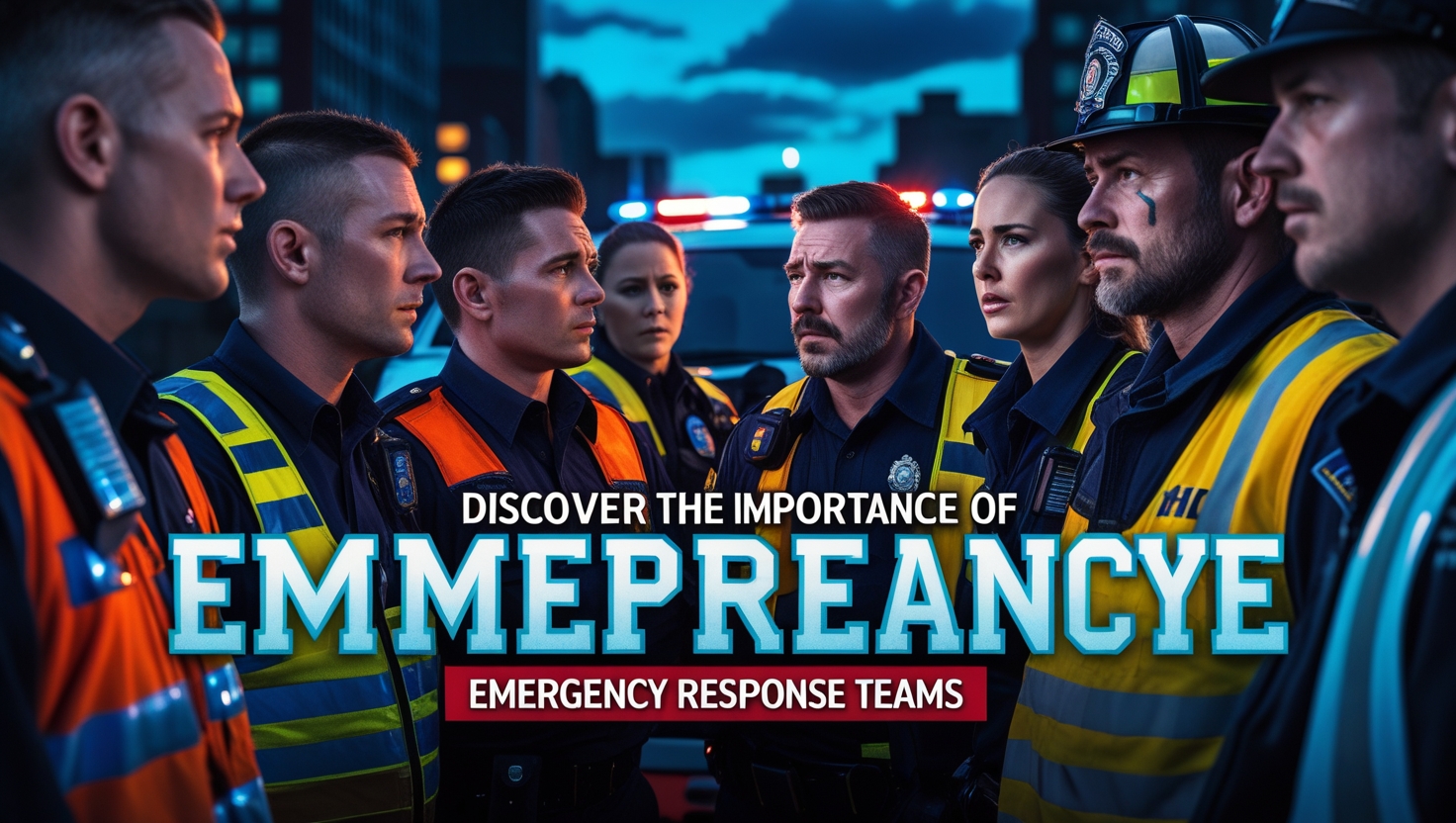
In a world increasingly affected by natural disasters, industrial hazards, health crises, and acts of terrorism, the role of Emergency Response Teams (ERTs) has never been more crucial. These teams are the unsung heroes who act swiftly and decisively to protect lives, minimize damage, and ensure that communities recover and rebuild. Understanding the significance of ERTs goes far beyond recognizing their presence—it’s about appreciating their planning, coordination, training, and resilience under pressure.
This comprehensive blog explores the structure, responsibilities, and essential importance of emergency response teams across sectors and societies. Whether responding to a fire in a factory, a flood in a neighborhood, or a pandemic affecting millions, ERTs are the vanguard of crisis management.
1. What Are Emergency Response Teams?
Emergency Response Teams are specialized units trained to manage a wide range of emergencies. These emergencies may include:
- Natural disasters (earthquakes, floods, hurricanes, wildfires)
- Industrial accidents (chemical spills, explosions, equipment failures)
- Health emergencies (pandemics, mass casualties)
- Security threats (terror attacks, active shooter incidents)
Each ERT is assembled with the unique needs of the community or institution it serves. For example, in a corporate setting, an ERT may consist of safety officers, medical staff, and logistics personnel. In a municipal setting, the team might include firefighters, paramedics, law enforcement, and civil defense.
2. Core Responsibilities of Emergency Response Teams
ERTs operate across three major phases of emergency management:
A. Preparedness
Preparation is a continuous cycle of planning, training, and drills. ERTs must anticipate risks and ensure their team is ready for deployment at a moment’s notice. Tasks include:
- Risk assessment and hazard mapping
- Creating and updating emergency action plans
- Training drills for evacuation and containment
- Stockpiling essential supplies and equipment
- Public education and awareness programs
B. Response
This is where ERTs shine. During a crisis, time is critical. The ability of an ERT to respond rapidly can determine life or death outcomes. Their primary duties include:
- Search and rescue operations
- First aid and triage for the injured
- Evacuation of at-risk populations
- Suppressing fires, controlling chemical spills, or stopping active threats
- Communicating updates to stakeholders and the public
C. Recovery
Once the immediate danger is addressed, ERTs help communities transition back to normal. They may:
- Assist in infrastructure restoration
- Provide psychological support services
- Review the effectiveness of the response
- Coordinate with insurers, government agencies, and NGOs
- Contribute to rebuilding and resilience plans
3. The Structure of Emergency Response Teams
ERTs vary in size and complexity based on the organization or community they serve. However, they typically consist of:
- Incident Commander: Oversees the entire response operation, making real-time decisions.
- Operations Lead: Coordinates the deployment of team members to execute rescue and response missions.
- Medical Team: Offers emergency care, including CPR, wound treatment, and stabilization.
- Logistics and Communications: Manages equipment, supplies, and ensures accurate information flow.
- Safety Officer: Monitors ongoing risks and ensures protocols are followed to protect the team.
In larger operations, teams often follow the Incident Command System (ICS), a standardized, hierarchical structure that ensures interoperability between agencies and departments.
4. Training: The Backbone of Emergency Readiness
ERTs are only as effective as their training. Emergency scenarios are unpredictable, so responders must master a broad skill set. Common training modules include:
- First aid and CPR certification
- Fire suppression and evacuation techniques
- Confined space rescue
- Hazardous material (HAZMAT) handling
- Crisis communication and psychological first aid
- Incident command systems
- Use of personal protective equipment (PPE)
Training is not a one-time event but an ongoing commitment. Many teams run regular drills and simulations that test their ability to respond to worst-case scenarios.
5. The Role of Technology in Emergency Response
Technology plays an ever-expanding role in improving emergency response. Innovations include:
A. Communication Systems
Advanced communication tools ensure that information reaches all stakeholders quickly. Satellite phones, two-way radios, emergency alert systems, and mobile apps allow for coordination even when traditional infrastructure is damaged.
B. Drones and Robotics
Drones can survey disaster-stricken areas, deliver supplies, and locate missing persons. Ground robots can enter hazardous environments unsafe for humans.
C. Geographic Information Systems (GIS)
GIS helps teams map affected areas, monitor changing conditions, and deploy resources more efficiently.
D. Artificial Intelligence
AI tools can predict disasters based on environmental data, optimize resource allocation, and simulate crisis scenarios for training purposes.
6. Real-Life Examples of ERT Impact
A. COVID-19 Pandemic
ERTs around the world were deployed to test, treat, and trace COVID-19 infections. From setting up field hospitals to managing quarantine zones and distributing vaccines, they played a pivotal role in managing the global health emergency.
B. 9/11 Terror Attacks
During the attacks on the World Trade Center in 2001, emergency responders ran toward danger to save others. Their courage and coordination helped evacuate thousands, while also highlighting the need for inter-agency collaboration in mass-casualty incidents.
C. Australian Bushfires
During the devastating 2019–2020 bushfires, fire brigades, wildlife rescue groups, and emergency medical services worked around the clock to protect communities and animals from unprecedented destruction.
7. Community-Based Emergency Response Teams
While many ERTs are professional, volunteer-based teams are essential, especially in rural and underserved areas. Community Emergency Response Teams (CERTs) are made up of local citizens trained to support emergency services in the event of large-scale disasters.
These teams can:
- Assist with evacuations
- Provide initial medical care
- Support crowd control
- Relay information to official agencies
CERT programs empower communities to take responsibility for their own safety and resilience.
8. Corporate Emergency Response
In the business world, ERTs protect employees and assets during emergencies. Workplaces prone to fire, chemical hazards, or heavy machinery require trained personnel who can respond instantly to mitigate risks.
A corporate ERT typically:
- Develops emergency response procedures
- Trains staff in fire drills, lockdowns, or evacuations
- Coordinates with external responders during crises
- Conducts post-incident reviews to improve future response
Businesses that invest in emergency preparedness not only protect lives but also reduce downtime, protect reputation, and avoid regulatory penalties.
9. Challenges Faced by Emergency Response Teams
Despite their training and dedication, ERTs face numerous challenges:
- Resource Shortages: Many teams lack adequate funding, vehicles, or protective equipment.
- Burnout and Mental Health Strain: Continuous exposure to trauma can lead to PTSD or burnout.
- Complexity of Modern Emergencies: Climate change, urbanization, and cyber threats make emergencies more unpredictable.
- Coordination Gaps: Miscommunication between agencies can delay response and create chaos.
- Public Compliance: Some communities are resistant to evacuation orders or safety mandates, complicating rescue efforts.
10. Strengthening the Future of Emergency Response
To ensure ERTs continue to fulfill their vital role, societies must invest in several areas:
A. Policy and Funding
Governments must prioritize emergency preparedness in budgets, with support for training, equipment, and infrastructure upgrades.
B. Education and Awareness
Public education campaigns can teach citizens what to do during different types of emergencies, reducing panic and improving cooperation.
C. Cross-Sector Collaboration
Emergency management is a shared responsibility. Businesses, schools, NGOs, and healthcare providers must collaborate with public agencies for holistic crisis response.
D. Psychological Support
Access to mental health resources is essential for the well-being of responders. Support programs, counseling, and rest periods help sustain their performance over time.
Conclusion
Emergency Response Teams represent the backbone of disaster resilience. They embody courage, professionalism, and the human spirit at its best. Whether saving lives during an earthquake, managing evacuation in a flood, or administering care during a pandemic, these teams deserve recognition, support, and investment.
The importance of ERTs will only grow in the years to come. As our world becomes more interconnected—and more vulnerable—societies that prioritize preparedness, empower their responders, and engage communities will be the most resilient in the face of uncertainty.
FAQ :
1: What exactly is an Emergency Response Team (ERT)?
An Emergency Response Team (ERT) is a group of trained professionals who are prepared to respond quickly and effectively to various emergencies, such as natural disasters, medical crises, or public safety threats. Their primary role is to provide immediate assistance, coordinate rescue efforts, and ensure the safety of affected individuals. ERTs can consist of various members, including firefighters, paramedics, police officers, and specialized volunteers, all working together to manage emergencies effectively.
2: Why are Emergency Response Teams important in our communities?
Emergency Response Teams are crucial because they enhance the safety and well-being of the community. By having trained professionals ready to act in emergencies, they can significantly reduce response times and potentially save lives. Their presence also helps to coordinate resources and support local authorities, ensuring a more organized and effective response to crises. Moreover, they provide reassurance to the community, knowing that help is readily available during emergencies.
3: How do Emergency Response Teams train for various emergencies?
Emergency Response Teams undergo rigorous training that covers a wide range of emergency scenarios. This training includes simulations of natural disasters, medical emergencies, search and rescue operations, and more. Team members often participate in drills and workshops to hone their skills in teamwork, communication, and crisis management. Continuous education is also vital, as it keeps them updated on the latest practices, technologies, and protocols in emergency response.
4: Can ordinary citizens get involved with Emergency Response Teams?
Yes, many Emergency Response Teams welcome the involvement of ordinary citizens. Volunteers can play various roles, including administrative support, logistical assistance, and even direct involvement in response efforts, depending on training and certification. Community members can also engage in training programs to become certified responders themselves, enabling them to contribute actively during emergencies and fostering a sense of community resilience.