10 Types of Real Estate Apps You Can Build — And Which One Fits Your Business
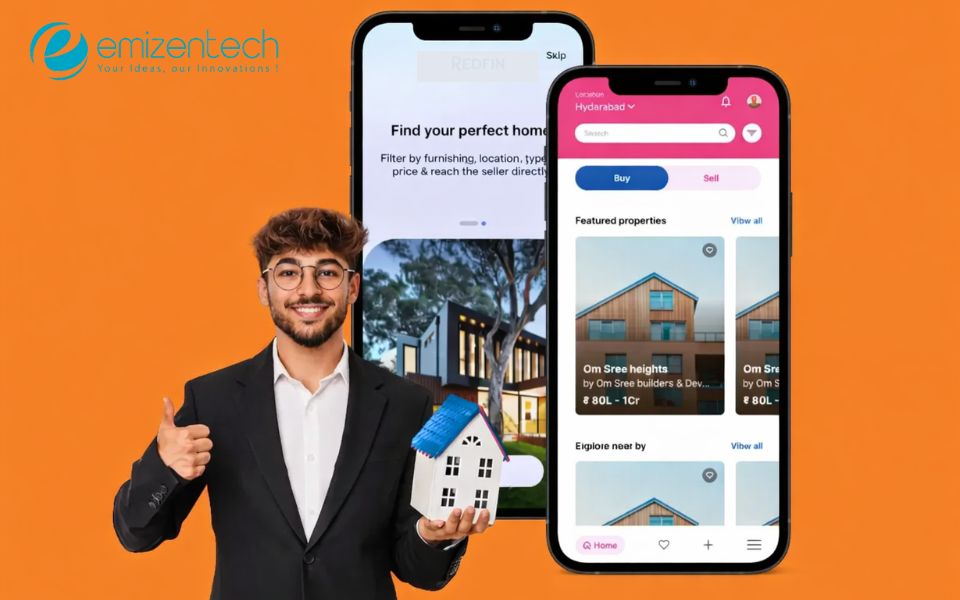
The real estate industry is rapidly shifting toward digital-first experiences, where mobile apps play a central role in property discovery, transactions, and management. Businesses are increasingly investing in real estate app development services to stay competitive, streamline operations, and deliver better user experiences. However, choosing the right type of app is critical. Not every model aligns with every business goal, and selecting the wrong one can lead to wasted investment and poor adoption. This guide breaks down the most effective app types and helps you determine which one fits your business strategy.
Key Features Every Real Estate App Should Have
Every real estate app, regardless of its category, must include core features that directly impact usability, trust, and performance. Without these, even a well-designed app will fail to retain users or scale effectively.
Advanced Search and Filters
Users should be able to narrow down property options using specific criteria such as location, budget, property type, amenities, and availability. Efficient filtering reduces search time and improves decision-making.
Secure Payment Integration
The app must support safe and reliable transactions for bookings, deposits, or rent payments. Integrating trusted payment gateways ensures data protection and builds confidence among users.
User Profiles and Dashboards
Each user should have a personalized dashboard where they can manage saved properties, track activity, view past interactions, and update preferences. This improves engagement and repeat usage.
Push Notifications
Timely alerts about new listings, price changes, or scheduled visits keep users actively engaged. Well-targeted notifications increase retention without overwhelming users.
10 Types of Real Estate Apps You Can Build
There are multiple app categories in real estate, each designed to solve specific business problems. Businesses exploring real estate app development services should understand these types to choose a solution that aligns with their market positioning and long-term growth strategy.
1. Property Listing Apps (Marketplace Apps)
These apps connect buyers, sellers, and agents on a single platform, enabling seamless property discovery and communication.
Core Features: Include advanced search filters, property listings, map integration, and contact options. These features ensure users can easily find and engage with relevant properties.
Target Users: Primarily designed for buyers, sellers, and real estate agents looking for a centralized platform to list and explore properties efficiently.
Revenue Model: Monetization typically comes from listing fees, featured placements, and commissions on successful transactions.
2. Real Estate Aggregator Apps
Aggregator apps collect property data from multiple sources, offering users a wide range of listings in one place.
Data Integration: These apps rely on APIs and third-party integrations to pull listings from various platforms, ensuring comprehensive property coverage.
User Advantage: Users benefit from access to a large inventory, making it easier to compare options and make informed decisions.
Monetization Strategy: Revenue is generated through ads, premium listings, and subscription-based access for agents or agencies.
3. Rental & Leasing Apps
These apps focus on rental properties, simplifying the process for tenants and landlords.
Tenant Features: Include rent payments, lease agreements, and maintenance requests, improving tenant convenience and satisfaction.
Landlord Tools: Provide tracking for payments, tenant communication, and property management tasks in a centralized dashboard.
Business Fit: Ideal for property owners and rental agencies managing multiple tenants and properties.
4. Property Management Apps
Designed for managing properties efficiently, these apps streamline operations for property managers.
Operational Tools: Include tenant management, maintenance tracking, and financial reporting to simplify daily operations.
Automation Benefits: Automates repetitive tasks like rent collection and notifications, reducing manual workload and errors.
Target Businesses: Best suited for property management firms handling large portfolios.
5. Real Estate Investment Apps
These apps cater to investors looking to analyze and manage property investments.
Analytics Features: Offer ROI calculators, market trends, and financial insights to support data-driven investment decisions.
Portfolio Management: Allow users to track multiple investments, monitor performance, and optimize returns.
Revenue Opportunities: Typically monetize through subscriptions or transaction-based fees.
6. On-Demand Real Estate Apps
These apps provide instant access to real estate services, such as booking agents or property visits.
Service Booking: Users can schedule appointments, site visits, or consultations directly through the app.
User Convenience: Offers real-time availability and faster service delivery, improving overall user experience.
Monetization Model: Revenue is generated through service fees and commissions.
7. Real Estate CRM Apps
CRM apps help agents and brokers manage leads and customer relationships effectively.
Lead Management: Track and organize leads, ensuring timely follow-ups and improved conversion rates.
Communication Tools: Integrate calls, emails, and messaging for seamless client interaction.
Business Impact: Enhances productivity and sales efficiency for real estate professionals.
8. Property Valuation Apps
These apps provide estimated property values using data analytics and market trends.
Valuation Algorithms: Use AI and historical data to generate accurate property price estimates.
Market Insights: Offer users detailed insights into pricing trends and neighborhood analysis.
Target Users: Useful for buyers, sellers, and investors seeking data-driven decisions.
9. Virtual Tour & AR/VR Apps
These apps deliver immersive property viewing experiences using advanced technologies.
3D Property Tours: Enable users to explore properties remotely through interactive virtual tours.
Augmented Reality: Allows users to visualize interiors, furniture placement, and modifications in real time.
Competitive Advantage: Reduces the need for physical visits, saving time and resources.
10. Real Estate Auction Apps
Auction apps facilitate property sales through competitive bidding.
Live Bidding Features: Include real-time bidding, countdown timers, and notifications to engage users.
Transparency: Ensures fair pricing through open and competitive bidding processes.
Revenue Model: Earn through listing fees and commissions on completed sales.
How to Choose the Right Real Estate App Type
Choosing the right app depends on aligning your business goals, audience, and monetization strategy. A clear understanding of your operational needs ensures you invest in a solution that delivers long-term value.
Define Your Business Model
Your app type must align with your business structure, whether you are a brokerage, aggregator, or property manager. Each model requires different features, workflows, and revenue mechanisms to function effectively.
Identify Your Target Audience
Understanding whether your users are buyers, renters, agents, or investors helps shape the app’s functionality. User intent directly influences features, UI/UX decisions, and overall engagement strategy.
Select a Revenue Model
Different apps generate revenue through commissions, subscriptions, or listing fees. Choosing the wrong monetization strategy can limit scalability and profitability over time.
Evaluate Budget and Scalability
Your initial budget should support an MVP while allowing future scalability. Overbuilding early increases costs, while under-planning limits growth potential and performance.
Challenges in Building Real Estate Apps
Building a real estate app is not just a technical task—it involves solving data, trust, and market positioning challenges that directly affect user adoption and long-term success.
Data Accuracy
Outdated or incorrect property information leads to user frustration and loss of credibility. Regular updates and verification systems are necessary to maintain reliable listings.
High Competition
The real estate app market is crowded, with many platforms offering similar features. Without a clear value proposition or niche focus, it becomes difficult to attract and retain users.
User Trust and Security
Users share sensitive information such as personal details and financial data. Strong security measures, data encryption, and transparent policies are essential to gain and maintain trust.
Future Trends in Real Estate App Development
Real estate apps are evolving with technology, and businesses that adapt early gain a competitive advantage. These trends are shaping how users interact with property platforms.
AI and Personalization
Artificial intelligence helps analyze user behavior to deliver relevant property recommendations. This makes the app more intuitive and increases the chances of conversion.
Blockchain Integration
Blockchain technology can simplify property transactions by making them more transparent, secure, and less dependent on intermediaries.
AR/VR Adoption
Augmented and virtual reality allow users to explore properties remotely through immersive experiences, reducing the need for physical visits and speeding up decision-making.
How to Get Started with Your Real Estate App
Launching a real estate app requires a clear roadmap. Without proper planning, businesses risk overspending or building a product that doesn’t meet market needs.
Validate Your Idea
Start by analyzing market demand, competitors, and user pain points. This ensures your app solves a real problem instead of replicating existing solutions.
Build an MVP
Focus on a minimum viable product with only essential features. This helps you launch faster, test your concept, and improve based on real user feedback.
Choose the Right Partner
Select a development partner with proven experience in real estate solutions, as the right team offering real estate app development services will ensure your app is built with the right technology, scalable architecture, and industry best practices.
Conclusion
Choosing the right type of real estate app is not about trends—it’s about alignment with your business model, audience, and growth strategy. Each app type serves a specific purpose, and selecting the right one can significantly impact your success in the market. Investing in the right approach, supported by reliable real estate app development services, ensures long-term scalability and user engagement. If you’re looking to build a high-performing solution tailored to your business needs,EmizenTechcan help turn your vision into a scalable digital product.
FAQs
1. Which type of real estate app is most profitable?
Marketplace and aggregator apps are typically the most profitable due to multiple revenue streams, such as commissions, ads, and premium listings.
2. How much does it cost to build a real estate app?
Costs vary with complexity, from basic MVPs to advanced, feature-rich platforms, depending on requirements and technology.
3. What features are essential in a real estate app?
Key features include search filters, secure payments, user profiles, notifications, and property listings.
4. How long does it take to develop a real estate app?
Development timelines can range from a few months for basic apps to longer for complex, scalable platforms.
5. Can startups build a real estate app on a budget?
Yes, by starting with an MVP, prioritizing essential features, and scaling gradually based on user feedback.