React의 컴포넌트에서 return;과 return null;의 차이는 뭘까 ?
회사에서 아래와 같은 상황으로
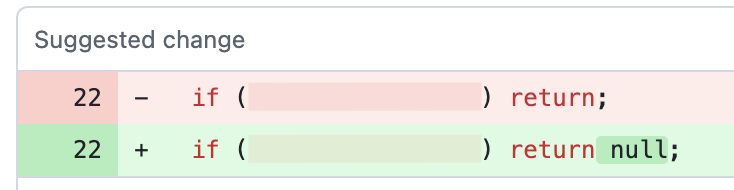
코드 리뷰가 제안된 PR이 있어서 스크럼때 react에서의 null과 undefined 차이에 대해 이야기를 하다가 내가 자바스크립트와 리액트에 대해 잘 알고 있나? 라는 생각이 문득 들어서 자세하게 찾아봤다.
React 컴포넌트에서 return; VS return null;
function EmptyComponent() { return; } | function EmptyComponent() { return null; } |
|---|---|
| 아무것도 렌더링되지 않는다 | 의도적으로 “아무것도 렌더링하지 않기” |
18에서는 null과 결과 동일 | |
| React 16에서는 에러 발생. | |
Error: Nothing was returned from render. This usually means a return statement is missing. |
- React 16
return null;- 정상 동작
- “아무것도 렌더링하지 않음”을 명시
return;&return undefined;- ⚠️ 런타임 에러 발생
- Nothing was returned from render.
This usually means a return statement is missing. - 발생 이유: 개발자가 실수로
return문을 빼먹었을때 빠르게 찾아내기 위한 방어적 설계
React 18
return;과return null;- 아무것도 렌더링하지 않음을 동일하게 처리
- 이유: 업데이트되면서 타입스크립트와의 호환성 및 내부 렌더링 로직(Fiber)를 정리하며,
null과undefined를 굳이 차별할 이유가 없어졌다.
return; 에서는 뭘 return 하는 걸까 ?
function test() {
	return;
}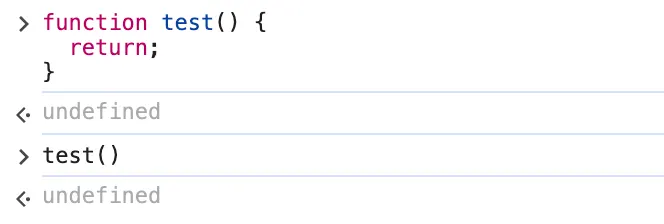 보이는 것처럼 undefined를 리턴하고 있다.
이때,
null을 입력해야 더 좋은거 아닌가? 성능적으로는 어떨까?
별 차이 없다.
| React 16 | React 18 |
|---|---|
| 동작 여부의 문제(Error vs Success) | 리액트 내부의 Fiber 트리 구조에서 null 이나 undefined 모두 “자식 없음” 처리 |
undefined를 반환하면 앱이 멈추는 문제 발생 | 메모리 점유율이나 연산량에서 유의미한 차이 발생 X |
React 내부 개념을 대략적으로 간소화해보면 아래 구조를 가진다.
type ReactNode =
  | JSX.Element
  | string
  | number
  | null
  | undefined
  | boolean;
React 18에서 undefined를 empty node로 인정했고
렌더 트리에서 null과 동일하게 처리하기로 했다.
왜 이렇게 되었을지 알아보려면
React Reconciler를 확인해봐야 한다.
여기에 어떻게 화면이 바뀌고, 어떤 값을 무시하는지 담겨 있기 때문 !!

Reconciler의 3가지 핵심 역할으로는,,
- 리액트의 ‘두뇌’ 역할 (V-DOM Diffing)
- Reconciler의 역할은 React Element 객체를 받아서 이전 화면과 무엇이 달라졌는지를 계산하고, 어떤 부분을 업데이트해야 효율적인지 결정
- 리액트의 구조
- React Core(
react): useState, useEffect - Reconciler(
react-reconciler): 화면을 어떻게 구성할지 ‘설계도’를 그리는 (Fiber 아키텍처) - Renderer(
react-dom,react-native): 설계도대로 실제 화면에 그리는 작업자
- React Core(
- Fiber 아키텍처의 심장부
- Fiber는 렌더링 작업을 작은 단위로 쪼개서 우선순위를 정하는 알고리즘
- 작업을 쪼갤 때 ‘이 노드는 작업할 가치가 있는가?’를 결정
- Fiber 노드를 생성, 연결, 삭제 과정이 reconciler 안에 담겨 있다
이제 react 내부 코드를 뜯어보자면,,,
https://github.com/facebook/react/blob/main/packages/react-reconciler/src/ReactChildFiber.js
// packages/react-reconciler/src/ReactChildFiber.js

function reconcileChildFibersImpl(
  returnFiber: Fiber,
  currentFirstChild: Fiber | null,
  newChild: any,
  lanes: Lanes,
): Fiber | null {

  const isUnkeyedUnrefedTopLevelFragment =
	  // 자바스크립트 객체인가
    typeof newChild === 'object' && newChild !== null
    // Fragment 타입인가 (<> ... </>)
    && newChild.type === REACT_FRAGMENT_TYPE
    && newChild.key === null
    && (enableFragmentRefs ? newChild.props.ref === undefined : true);

	// 개발 환경에서만 검사 (배포했을때의 성능을 위해)
  if (isUnkeyedUnrefedTopLevelFragment) {
    validateFragmentProps(newChild, null, returnFiber);
    newChild = newChild.props.children;
  }

	// 1. 객체 타입(컴포넌트, DOM 노드 등)인지 확인
  if (typeof newChild === 'object' && newChild !== null) {
    switch (newChild.$$typeof) {
      case REACT_ELEMENT_TYPE: {
        const prevDebugInfo = pushDebugInfo(newChild._debugInfo);
        const firstChild = placeSingleChild(
          reconcileSingleElement(
            returnFiber,
            currentFirstChild,
            newChild,
            lanes,
          ),
        );
        currentDebugInfo = prevDebugInfo;
        return firstChild;
      }

	// 2. 문자열이나 숫자인 경우 (텍스트 노드 생성)
  if (
    (typeof newChild === 'string' && newChild !== '') ||
    typeof newChild === 'number' ||
    typeof newChild === 'bigint'
  ) {
    return placeSingleChild(
      reconcileSingleTextNode(
        returnFiber,
        currentFirstChild,
        // $FlowFixMe[unsafe-addition] Flow doesn't want us to use `+` operator with string and bigint
        '' + newChild,
        lanes,
      ),
    );
  }

  // 3. 위 조건에 해당하지 않는 경우 (null, undefined, boolean)
  // 아무것도 반환하지 않음으로써 '빈 결과' 확정 !
  // Remaining cases are all treated as empty.
  return deleteRemainingChildren(returnFiber, currentFirstChild);
}boolean을 같이 처리하는 이유는 ?
{isOpen && <Modal /> } 과 같은 조건부 렌더링 때문에
false라고 그대로 출력되면 불편하니까 boolean 값을 렌더링 트리에서 무시하도록 설계를 한 것이다.
다만, {count && <Component />} 를 사용하면 0이 글자로 찍힌다.
이때는 count 앞에 !! 연산자를 붙여주면 0이 글자로 찍히지 않는다.
javascript에서 null vs undefined
리액트는 javascript로 만들어졌으니까 좀 더 찾아봤다.
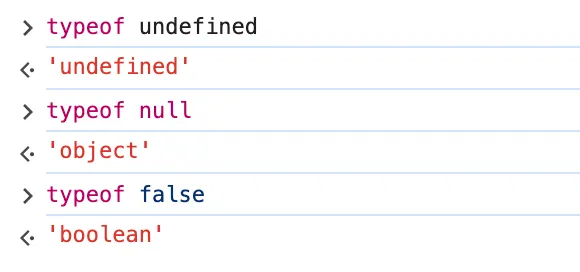
const a = null;
const b = undefined;
null과 undefined의 차이는 뭘까 ?
undefined는 선언이 안된걸까 ? 라고 생각을 했다가
어쨋든 b 라는 변수를 선언해준거 아닌가 ?? 라는 생각도 같이 들었다.
하지만 const b; 는

이런식으로 에러가 난다
왜냐하면 const는 상수니까.
상수는 선언과 동시에 값이 결정되어야 한다. 나중에 바꿀 수 없다.
그렇다면
var a = null;
var b = undefined;
var c;
의 차이는 뭘까
c는 선언만 한거라서 안에 쓰레기 값이 할당되어 있다고 답변했다가
선언과 할당의 차이는 뭐냐는 질문을 받았다.
선언과 할당의 차이는 뭘까 ?!
선언(Declaration) vs 할당(Assignment)
- 선언: 내가 앞으로 c 라는 이름을 쓸 거니까 메모리에 공간 하나 확보해줘.
- 할당: 확보한 메모리 공간에 10 이라는 값을 넣어줘.
자바스크립트에서는 var c; 라고 선언만 하면 자동으로 undefined 값을 넣는다.
자바스크립트에는 쓰레기 값이 존재하지 않는다.
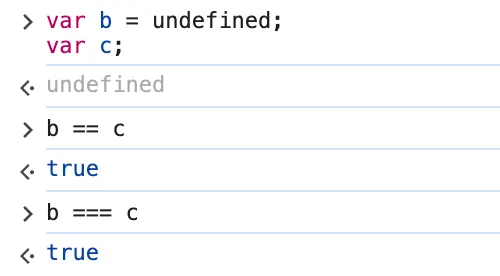
var a = null;       // "비어있음"을 명시적으로 '할당'
var b = undefined;  // "정의되지 않음"을 명시적으로 '할당'
var c;              // '선언'만 한 것. 엔진이 자동으로 undefined '할당'
b는 개발자가 의도적으로 넣은 것.
c는 아무것도 안 해서 엔진이 만들어서 생긴 값.
쓰레기 값이 생기지는 않는다. 쓰레기 값은 C언어에서만 !
이제 null과 undefined의 차이는…
| 구분 | undefined | null |
|---|---|---|
| 의미 | 값이 정의되지 않음 (초기 상태) | 값이 없음을 명시적으로 선언함 |
| 할당 | 변수 선언 후 값을 넣지 않았을 때 자동으로 할당됨 | 개발자가 "여기는 빈 값이야"라고 직접 할당함 |
| Type | typeof undefined === 'undefined' | typeof null === 'object' (JS의 유명한 설계 오류) |
왜 설계 오류인가를 찾아봤을 때
타입 태그에서 000을 객체로 보도록 만들어서 그렇다고 한다.
그래서 if (typeof v === 'object' && v !== null) 으로 방어 코드가 반드시 필요하다고 한다.
참고