The Future of Fitness: Understanding Fitness APIs
In the rapidly evolving landscape of health and fitness, technology has become an indispensable tool for enthusiasts and professionals alike. Among the myriad of technological advancements, fitness APIs (Application Programming Interfaces) stand out as a critical enabler for building comprehensive and innovative fitness applications. Fitness APIs provide a bridge between different software applications, allowing them to communicate and share data seamlessly.
In this article, we'll delve into the world of fitness APIs, exploring their importance, functionality, and the impact they have on the fitness industry.
What is a Fitness API?
A Fitness API is a set of programming instructions and standards for accessing a web-based software application or web tool. It enables developers to integrate fitness-related data and functionalities into their applications, enhancing the user experience. Fitness APIs allow applications to access data such as workout routines, nutrition plans, activity tracking, health metrics, and more.
For example, using a fitness API, a developer can create an app that tracks a user's daily steps, monitors heart rate, logs workouts, and even provides personalized fitness recommendations based on the collected data. The beauty of APIs is that they enable seamless integration without the need to build these functionalities from scratch.
Importance of Fitness APIs
Data Integration and Interoperability
Fitness APIs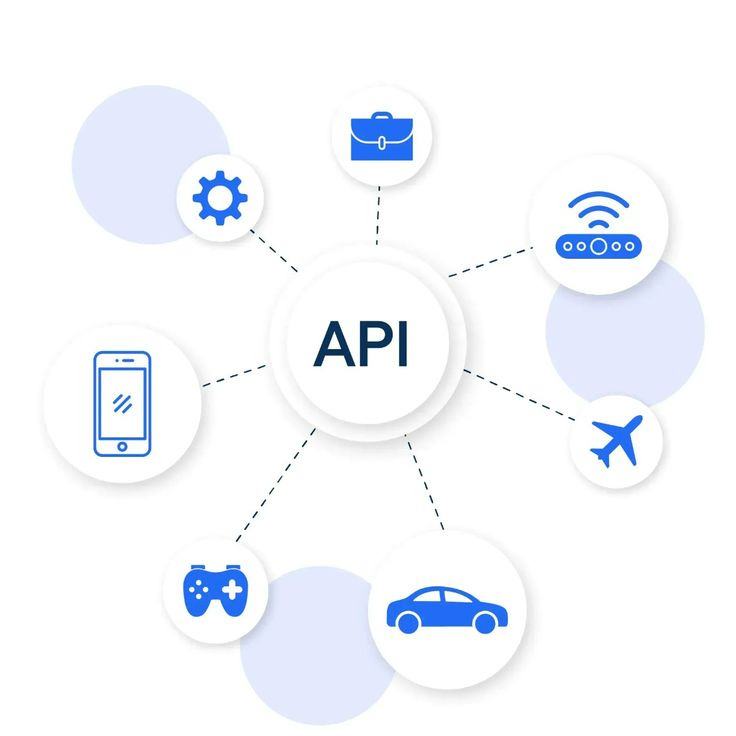
facilitate the integration of diverse data sources, promoting interoperability among different health and fitness platforms. They allow various devices and applications to share data, providing users with a holistic view of their fitness journey. This interoperability is essential for delivering personalized and actionable insights.
Enhanced User Experience
By leveraging fitness APIs, developers can create feature-rich applications that offer a seamless and engaging user experience. APIs enable real-time data synchronization, ensuring that users have access to the most up-to-date information. Whether it's tracking progress, setting goals, or receiving personalized recommendations, fitness APIs make it possible.
Innovation and Customization
Fitness APIs empower developers to innovate and customize their applications to meet specific user needs. They provide access to a wealth of data and functionalities, allowing developers to build unique features that differentiate their apps in the competitive fitness market. This flexibility fosters creativity and encourages the development of cutting-edge fitness solutions.
Data-Driven Insights
Access to comprehensive fitness data through APIs enables the generation of data-driven insights. By analyzing user data, applications can provide personalized recommendations, track performance trends, and identify areas for improvement. These insights are invaluable for users looking to optimize their fitness routines and achieve their goals.
Common Features of Fitness APIs
Fitness APIs come with a wide range of features designed to support various aspects of health and fitness. Some common features include:
Activity Tracking
Fitness APIs often provide access to activity tracking data, including steps taken, distance traveled, calories burned, and more. This data is essential for monitoring physical activity and assessing overall fitness levels.
Workout Logging
APIs can enable users to log their workouts, including exercise type, duration, intensity, and other relevant metrics. This feature helps users keep track of their fitness routines and progress over time.
Health Metrics Monitoring
Many fitness APIs offer access to health metrics such as heart rate, sleep patterns, blood pressure, and more. Monitoring these metrics provides valuable insights into a user's overall health and well-being.
Nutrition and Diet Tracking
Some APIs include features for tracking nutrition and diet, allowing users to log their meals, monitor calorie intake, and manage macronutrient consumption. This functionality is crucial for users looking to maintain a balanced diet and achieve their nutritional goals.
Personalized Recommendations
By analyzing user data, fitness APIs can generate personalized recommendations for workouts, nutrition plans, and lifestyle changes. These recommendations are tailored to the individual's goals, preferences, and progress.
Social and Community Features
Fitness APIs may include social and community features, allowing users to connect with others, share achievements, and participate in challenges. These features promote engagement and motivation by fostering a sense of community and support.
Popular Fitness APIs
Several fitness APIs have gained popularity due to their robust features and ease of integration. Here are a few noteworthy examples:
Google Fit API
The Google Fit API is a popular choice for developers looking to integrate fitness tracking and health monitoring into their applications. It provides access to a wide range of fitness data, including activity tracking, heart rate monitoring, and more. The API is compatible with various devices and platforms, making it a versatile solution for fitness app development.
Apple HealthKit
Apple HealthKit is another widely used fitness API that allows developers to access health and fitness data on iOS devices. HealthKit provides a centralized repository for health data, enabling seamless integration with fitness apps. It supports various data types, including activity tracking, nutrition, sleep analysis, and more.
Fitbit API
The Fitbit API is designed for developers looking to create applications that leverage Fitbit's extensive range of fitness and health tracking features. The API provides access to data such as steps, heart rate, sleep patterns, and more. It also supports real-time data synchronization, ensuring that users have access to the most current information.
Strava API
The Strava API is popular among developers building fitness apps for athletes and outdoor enthusiasts. It provides access to activity tracking data, including running, cycling, and swimming. The API also includes features for route mapping, performance analysis, and social sharing.
Under Armour API
The Under Armour API offers access to a range of fitness and health data, including activity tracking, nutrition, and workout logging. It supports integration with various devices and platforms, making it a flexible solution for fitness app development.
Challenges and Considerations
While fitness APIs offer numerous benefits, there are also challenges and considerations to keep in mind:
Data Privacy and Security
Handling sensitive health and fitness data requires stringent privacy and security measures. Developers must ensure that their applications comply with relevant regulations, such as the General Data Protection Regulation (GDPR) and the Health Insurance Portability and Accountability Act (HIPAA). Implementing robust encryption and secure data storage practices is essential for protecting user information.
API Limitations
Fitness APIs may have limitations in terms of data access, usage quotas, and functionality. Developers need to carefully review the documentation and terms of use for each API to understand its capabilities and constraints. It's important to choose an API that aligns with the specific requirements of the application.
Integration Complexity
Integrating fitness APIs into an application can be complex and time-consuming. Developers must have a solid understanding of API integration techniques and best practices. Thorough testing and debugging are essential to ensure a seamless user experience.
Data Accuracy and Reliability
The accuracy and reliability of fitness data can vary depending on the source and device. Developers should be mindful of these variations and implement mechanisms to handle discrepancies. Providing users with clear information about data accuracy and potential limitations is crucial for maintaining transparency.
Future Trends in Fitness APIs
As technology continues to advance, fitness APIs are likely to evolve and offer even more capabilities. Here are a few future trends to watch:
Artificial Intelligence and Machine Learning
Integrating artificial intelligence (AI) and machine learning (ML) into fitness APIs will enable more sophisticated data analysis and personalized recommendations. AI-driven insights can help users achieve their fitness goals more effectively by identifying patterns and trends in their behavior.
Wearable Technology Integration
The proliferation of wearable technology, such as smartwatches and fitness trackers, will drive the demand for fitness APIs that can seamlessly integrate with these devices. Enhanced sensor capabilities and real-time data synchronization will provide users with more accurate and comprehensive health insights.
Virtual and Augmented Reality
Virtual and augmented reality (VR/AR) technologies have the potential to revolutionize the fitness industry. Fitness APIs that support VR/AR integration can enable immersive workout experiences, virtual coaching, and interactive fitness challenges.
Comprehensive Health Ecosystems
Future fitness APIs will likely focus on creating comprehensive health ecosystems that integrate various aspects of wellness, including physical fitness, mental health, and nutrition. These ecosystems will provide users with a holistic view of their health and well-being, promoting a more balanced and sustainable approach to fitness.
Conclusion
Fitness APIs are transforming the way we approach health and fitness by enabling the development of innovative and personalized applications. They facilitate data integration, enhance user experiences, and provide valuable insights into our fitness journeys. As technology continues to evolve, fitness APIs will play an increasingly important role in shaping the future of the fitness industry.
By understanding the importance, functionality, and potential challenges of fitness APIs, developers can create impactful applications that empower users to achieve their fitness goals and lead healthier lives. Whether you're a fitness enthusiast, a developer, or a health professional, fitness APIs offer endless possibilities for enhancing the way we stay fit and healthy.