
최댓값 알고리즘
- 최댓값 알고리즘을 이용해서 숫자로 이루어진 리스트에서 최댓값과 최댓값의 개수를 찾는 모듈을 만들어보자.
코드1
class MaxAlgorithm:

    def __init__(self, ns):
        self.nums = ns
        self.maxNum = 0
        self.maxNumCnt = 0

    def setMaxNum(self):
        self.maxNum = 0

        for n in self.nums:
            if self.maxNum < n:
                self.maxNum = n

        return self.maxNum

    def getMaxNum(self):
        self.setMaxNum()
        return self.maxNum

    def setMaxNumCnt(self):
        self.setMaxNum()

        for n in self.nums:
            if self.maxNum == n:
                self.maxNumCnt += 1

    def getMaxNumCnt(self):
        self.setMaxNumCnt()
        return self.maxNumCnt
코드2
import random
import maxMod

if __name__ == '__main__':

    nums = []
    for n in range(20):
        nums.append(random.randint(1,50))

    print(f'nums: \n {nums}')
    ma = maxMod.MaxAlgorithm(nums)
    print(f'max num: {ma.getMaxNum()}')
    print(f'max num count: {ma.getMaxNumCnt()}')
출력

최솟값 알고리즘
- 최솟값 알고리즘을 이용해서 숫자로 이루어진 리스트에서 최솟값과 최솟값의 개수를 찾는 모듈을 만들어보자.
코드1
class MinAlgorithm:

    def __init__(self, ns):
        self.nums = ns
        self.minNum = 0
        self.minNumCnt = 0

    def setMinNum(self):
        self.minNum = 51

        for n in self.nums:
            if self.minNum > n:
                self.minNum = n

    def getMinNum(self):
        self.setMinNum()
        return self.minNum

    def setMinNumCnt(self):
        self.setMinNum()

        for n in self.nums:
            if self.minNum == n:
                self.minNumCnt += 1

    def getMinNumCnt(self):
        self.setMinNumCnt()
        return self.minNumCnt
코드2
import random
import minMod

if __name__ == '__main__':

    nums = []
    for n in range(20):
        nums.append(random.randint(1,50))

    print(f'nums: {nums}')
    ma = minMod.MinAlgorithm(nums)
    print(f'min num: {ma.getMinNum()}')
    print(f'min num count: {ma.getMinNumCnt()}')
출력

최빈값 알고리즘
- 다음은 어떤 회사의 전직원 나이를 나타내는 리스트이다. 최빈값 알고리즘을 이용해서 나이 분포를 간단한 그래프로 출력하는 모듈을 만들어보자.
코드1
class MaxAlgorithm:

    def __init__(self, ns):
        self.nums = ns
        self.maxNum = 0
        self.maxNumIdx = 0

    def setMaxIdxAndNum(self):
        self.maxNum = 0
        self.maxNumIdx = 0

        for i, n in enumerate(self.nums):
            if self.maxNum < n:
                self.maxNum = n
                self.maxNumIdx = i

    def getMaxNum(self):
        return self.maxNum

    def getMaxIdx(self):
        return self.maxNumIdx
코드2
import maxMod
class ModeAlgorithm:

    def __init__(self, ns, mn):
        self.nums = ns
        self.maxNum = mn
        self.indexes = []

    def setIndexList(self):
        self.indexes = [0 for i in range(self.maxNum + 1)]

        for n in self.nums:
            self.indexes[n] = self.indexes[n] + 1

    def getIndexList(self):
        if sum(self.indexes) == 0:
            return None
        else:
            return self.indexes

    def printAges(self):

        n = 1
        while True:

            maxAlo = maxMod.MaxAlgorithm(self.indexes)
            maxAlo.setMaxIdxAndNum()
            maxNum = maxAlo.getMaxNum()
            maxNumIdx = maxAlo.getMaxIdx()

            if maxNum == 0:
                break

            print(f'{n:0>3} {maxNumIdx}세 빈도수: {maxNum} \t',end='')
            print('*' * maxNum)
            self.indexes[maxNumIdx] = 0

            n += 1
코드3
import modeMod
import maxMod

ages = [25, 27, 27, 24, 31, 34, 33, 31, 29, 25,
        45, 37, 38, 46, 47, 22, 24, 29, 33, 35,
        27, 34, 37, 40, 42, 29, 27, 25, 26, 27,
        31, 31, 32, 38, 25, 27, 28, 40, 41, 34]

print(f'employee cnt: {len(ages)}명')
maxAlo = maxMod.MaxAlgorithm(ages)
maxAlo.setMaxIdxAndNum()
maxAge = maxAlo.getMaxNum()
print(f'maxAge: {maxAge}세')

modAlo = modeMod.ModeAlgorithm(ages,maxAge)
modAlo.setIndexList()
print(f'IndexList: {modAlo.getIndexList()}')

modAlo.printAges()
출력

근삿값 알고리즘
- 다음 표는 수심에 따른 수온을 나타내고 있다. 근사값 알고리즘을 이용해서 수심을 입력하면 수온을 출력하는 모듈을 만들어보자.

코드1
class NearAlgorithm:

    def __init__(self, d):
        self.temps = {0:24, 5:22, 10:20, 15:16, 20:13, 25:10, 30:6 }
        self.depth = d
        self.nearNum = 0
        self.minNum = 24

    def getNearNumbers(self):

        for n in self.temps.keys():
            absNum = abs(n - self.depth)
            if absNum < self.minNum:
                self.minNum = absNum
                self.nearNum = n

        return self.temps[self.nearNum]
코드2
import nearMod

depth = int(float(input('input depth: ')))
print(f'depth: {depth}m')

na = nearMod.NearAlgorithm(depth)
temp = na.getNearNumbers()
print(f'water temperature: {temp}도')
출력

재귀 알고리즘
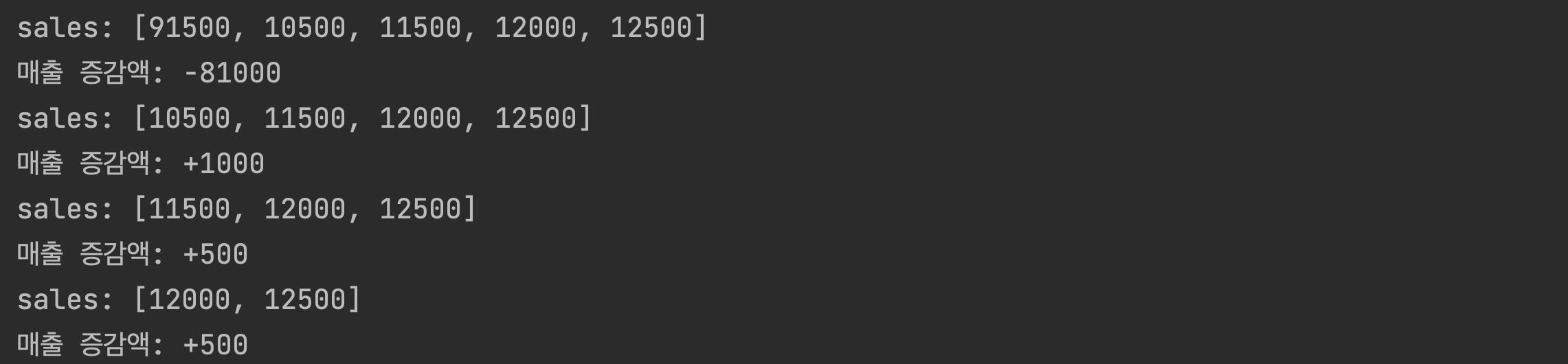
- 다음은 ‘A상사’의 2021년 월별 매출을 나타내는 표이다. 재귀 알고리즘을 이용해서 1월부터 12월까지 전월대비 매출 증감액을 나타내는 프로그램을 만들어보자.

코드1
sales = [12000, 13000, 12500, 11000, 10500, 98000, 91000, 91500, 10500, 11500, 12000, 12500]

def salesUpAndDown(ss):

    if len(ss) == 1:
        return ss

    print(f'sales: {ss}')
    currentSales = ss.pop(0)
    nextSales = ss[0]
    increase = nextSales - currentSales
    if increase > 0:
        increase = '+' + str(increase)
    print(f'매출 증감액: {increase}')

    return salesUpAndDown(ss)

if __name__ == '__main__':
    salesUpAndDown(sales)
출력
평균 알고리즘
- 다음은 어떤 체조선수의 점수이다.평균을 구하고 순위를 정하는 알고리즘을 만들어보자.
코드1
class Top5Plyers:

    def __init__(self, cs, ns):
        self.currentScore = cs
        self.newScore = ns

    def setAlignScore(self):

        nearInx = 0
        nearScore = 0
        minNum = 10.0

        for i, s in enumerate(self.currentScore):
            absNum = abs(self.newScore - s)

            if absNum < minNum:
                minNum = absNum
                nearInx = i
                nearScore = s

        if self.newScore >= self.currentScore[nearInx]:
            for i in range(len(self.currentScore) - 1,nearInx,-1):
                self.currentScore[i] = self.currentScore[i-1]

            self.currentScore[nearInx] = self.newScore
        else:
            for i in range(len(self.currentScore) - 1,nearInx + 1,-1):
                self.currentScore[i] = self.currentScore[i-1]

            self.currentScore[nearInx] = self.newScore

    def getFinalTop5Scores(self):
        return self.currentScore
코드2
import near

scores = [8.9, 7.6, 8.2, 9.1, 8.8, 8.1, 7.9, 9.4, 7.2, 8.7]
top5PlayerScores = [9.12, 8.95, 8.12, 7.90, 7.88]
print(f'top5PlayerScores: {top5PlayerScores}')

total = 0
average = 0
for n in scores:
    total += n
average = total / len(scores)
print(f'total: {total}')
print(f'average: {average}')

tp = near.Top5Plyers(top5PlayerScores,average)
tp.setAlignScore()
top5PlayerScores = tp.getFinalTop5Scores()
print(f'top5PlayerScores: {top5PlayerScores}')
출력


10√2 Data