How canvas and metal prints transform photos into lasting wall art now
Introduction
A favorite photo can live in your phone for years and still feel invisible. The moment it becomes wall art, it starts doing a different job: it shapes the mood of a room, signals what you value, and quietly tells your story to anyone who walks in. That is why canvas and metal prints have become two of the most popular ways to display photographs and artwork in homes, offices, studios, and retail spaces.
Both formats turn a digital file into something you can experience at full size, from across the room, under changing light, and over long stretches of time. Still, they are not interchangeable. Canvas and metal prints differ in texture, color rendering, reflectivity, edge style, durability, and the feeling they bring to a space. Choosing well means matching the print surface to your image, your lighting, your design style, and your expectations for longevity.
This guide breaks it all down in a clear, practical way. You will learn how canvas and metal prints are made, how they look in real rooms, what types of images shine on each surface, how to size and place your piece, and how to care for it so it stays beautiful. By the end, you will be able to order with confidence and create wall art that feels intentional, polished, and personal.
Body Section 1: What makes canvas and metal prints look so different?
To choose between canvas and metal prints, it helps to understand what you are actually buying. You are not just choosing a “finish.” You are choosing a physical structure that affects everything from sharpness to mood.
What a canvas print is, in simple terms
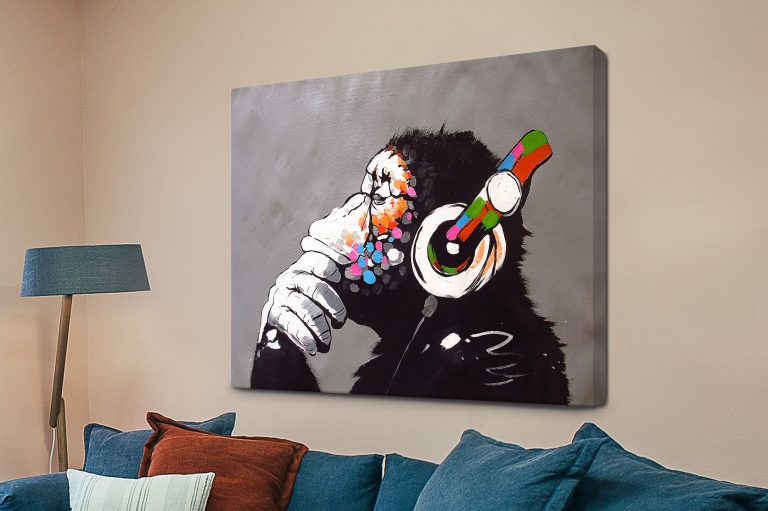
A canvas print typically starts as a high resolution inkjet print on a canvas material, often a cotton blend or polyester canvas designed for printing. The printed canvas is then stretched over a wooden frame, called stretcher bars. The finished piece can look like a classic painting, especially when it has a matte coating and a gallery wrap edge.
Why people love canvas and metal prints, starting with canvas: canvas adds texture. It softens micro details and gives portraits, landscapes, and painterly images a warm, organic feel. It also tends to reduce glare, which makes it friendly for bright rooms or spaces with many windows.
Key characteristics of canvas:
Texture and depth: the weave creates a subtle pattern that can make images feel more tactile.
Low reflectivity: most canvases have a matte or satin finish, which helps reduce harsh reflections.
Art gallery vibe: canvas can feel “fine art,” even when the image is a casual snapshot.
Framing flexibility: canvas can be hung unframed for a modern gallery look or framed for a more traditional finish.
What a metal print is, in simple terms
A metal print is usually made by infusing dyes into a coated aluminum sheet using a heat and pressure process. The image becomes part of the coating rather than sitting on top like a traditional paper print. The result is crisp detail, intense color, and a surface that can appear almost luminous.
Canvas and metal prints differ dramatically here: metal tends to look sleek, high definition, and contemporary. It can make colors pop and blacks look deep and rich, especially in images with strong contrast or vibrant tones.
Key characteristics of metal:
High sharpness: fine detail is emphasized, which is great for cityscapes, macro shots, and high resolution photography.
Color intensity: saturated colors can look bold and energetic.
Modern finish: metal often reads as clean, minimal, and premium.
Durability: many metal prints resist moisture and can be easier to wipe clean.
Texture, reflectivity, and the “room effect”
When people compare canvas and metal prints, they often focus on color. In real spaces, reflectivity can matter even more.
Canvas tends to look consistent at different angles because it reflects less light. It is forgiving in rooms with overhead fixtures, lots of daylight, or glossy surfaces nearby.
Metal can reflect light depending on finish and placement. In a well planned spot, the slight sheen can make images look dynamic and alive. In a poorly lit or overly bright spot, glare can distract.
If you are decorating a space where you want calm, softness, and minimal glare, canvas often wins. If you want drama, crispness, and high impact, metal often wins. In many homes, the best approach is a mix, using canvas and metal prints in different rooms depending on function and vibe.
Color rendering and contrast differences
Here is what typically happens when the same image is printed as canvas and metal prints:
Canvas: shadows can appear slightly lifted, highlights can look gentler, and the overall feel is warmer and more painterly.
Metal: shadows can look deeper, highlights can look brighter, and the image can feel more vivid and dimensional.
This is not “better” or “worse.” It is about matching the surface to the story your image tells.
Edge styles: wrapped canvas vs metal float mounts
Edge finishing changes the perceived quality of the piece.
Canvas edges:
Gallery wrap: the image continues around the sides. This looks clean and modern.
Solid color wrap: the sides are a single color, often black or white. This helps keep attention on the front image.
Mirrored wrap: the edge is created by reflecting the border of the image. This can preserve the main composition without stretching key elements.
Metal edges and mounting:
Float mount: the print is lifted off the wall with a hidden frame, creating a shadow line around it.
Inset frame: the print can sit in a frame that adds structure while keeping a modern feel.
Rounded corners: some providers offer softened edges for safety and aesthetics.
These finishing choices matter because canvas and metal prints are often seen from the side as you move through a room.
Body Section 2: How to choose the best option for your image and your space
Choosing between canvas and metal prints gets easier when you consider two things: what is in the image and where it will live.
Match the print surface to the image type
Some images naturally suit canvas, others shine on metal, and a few work beautifully on both.
Images that often look amazing on canvas:
Family portraits, especially in warm tones
Wedding photography with soft light
Landscapes with atmospheric haze, fog, or painterly color
Black and white portraits when you want a classic, timeless feel
Illustrations or artwork designed to mimic paint or sketch texture
Canvas can gently reduce the “digital” look. If your photo has minor noise, slightly soft focus, or mixed lighting, canvas can be forgiving while still looking polished.
Images that often look amazing on metal:
City skylines with fine architectural detail
Night photography with bright highlights and deep shadows
Travel shots with bold blues, greens, and vibrant street colors
High contrast black and white photography
Abstract art with crisp edges and saturated palettes
Metal can make an image feel premium and high impact. If your file is high resolution and well edited, canvas and metal prints will both look good, but metal can push it into a more dramatic, gallery style statement.
Consider lighting and glare
Lighting is the silent factor that changes everything.
If the piece will hang opposite large windows, near glossy floors, or under strong spotlights, canvas is often the safer choice.
If you can control lighting, or if the wall is in a spot with softer ambient light, metal can look stunning.
If you love the idea of metal but worry about reflections, look for finishes designed to reduce glare. Different labs use different coatings, so compare samples when possible. When you plan well, canvas and metal prints can both look exceptional, even in challenging rooms.
Choose based on the room’s purpose
Each room has a job, so your wall art should support it.
Living room:
Canvas often creates a warm, welcoming feel for family spaces. Metal can work as a statement piece above a sleek sofa or modern fireplace wall. Many people mix canvas and metal prints here by making one wall the focal point and keeping the rest softer.
Bedroom:
Canvas is popular because it feels calm and less reflective. Softer portraits, nature scenes, and minimalist art can look relaxing. Metal can work too, especially for contemporary styles, but consider lighting carefully.
Kitchen:
Metal is often a strong choice because it is easier to wipe clean and handles humidity better than many materials. Bright food photography, travel prints, or bold graphics can look lively.
Bathroom:
Metal usually wins for moisture resistance. If you want canvas and metal prints in a bathroom, metal is generally the safer pick, especially in smaller spaces with limited ventilation.
Home office:
Metal can feel sharp and energizing, great for motivation or modern design. Canvas can soften a space and reduce visual stress, which is helpful if you are on screens all day.
Hallways and staircases:
Canvas can reduce glare in narrow, high traffic areas. Metal can add light and depth, but placement matters. Both can work well if you size appropriately.
Home theater or entertainment space:
If you are styling a movie inspired room, a metal finish can look bold and cinematic. This is also a space where curated themes can shine, including items like movie posters australia as part of a gallery wall concept, as long as the layout feels intentional and not cluttered.
Size and aspect ratio: the difference between “nice” and “wow”
Many people choose a print type before choosing a size. Flip that order. Size is often the biggest driver of impact for canvas and metal prints.
Practical sizing guidelines:
Above a sofa: aim for art that spans about two thirds to three quarters of the sofa width.
Above a bed: similar rule, two thirds to three quarters of the headboard width.
In a hallway: consider a series of smaller pieces rather than one oversized print.
On a large blank wall: go bigger than you think, or create a multi panel arrangement.
Aspect ratio matters too. If your photo is from a phone, it is often 4:3 or 16:9. Standard print sizes can crop unexpectedly. Before ordering canvas and metal prints, check the crop preview and decide what you are willing to lose at the edges.
One piece, three piece, or a full gallery wall?
Single statement piece:
Best for powerful images, minimal rooms, and clean design styles. Metal often excels here for maximum impact, but canvas can be stunning at large scale too.
Triptych or multi panel layout:
Great for panoramas, landscapes, and abstract art. A three panel set in canvas can feel soft and expansive. A three panel set in metal can feel sleek and architectural.
Gallery wall:
Works well for telling stories, travel themes, and family milestones. In a gallery wall, canvas adds warmth and consistency. Metal adds pops of crispness and shine. Mixing canvas and metal prints can work if you repeat colors, keep spacing consistent, and limit the number of different finishes.
The one time you should think about “canvas and prints” as a category
If you are comparing multiple wall art products at once, it is easy to lump everything together as canvas and prints, then assume they behave the same. They do not. The substrate, coating, mounting, and finish change the entire experience. When you approach your order with a clear plan, the final piece looks custom, not generic.
Body Section 3: Preparing your files and designing for maximum quality
A beautiful result starts long before the order button. The best canvas and metal prints come from clean files, thoughtful editing, and the right finishing choices.
Start with the highest quality image you have
To get crisp canvas and metal prints, you want:
The original file, not a screenshot
The largest version available, ideally from your camera or cloud backup
Minimal compression, avoid files repeatedly sent through messaging apps
If you are unsure, look at the pixel dimensions. Bigger is better, especially for metal where detail is emphasized. Canvas can hide small imperfections, but it cannot invent missing detail.
Resolution and viewing distance: what matters in real life
Many people worry about a perfect “dpi” number. In practice, what matters is how close someone will stand to view the piece.
A small print viewed up close needs higher resolution.
A large piece viewed from across a room can look great even with slightly lower resolution.
Metal tends to reveal flaws more than canvas. If you are choosing canvas and metal prints and your image is not super sharp, canvas may be the better choice for a large size.
Color correction and finishing touches
Before ordering, do a light, intentional edit:
Adjust exposure so highlights are not blown out
Lift shadows slightly if the image is very dark
Check skin tones for portraits
Add a touch of contrast if the image looks flat
Reduce noise, especially in low light photos
Then do a simple test: zoom to 100 percent on a computer screen and look at faces, edges, and sky areas. Metal will make those areas more noticeable; canvas will soften them.
Choosing the right finish for metal
Metal often comes in multiple surface finishes. Names vary by provider, but commonly include:
Gloss: maximum punch and depth, more reflective
Satin or semi gloss: balanced pop with moderate reflectivity
Matte: softer look with reduced glare, often still sharper than canvas
If your room has bright light, matte or satin can make canvas and metal prints easier to live with. If you want maximum drama and can control lighting, gloss can be spectacular.
Protective coatings for canvas
Canvas is often coated to protect against scuffs, moisture, and UV fading. Ask about:
UV resistant coatings
Scratch resistant finishes
Water resistant sealants
These features matter if your canvas and metal prints will hang in busy areas, homes with kids and pets, or spaces with sunlight.
Edges and wraps: protect your composition
For canvas, choose a wrap style based on the photo composition:
If the subject is close to the edge, avoid stretching it around the side. Use a mirrored wrap or solid color edge.
If the photo has generous negative space around the subject, a gallery wrap can look seamless and elegant.
For metal, consider the mount style:
Float mounts create a modern, gallery effect.
Direct mounts can look clean and minimal.
Small finishing decisions can make canvas and metal prints look like professional decor rather than a quick online purchase.
Framing: when it is worth it
Canvas can be framed in a “floating frame” that leaves a small gap between the canvas edge and the frame. It looks upscale and intentional. Metal can also be framed for contrast, adding warmth with wood or crispness with black or white frames.
If your room has lots of wood tones and soft textures, framing a metal print can help it feel integrated. If your room is very modern, a frameless metal float mount can look perfect. If you want a classic art look, framing your canvas can elevate it. These framing choices help canvas and metal prints match your existing style.
Layout planning: spacing, height, and balance
Even the best print can look wrong if it is hung poorly. Quick rules:
Hang art so the center is roughly at eye level, around 145 to 155 cm from the floor, adjusting for furniture height.
Keep consistent spacing between pieces in a set, often 5 to 8 cm.
Align the group to the furniture below it, not necessarily the wall edges.
A little planning makes canvas and metal prints feel like part of the architecture of the room.
Body Section 4: Durability, care, value, and what to expect long term
Wall art is not just decoration, it is an investment in how your space feels every day. Here is how canvas and metal prints compare when you consider longevity, upkeep, and value.
Durability and environmental resistance
Canvas durability:
Canvas can last a long time when made well, especially with protective coatings. However, it can be more vulnerable to:
punctures or dents if bumped
humidity changes, depending on materials
direct sunlight over long periods
Good canvas prints are sturdy, but they are still a fabric stretched over a frame. Placement matters.
Metal durability:
Metal prints are known for toughness. They are generally more resistant to moisture and can be easier to clean. They can still be scratched if mishandled, but for many households, metal is a practical option.
If you want art for a kitchen, bathroom, or a space with changing temperatures, metal is often the more forgiving choice. This is a major reason many people choose canvas and metal prints for different rooms instead of committing to only one type.
Cleaning and maintenance
How to care for canvas:
Dust gently with a soft, dry microfiber cloth
Avoid soaking or spraying cleaners directly on the surface
Keep away from areas where it can be splashed often
Use protective coatings when ordering if you anticipate mess
How to care for metal:
Wipe lightly with a microfiber cloth
If needed, use a slightly damp cloth, then dry immediately
Avoid harsh chemicals or abrasive sponges
Handle by the edges to reduce fingerprints
Maintenance is usually simple for both, but metal tends to be easier for busy spaces. When you treat canvas and metal prints as long term decor, basic care keeps them looking new.
Fade resistance and sunlight
Most modern print labs use inks and processes designed for longevity, but sunlight is still a factor.
Canvas with UV protective coatings can hold up well, but direct sun can slowly reduce vibrancy.
Metal prints often have strong color stability, yet intense sunlight can still affect any printed surface over time.
If your wall receives strong direct sun daily, consider:
moving the art to a less exposed wall
using curtains or UV window film
choosing images and finishes that are less sensitive to subtle fading
These steps protect canvas and metal prints and keep colors true for longer.
Weight, hanging hardware, and safety
Canvas is relatively light for its size. It often hangs easily with basic wall hooks. Metal can be heavier depending on size and mounting style. Most metal prints include mounting systems designed for stability.
If you are ordering very large canvas and metal prints, check:
wall type, drywall vs brick vs concrete
recommended anchors or screws
whether the mount spreads weight across multiple points
A secure hang protects your print and your walls.
Cost and value: how to think about pricing
Pricing varies by lab, size, finish, and mounting. In general:
Canvas can be a cost effective way to go large and still look upscale.
Metal can cost more, especially with premium mounts or specialty finishes.
Value is not just price. It is how the piece feels every day. A statement metal print in an entryway can set the tone for your whole home. A large canvas above a sofa can make a living room feel complete. The best value often comes from choosing canvas and metal prints strategically rather than trying to minimize cost on every piece.
Sustainability considerations
If sustainability matters to you, ask providers about:
responsibly sourced wood for canvas frames
eco friendly inks and low VOC processes
recyclable packaging
aluminum sourcing and recycling practices
Metal has strong recyclability potential; canvas involves mixed materials. There is no perfect option, but transparent providers will share how they reduce waste. When you choose canvas and metal prints thoughtfully, you can balance aesthetics with values.
Common mistakes to avoid
To get the best results from canvas and metal prints, avoid these pitfalls:
Ordering too small for the wall
Ignoring crop previews, leading to awkward cuts
Using low resolution files that look soft at print size
Choosing metal gloss in a glare heavy spot
Placing canvas in a high moisture area without protection
Mixing too many styles in one gallery wall without a plan
Most of these are easy to avoid with a few minutes of preparation.
Conclusion: Make your memories and art feel real, then place them where life happens
The best wall art is not just “nice to look at.” It changes how a space feels, how you move through it, and how connected you are to the moments that matter. Canvas and metal prints offer two distinct, powerful ways to bring images into your everyday environment.
Choose canvas when you want warmth, softness, and low glare, especially for portraits, cozy rooms, and classic decor. Choose metal when you want bold color, crisp detail, and modern energy, especially in kitchens, bathrooms, offices, and statement walls. If you want the most versatile result, mix canvas and metal prints across your home based on lighting, room function, and the story each image tells.
Fore more info: movie posters australia see here!
