Cu Chi Tunnels Tour Guide: Routes, Map, and Insights
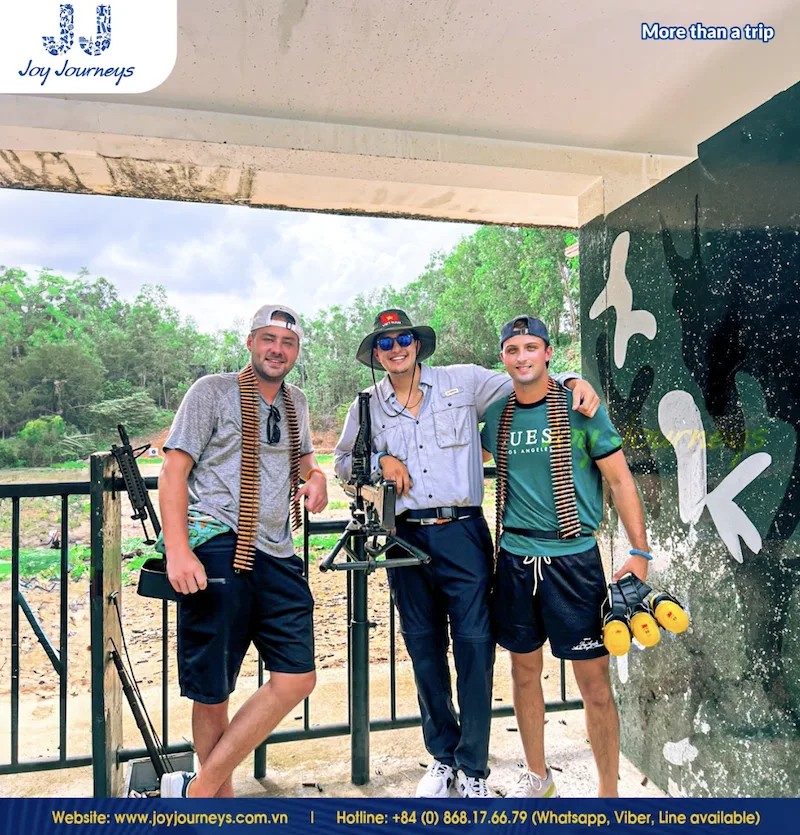
The Cu Chi Tunnels stand as one of Vietnam’s most remarkable historical sites, offering visitors a fascinating glimpse into the ingenuity and resilience that shaped the country’s wartime history. This vast underground network, spanning over 250 kilometers in its original form, served as a vital military base during the Vietnam War. Understanding the cu chi tunnels map is essential for visitors seeking to navigate this complex underground system and make the most of their experience.
This comprehensive guide explores the layout, maps of both Ben Dinh and Ben Duoc sites, and practical navigation tips to help you plan a meaningful and comfortable visit to this extraordinary historical landmark.
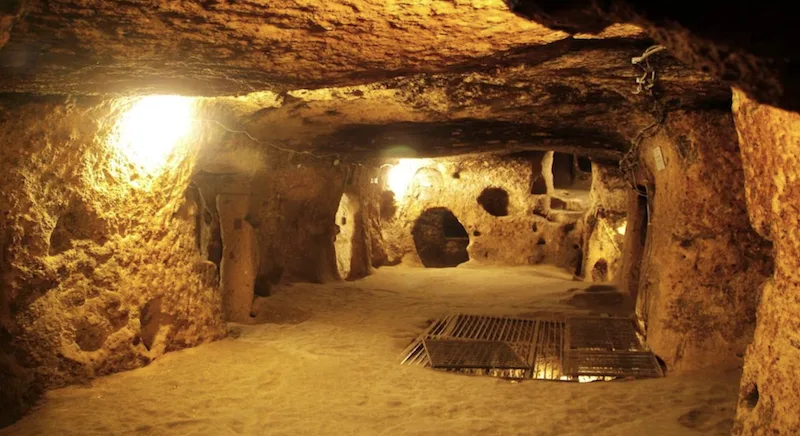
Understanding the Cu Chi Tunnels Layout
The cu chi tunnels layout represents an extraordinary feat of engineering, particularly considering it was constructed primarily using hand tools under challenging wartime conditions. The original tunnel network stretched approximately 250 kilometers, though today only about 120 kilometers have been preserved by the Vietnamese government, with even smaller sections open to tourists.
What makes the map of Cu Chi tunnels particularly impressive is its strategic design. Built in solid, compacted soil with high iron oxide content that hardens like concrete during dry seasons, the tunnels could withstand remarkable pressure from above-including the weight of tanks and the impact of bombs.
Map of Cu Chi Tunnels: The Three Levels of the Tunnels Explained
One of the most ingenious aspects of the Cu Chi Tunnels’ design was its three-tiered structure, which provided multiple layers of protection and functionality:
- Upper Level (3 meters underground): This top level could withstand artillery shells and the weight of tanks. It served as the first line of defense and included many of the entrance and exit points.
- Middle Level (6 meters underground): This level was primarily used for living quarters and cooking facilities. The famous Hoang Cam smokeless stoves were often situated at this depth, allowing fighters to prepare meals without detection.
- Lowest Level (9-12 meters underground): The deepest sections were designed to withstand even the largest bombs deployed during the war. These areas typically housed command centers, meeting rooms, and storage facilities for the most valuable supplies and documents.
This multi-level design was crucial for survival, allowing inhabitants to retreat deeper when bombing intensified, while maintaining access to different parts of the tunnel network regardless of surface activities.
Key Sections and Chambers
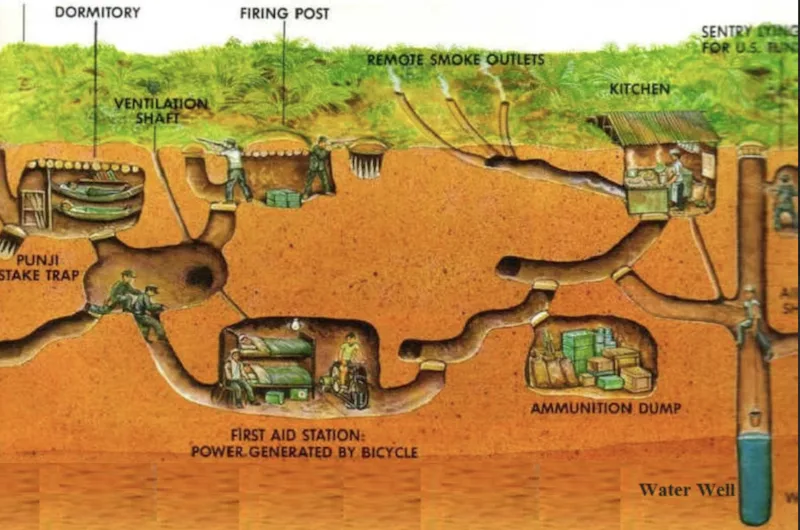
The tunnels were far more than simple passageways-they functioned as a complete underground city with specialized areas serving distinct purposes:
- Living Quarters: Simple chambers with wooden platforms for sleeping;
- Kitchens: Featuring the ingenious Hoang Cam stoves that dissipated smoke to avoid detection;
- Meeting Rooms: Where military and political discussions took place;
- Hospitals: Underground medical facilities where surgeries were performed;
- Storage Areas: For weapons, food, and essential supplies;
- Booby Trap Displays: Showcasing the defensive mechanisms used to protect the tunnels;
- Ventilation Shafts: Cleverly disguised as termite mounds to provide air circulation;
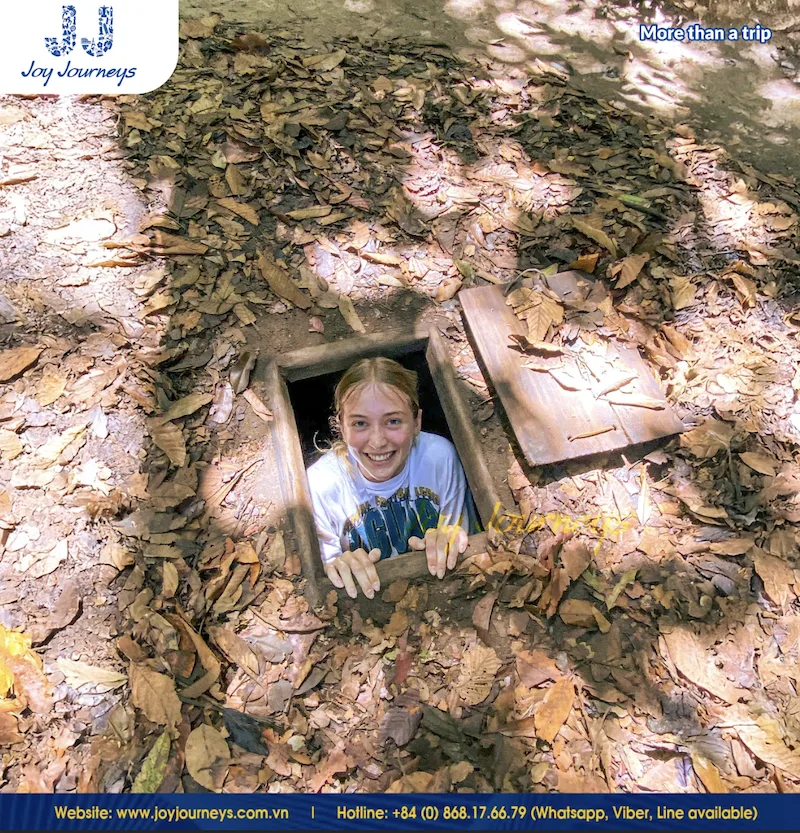
- Concealed Entrances: Often no larger than A3 paper size, these entrances were designed to accommodate Vietnamese fighters while excluding larger American soldiers.
Today’s visitors can see reconstructions of many of these specialized chambers, providing insight into how the entire underground complex functioned as a self-contained community.
Cu Chi Tunnels Map Ben Dinh
The cu chi tunnels map Ben Dinh offers visitors access to the more developed and tourist-friendly section of the tunnel complex. Located approximately 50 km from Ho Chi Minh City, Ben Dinh sits alongside the Saigon River and served as an important strategic location during the war.
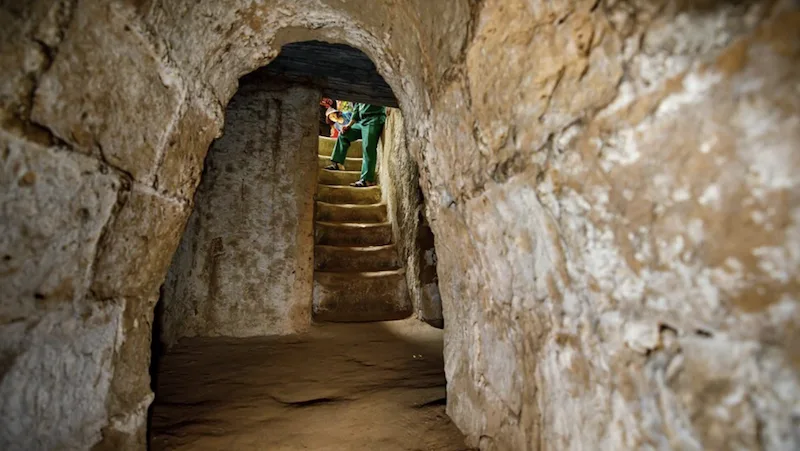
Cu Chi Tunnels Entrance Map and Key Features to Explore
When navigating cu chi tunnels at Ben Dinh, visitors typically begin at a central thatched hut where introductory information and maps are displayed. This area includes:
- Map Hut: Displays layouts of the tunnels and provides documentary screenings for context;
- Main Entrance Area: Where visitors receive briefings before proceeding to the tunnel sections;
- Demonstration Areas: Where guides show how tunnel entrances were concealed and how various traps functioned.
The actual tourist route through Ben Dinh includes:
- Four main tunnel sections showcasing underground bunkers, command posts, and medical facilities;
- Reconstructed living quarters demonstrating daily life underground;
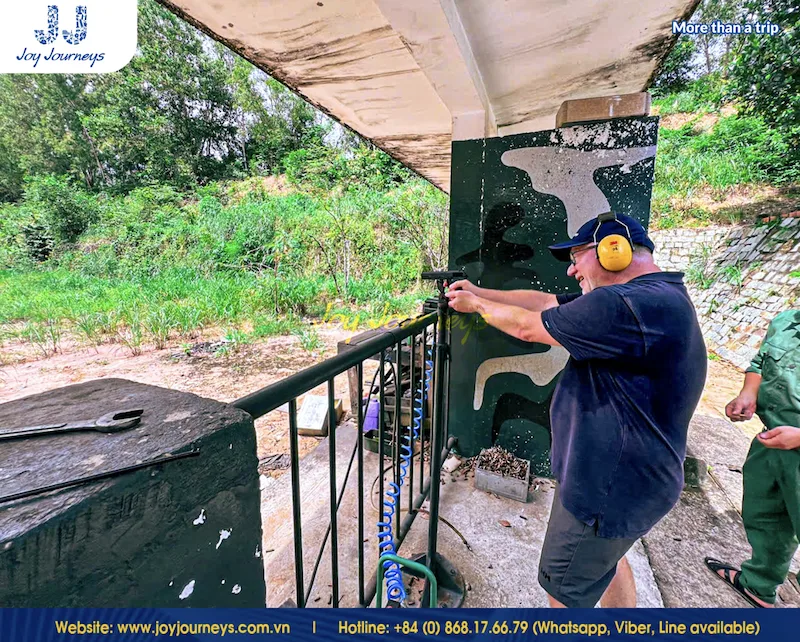
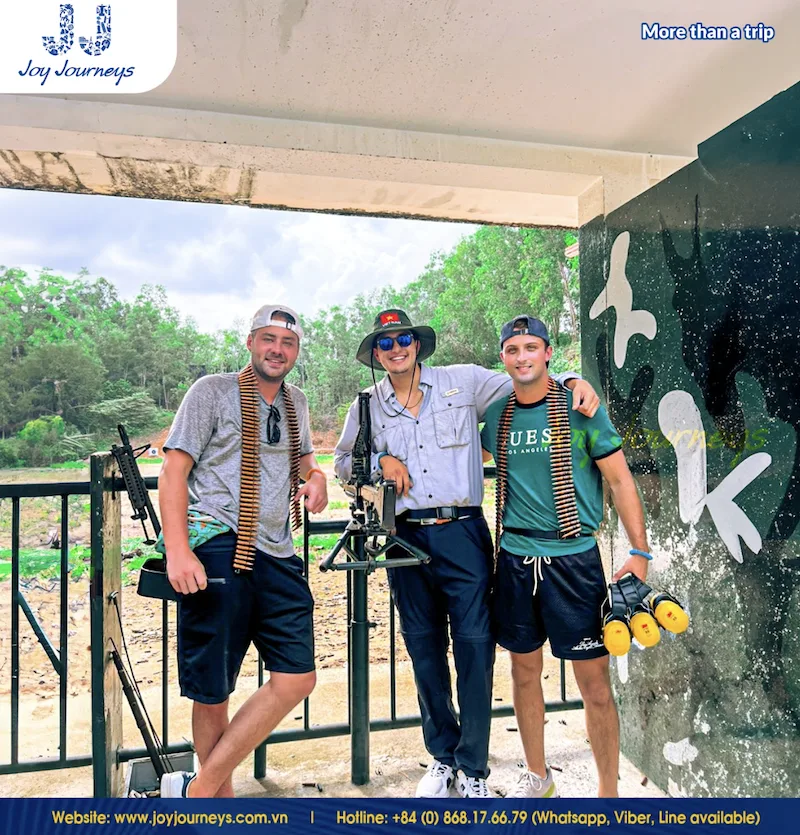
- Shooting range (optional activity near the exit);
- Souvenir and refreshment areas.
A key aspect of the cu chi tunnels entrance map at Ben Dinh is that the tunnels have been significantly enlarged to accommodate Western tourists. While still providing a sense of the confined conditions, these modified tunnels offer a more comfortable experience for visitors concerned about tight spaces.
Cu Chi Tunnels Map Ben Duoc
The cu chi tunnels map Ben Duoc covers a much larger area-approximately 100 hectares compared to Ben Dinh’s 6.7 hectares. Located about 70 km from Ho Chi Minh City, Ben Duoc offers a more authentic and less crowded experience for visitors seeking deeper historical immersion.
Key Features and Layout
The Ben Duoc site layout includes several distinct areas:
- Memorial Temple: A significant monument honoring fallen soldiers that isn’t present at Ben Dinh;
- More extensive tunnel network: Offering a more comprehensive understanding of the tunnel system’s complexity;
- Hoang Cam Kitchen: Demonstrations of the innovative smokeless cooking system;
- Separate shooting range: Positioned away from the main historical area, creating less noise disruption;
- Original tunnel sections: While still modified for tourist safety, these provide a more authentic experience closer to original dimensions.
When comparing the cu chi tunnels Ben Dinh vs Ben Duoc, Ben Duoc generally offers a more peaceful atmosphere for reflection and a deeper exploration of the tunnel network, though it requires more travel time to reach from Ho Chi Minh City.
Navigating Cu Chi Tunnels: Tips for Visitors
Whether you’re exploring Ben Dinh or Ben Duoc, understanding how to navigate the site enhances your cu chi tunnels visiting experience. These practical tips will help you make informed decisions and enjoy a comfortable, educational experience.
Choosing the Right Route
When planning your visit, consider these factors that will influence your experience:
- Time constraints: A full exploration of either site typically takes 1.5-2 hours, not including travel time from Ho Chi Minh City.
- Physical comfort: The main tourist sections have been enlarged to dimensions of approximately 1-1.2 meters in height and 0.6-0.8 meters in width. While this is larger than the original tunnels, they still require crawling in some sections.
- Experience level: First-time visitors often prefer the more accessible Ben Dinh site, while return visitors or history enthusiasts might appreciate the more authentic Ben Duoc experience.
For the best experience, follow the established visitor routes, which are designed to showcase the most significant aspects of the tunnels while ensuring safety. An interactive map cu chi tunnels display is typically available at the entrance to help you plan your route.
Managing Claustrophobia
The confined spaces of the tunnels can be challenging for visitors with claustrophobia. Here are some helpful strategies:
- Start with shorter sections: Most tourist routes begin with a 20-meter tunnel section that has an exit at the 10-meter mark, allowing you to test your comfort level.
- Use emergency exits: The tourist sections have exits approximately every 10 meters, so you’re never far from an exit point if needed.
- Focus on above-ground exhibits: If the tunnels prove too challenging, there are numerous fascinating above-ground demonstrations and exhibits.
- Communicate with your guide: Let them know about any concerns, as they can suggest alternative routes or experiences.
Remember that crawling through the tunnels is entirely optional, and many visitors have a fulfilling experience without entering the underground sections.
What to Wear and Bring
Proper preparation makes your Cu Chi Tunnels experience more comfortable:
- Clothing: Wear comfortable, lightweight clothing. Long pants are preferable to shorts for protection from scratches and insects when crawling.
- Footwear: Sturdy, closed-toe shoes with good traction are essential due to uneven surfaces and potentially slippery conditions in the tunnels.
- Small backpack: Leave bulky items behind.
- Water and sun protection: Bring water, sunscreen, a hat, and insect repellent, especially during the rainy season.
- Camera: Photography is permitted throughout most areas, though you may want to leave your camera with a companion when crawling through narrower sections.
Cu Chi Tunnels Tour Options
A guided cu chi tunnels tour significantly enhances your understanding of the site’s historical significance. Tours typically include:
- Transportation from Ho Chi Minh City: Eliminating the need to navigate public transportation.
- English-speaking guides: Providing crucial historical context and interesting anecdotes.
- Structured exploration: Ensuring you don’t miss important features.
- Practical assistance: Help with logistics, photography, and safety.
Many tour operators offer Cu Chi Tunnels experiences, with options ranging from half-day excursions to full-day tours combining the tunnels with other attractions. Small-group tours generally provide a more personalized experience than larger bus tours.
Joy Journeys offers three distinct Cu Chi Tunnels tours, each tailored to different interests and travel styles. Whether you’re looking for:
- A quieter, more authentic experience with the Ben Duoc ‘Less-Crowded’ Cu Chi Tunnels Half-Day Tour;
- A budget-friendly adventure with the ‘Cost-Saving’ Cu Chi Tunnels & Mekong Delta 1-Day Tour;
- A deep dive into history with the ‘Untold Stories’ of Saigon and Cu Chi Tunnels 1-Day Tour.
You’re free to choose the journey that best fits your preferences and schedule.
For visitors seeking a deeper understanding of cu chi tunnels history, specialized historical tours focus more intensively on the tunnels’ role in the Vietnam War, the engineering challenges of their construction, and personal stories from guides with family connections to the war.
Feel free to contact Joy Journeys via joyjourneys.com.vn , call us at +84 (0) 868.17.66.79, or email us at inquiry@joyjourneys.com.vn.
FAQs
Are there guided tours available within the tunnels?
Yes, guided tours are available and highly recommended. Local guides provide essential historical context, safety information, and fascinating insights that self-guided visitors might miss. Guides typically lead small groups through the tunnels, demonstrating features like trap doors, living quarters, and the ingenious ventilation system. They’ll also help ensure you navigate safely and can assist if you experience any discomfort in the confined spaces.
Can I explore the tunnels on my own?
While you can explore some above-ground exhibits independently, the actual tunnel sections are best experienced with a guide. If you visit without a tour, you can hire an on-site guide at the entrance. Independent exploration inside the tunnels is not recommended for safety reasons and because many historical details would be missed without expert commentary.
Are all sections of the Cu Chi Tunnels open to the public?
No, only small portions of the preserved 120 kilometers are accessible to visitors. At Ben Dinh and Ben Duoc, specific sections have been widened, reinforced, and equipped with lighting and emergency exits to ensure tourist safety. The tunnel sections open to tourists represent just a fraction of the original network but are carefully selected to showcase the most significant features and provide an authentic experience while maintaining visitor safety.
What should I do if I experience claustrophobia in the tunnels?
If you experience claustrophobia while in the tunnels, remain calm and inform your guide immediately. Tourist sections feature emergency exits approximately every 10 meters, so you’re never far from an exit point. There’s no shame in exiting early, and many fascinating exhibits above ground provide ample opportunity to learn about the tunnels without experiencing confined spaces.
Plan your visit to the Cu Chi Tunnels with our comprehensive Cu Chi Tunnels map. With a better understanding of the layout, you can explore the site more effectively and immerse yourself in the ingenuity and resilience displayed during this critical chapter of Vietnam’s history. Whether you opt for the easier access of Ben Dinh or the more authentic experience at Ben Duoc, the Cu Chi Tunnels promise an unforgettable journey through Vietnam’s rich past.
Link: https://joyjourneys.com.vn/article/cu-chi-tunnels-map-visitor-guide/