How Cameras Are Changing the Way We Watch Sports
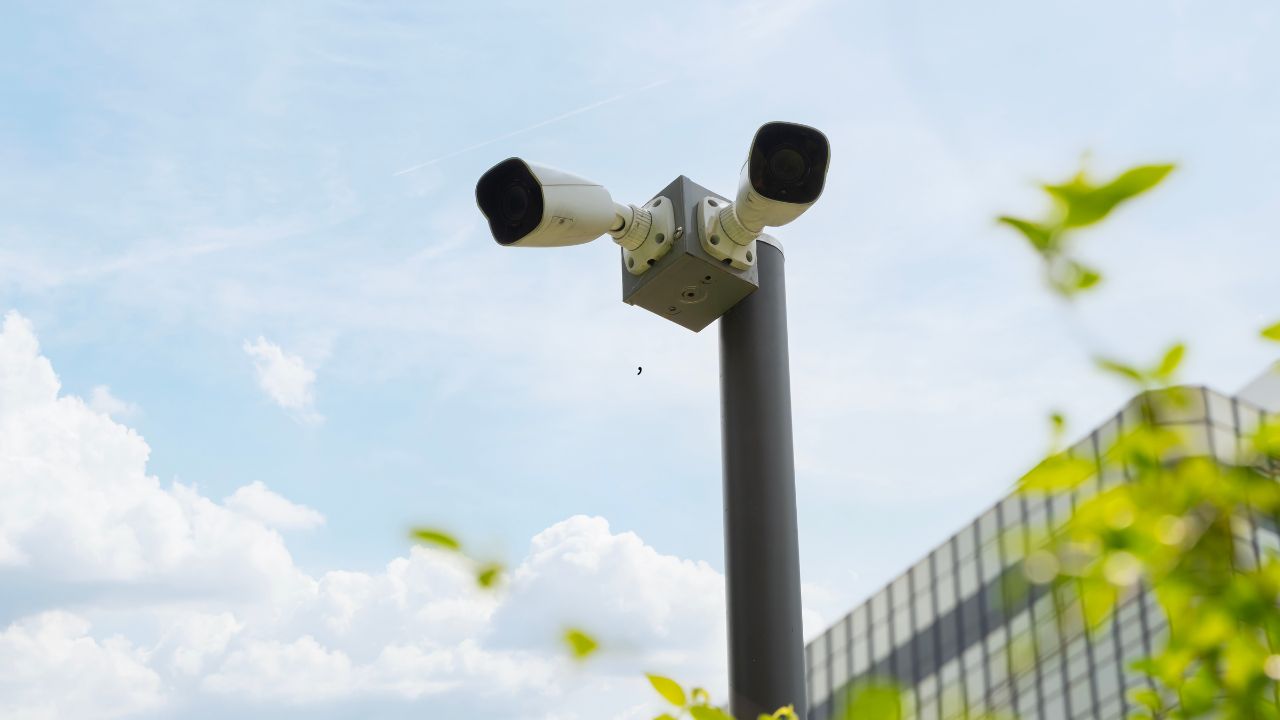
Sports have always been about speed, skill, and timing. But today, something else is shaping the game: technology. In fact, one tool has quietly become a game changer for coaches, players, and even fans. That tool is the camera. And not just any camera. A high-speed camera tracking system is now used in stadiums, training centers, and even small local clubs.
You might wonder why this matters. After all, cameras have filmed sports for decades. However, the difference today is speed and detail. Old cameras could barely keep up with a fast-moving ball. New systems can capture hundreds of frames per second. As a result, they catch details the human eye simply cannot see.
What Is Changing in Sports Technology?
Sports technology has grown fast in the last ten years. Teams no longer rely only on human judgment. Instead, they use data. This shift did not happen overnight. It took time, testing, and a lot of trial and error.
Here are a few key changes worth noting:
- Coaches can now review plays frame by frame.
- Referees use replay tools to make fairer calls.
- Athletes get instant feedback on their movements.
- Teams collect data to plan better strategies.
Because of these changes, sports have become more precise. Mistakes are easier to catch. Also, players can improve faster than before.
Why Speed Matters in Sports
Speed is the heart of most sports. A soccer ball can fly at over 60 miles per hour. A tennis serve can be even faster. Therefore, tracking these movements with the naked eye is nearly impossible.
This is where a high-speed camera tracking system becomes useful. It can follow fast objects without losing focus. Meanwhile, it records tiny details like spin, angle, and timing. These details matter more than most fans realize.
For example, a slight change in a pitcher's arm angle can affect the entire game. Without proper tracking, this detail might go unnoticed. But with the right tools, coaches can spot it right away.
The Role of Cameras in Everyday Training
It is not only professional teams that benefit. Local clubs and even school teams are starting to use similar tools, although on a smaller scale. This shows how the technology has become more affordable over time.
Training sessions now often include:
- Video review after practice
- Slow-motion playback for form correction
- Comparison between past and current performance
- Instant alerts for unsafe movements
As a result, young athletes get feedback much sooner. This helps them fix mistakes before they become habits. In addition, coaches save time since they no longer need to explain everything from memory.
Challenges Teams Still Face
Of course, no system is perfect. Even the most advanced tools come with challenges. First, the cost can still be high for smaller teams. Not every school or local club can afford top equipment.
Second, there is a learning curve. Coaches and staff need training to use these systems well. Without proper training, even good tools can be misused or ignored.
Third, too much data can be confusing. Some coaches feel overwhelmed by numbers and charts. Because of this, teams need clear ways to turn data into simple, useful advice.
Despite these challenges, most experts agree the benefits outweigh the downsides. Over time, prices are dropping. Meanwhile, training programs are helping more coaches understand the tools they use.
What This Means for Fans
Fans also benefit from this shift, even if they do not realize it. Slow-motion replays, live stats, and instant highlights all come from the same kind of technology. Without it, watching sports on television would feel far less exciting.
For instance, think about a close call in a match. In the past, fans had to trust the referee's word. Now, broadcasters can show replays from multiple angles within seconds. This makes the game feel fairer and more transparent.
In addition, fans can now access stats that were once only available to professionals. Speed, distance, and reaction time are shared during live broadcasts. As a result, watching sports has become a richer experience.
Looking Ahead
Technology in sports will likely keep growing. Some experts believe artificial intelligence will pair with tracking tools to predict player performance. Others think wearable devices will work alongside cameras for even more detail.
Either way, one thing seems clear: cameras are no longer just for capturing memories. They are shaping how sports are played, judged, and watched. A high-speed camera tracking system is not just a fancy gadget. It has become part of how modern sports work, from small clubs to major leagues.
Final Thoughts
Sports have always tested human limits. Now, technology is helping push those limits even further. Coaches understand players better. Referees make fairer calls. Fans enjoy richer broadcasts. All of this ties back to one simple idea: better tools lead to a better game.
As this technology becomes more common, it will likely feel less like something new and more like something expected. In the end, that might be the biggest change of all. Sports will not just be about who is fastest or strongest. They will also be about who uses the best tools to understand the game.
So next time you watch a replay or see a live stat on screen, remember there is a lot happening behind the scenes. It may look simple, but it took years of work to get there.
