Why Big Prints Still Grab Attention
Walk down any busy street and look up. What catches your eye first? Most of the time, it's a big sign, a banner, or a poster that's hard to miss. That's the power of size. It pulls people in before they even read a single word.
This is why so many businesses still rely on large format digital printing. It turns a simple message into something you can't ignore. Whether it's a shop front, a trade show booth, or a billboard on the highway, big prints do a job that small ones simply can't.
In this post, we'll look at why size matters, how the process works, and where you'll spot this kind of printing in everyday life.
What Makes a Print "Large Format"?
Simply put, large format printing means printing on a bigger scale. Instead of a regular sheet of paper, you're working with rolls of material that can stretch several feet wide. Think banners, vehicle wraps, wall murals, and even building coverings.
So, what counts as large? There's no strict rule, but most printers agree that anything wider than 18 inches falls into this category. Some jobs go far beyond that. In fact, some prints stretch across entire building walls.
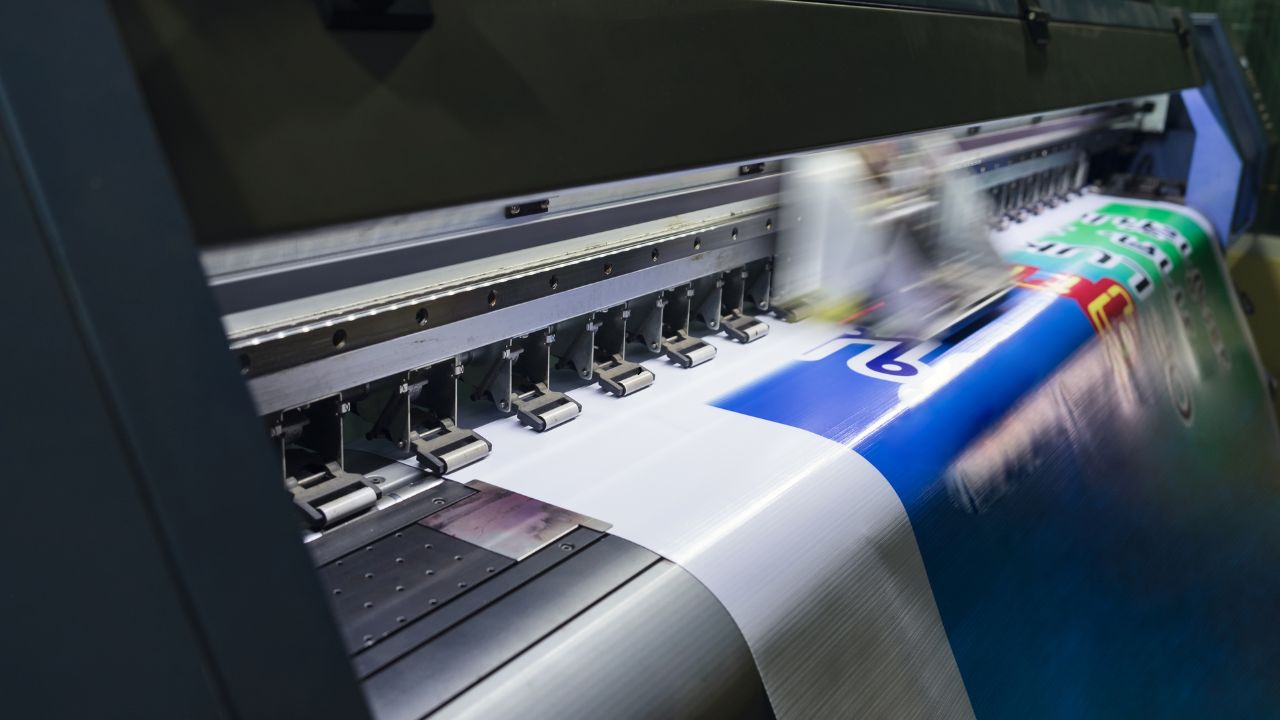
Because of the size, these prints need special machines. Regular office printers can't handle rolls that wide. That's where large format digital printers step in. They use bigger print heads, wider rollers, and stronger ink systems built for the job.
How the Process Works
The steps are not as complicated as you might think. Here's a simple breakdown:
- Design first. Every project starts with artwork. This could be a logo, a photo, or a full graphic design.
- File check. Before printing, the file gets checked for size, color, and resolution. This step matters a lot, since mistakes here show up clearly on a big surface.
- Printing. The design gets sent to the printer, which lays down ink layer by layer across the material.
- Finishing. Once printed, the material may be cut, laminated, or mounted, depending on where it will be used.
Each step builds on the last. As a result, small errors early on can turn into bigger problems later. That's why careful checking matters at every stage.
Where You See It Every Day
You've likely seen large format prints more than you realize. Once you start noticing them, you'll spot them everywhere.
- Billboards along highways
- Banners at sports events
- Posters inside malls
- Wraps on delivery vans and buses
- Backdrops at weddings or conferences
- Window graphics on storefronts
Also, many companies use these prints for trade shows. A tall, bright backdrop can pull visitors toward a booth from across the hall. On the other hand, a small table sign might get lost in the crowd completely.
Why Businesses Choose This Method
There are a few clear reasons why business owners lean toward this kind of printing.
First, it grabs attention fast. People don't read small text from far away, but they do notice bold colors and big shapes. Next, it works well outdoors. Many large format materials are built to handle sun, rain, and wind without fading quickly.
In addition, it offers flexibility. You can print on vinyl, fabric, mesh, or even rigid boards. This means one method can serve many different needs, from a simple yard sign to a full building wrap.
Finally, it saves time in busy seasons. During big sales events or grand openings, a fast turnaround for large format digital printing can make a real difference. Instead of waiting days for smaller print runs, one large piece can cover the whole message in one shot.
Common Mistakes to Avoid
Even with a strong printing method, mistakes still happen. Here are a few worth watching for:
- Low resolution files. A photo that looks fine on a phone screen might look blurry when stretched across a banner.
- Wrong color settings. Screens and printers read color differently. Without proper setup, colors can shift and look off.
- Ignoring bleed space. If the design doesn't leave extra space at the edges, important text or images might get cut off.
- Skipping proofs. A quick check before the final print run can save both time and money.
Because these mistakes are so common, many print shops now offer proofing steps before the big run begins. This small step often prevents bigger headaches later.
Choosing the Right Print Partner
Not every printer offers the same quality. So, before choosing one, it helps to ask a few questions.
Do they have experience with your type of project? Can they show past work? What materials do they offer? These simple questions can save you from confusing surprises later.
Also, ask about turnaround time. Some print shops handle same-day jobs, while others may need a week or more. If your event is close, this detail matters a lot.
Final Thoughts
At the end of the day, size still matters when it comes to grabbing attention. A small flyer might get read by a few people nearby, but a large banner or wall wrap can reach hundreds in just a few seconds.
That's exactly why large format digital printing remains such a popular choice for shops, events, and outdoor advertising. It's simple, bold, and hard to miss.
So, the next time you walk past a giant poster or a wrapped delivery van, take a second to notice the details. Behind that big, eye-catching design is a careful process built to make sure the message reaches as many eyes as possible.
