How Artificial Grass Saves Water and Reduces Maintenance Costs
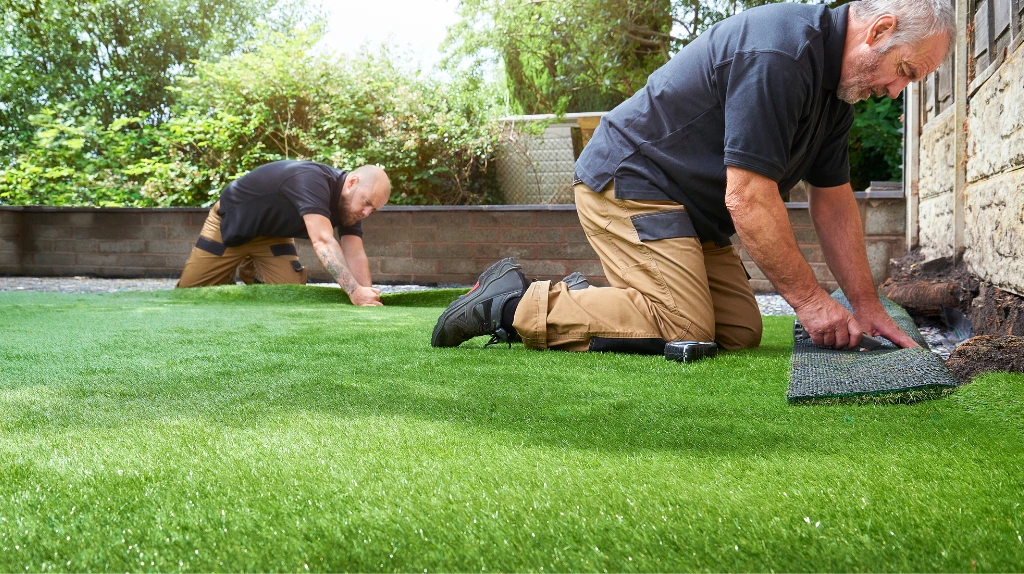
As environmental concerns grow and water scarcity becomes a global issue, homeowners, businesses, and municipalities are increasingly seeking sustainable landscaping solutions. One such solution that has gained significant popularity in recent years is artificial grass — a low-maintenance, water-efficient alternative to natural lawns. Beyond its lush, evergreen appearance, artificial grass delivers substantial benefits in terms of water conservation and reduced long-term maintenance costs. This article explores exactly how artificial turf achieves these benefits and why it is considered a smart investment for both the environment and your wallet.
The Water Challenge with Natural Lawns
Natural grass, though aesthetically pleasing, demands a tremendous amount of water to stay healthy and green—especially in regions with hot climates or long dry seasons. According to environmental studies, traditional lawns can consume up to 30–60 gallons of water per square foot annually, depending on the climate and soil conditions. In many cities, irrigation for residential lawns accounts for 40–60% of municipal water usage, especially during peak summer months.
During droughts or water restrictions, maintaining a natural lawn becomes even more challenging. Homeowners are often forced to choose between brown, patchy turf and violating local watering regulations.
Artificial grass directly addresses this issue. Since it does not require water for growth, irrigation, or seasonal upkeep, it eliminates a major water burden associated with traditional landscaping.
How Artificial Grass Saves Water
1. Zero Irrigation Needed
Artificial grass does not grow like a natural lawn, so it does not need watering to stay green. Once installed, it stays lush year-round without sprinklers, hoses, or irrigation systems. This alone can reduce a household’s overall water usage significantly—sometimes by tens of thousands of gallons per year.
In areas facing water scarcity or strict watering restrictions, this can make a dramatic difference in local water conservation efforts.
2. No Water Loss Due to Evaporation
Natural grass loses a significant amount of water through evaporation — especially in hot, dry climates. Water sprayed on natural lawns during the early morning or evening quickly evaporates in the heat, meaning more frequent watering is required.
Since artificial grass does not absorb water in the first place, evaporation is not an issue. Rainwater from storms simply drains through the synthetic turf system into the ground below, maintaining optimal surface dryness without wasting precious water.
3. No Runoff from Inefficient Watering Systems
Sprinklers and irrigation systems, if not properly calibrated, can lead to water runoff. Water may miss the grass entirely, hitting the driveway, sidewalk, or street instead. This not only wastes water but also increases your water bill.
Artificial turf requires no irrigation systems at all. With proper installation, its drainage layers handle rainfall naturally, eliminating the waste associated with overspray or misdirected irrigation.
Maintenance Savings Beyond Water
While the water-saving aspects of artificial grass are compelling on their own, the financial benefits don’t stop there. Artificial turf also drastically cuts maintenance costs associated with natural lawns.
1. No Mowing Costs
One of the most frequent and time-consuming tasks associated with lawn care is mowing. Whether you mow your own lawn or hire a gardener, the time and money spent mowing weekly adds up quickly.
With artificial grass, mowing becomes completely unnecessary. The turf remains the same height constantly, eliminating the need for lawnmowers, gasoline, maintenance of mowing equipment, and labor costs.
2. No Fertilizers or Herbicides
Natural grass often requires regular fertilization to stay healthy and vibrant. Fertilizers, weed killers, and pest control products represent ongoing expenses—some of which can be expensive and potentially harmful to the environment.
Artificial grass never needs fertilization or chemical treatments. There are no weeds to kill and no pests to treat, saving both money and reducing the use of harmful chemicals in your yard.
3. Elimination of Aeration and Reseeding
Over time, a natural lawn becomes compacted and worn in high-traffic areas. To keep it healthy, homeowners must aerate the lawn, reseed bare patches, and apply lawn repair products—all of which cost both time and money.
Artificial grass does not compact, die, or develop bare spots in the same way. It maintains its appearance through years of use without the need for aeration, overseeding, or patching.
Long-Term Cost Comparisons: Natural vs. Artificial Turf
At first glance, artificial grass may seem more expensive due to upfront installation costs. However, when evaluated over a 10–15-year period, the long-term savings become clear.
Here’s how artificial turf compares to a traditional lawn over time:
| Expense Category | Natural Grass (Annual) | Artificial Grass (Annualized) |
|---|---|---|
| Water Usage | High (variable costs) | $0 |
| Irrigation System Maintenance | Moderate | $0 |
| Mowing & Lawn Care | High | $0 |
| Fertilizers/Weed Control | Moderate | $0 |
| Aeration & Reseeding | Occasional | $0 |
| Longevity of Turf | N/A | 10–20+ years |
| Total Estimated Annual Cost | Very High | Low to Moderate |
Over several years, the cumulative cost savings on water bills, lawn care, equipment maintenance, and landscaping services can far outweigh the initial investment in artificial turf. In many cases, homeowners report that their artificial lawn has paid for itself through savings on utilities and yard care within 5–7 years.
Environmental and Quality-of-Life Benefits
Beyond the financial and water savings, artificial grass offers additional advantages:
1. Reduced Carbon Footprint
Traditional lawn maintenance — especially mowing — often involves gas-powered equipment that emits carbon dioxide and other pollutants. By eliminating these activities, artificial turf contributes to reduced fossil fuel consumption.
2. Less Chemical Use
The elimination of fertilizers, herbicides, and pesticides not only saves money but also reduces the environmental impact of chemical runoff into local waterways.
3. Durable and Pet-Friendly
Modern artificial turf is designed to withstand heavy use, making it ideal for families, pets, and high-traffic outdoor spaces. Unlike natural grass, it won't become muddy, thin, or dead in areas where people and animals frequently walk or play.
Is Artificial Grass Right for You?
Artificial grass isn’t suitable for every situation — for example, some people prefer the natural feel and biodiversity of live grass. However, for homeowners and property managers focused on sustainability, low maintenance, and long-term cost savings, artificial turf offers compelling benefits.
Before installation, consider the following factors:
- Climate conditions: Areas with long dry seasons benefit significantly from water savings.
- Usage patterns: High-traffic yards, pet areas, or play zones retain their appearance longer with synthetic turf.
- Budget planning: Upfront investment may seem high, but long-term savings can justify costs.
Conclusion
Artificial grass is far more than just a cosmetic alternative to natural lawns—it’s a practical, water-saving, and cost-effective landscaping solution. By eliminating the need for irrigation, mowing, fertilization, and lawn repair, artificial turf dramatically reduces both water usage and ongoing maintenance costs. Whether you live in a drought-prone region, want to cut down your household expenses, or simply seek a beautiful lawn without the hassle, artificial grass offers a smart, sustainable choice for the future.
May You Also Like
10+ Best Artificial Grass for Dogs: A Buyer’s Guide
10+ Best Artificial Grass Landscaping: A Buyer’s Guide
10+ Best Artificial Grass for Golf Courses: A Buyer’s Guide
