Jeep Grand Wagoneer 1990: Design Elements Modern SUVs Lost
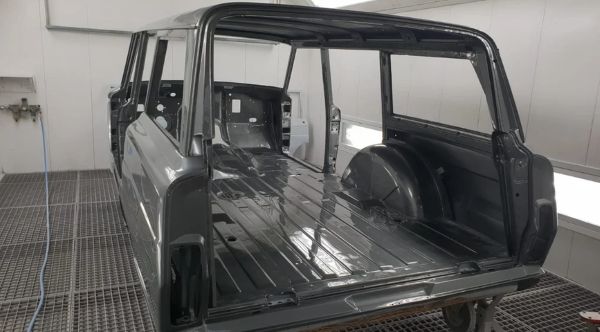
Just like many fields, automotive design has changed a lot in the past few decades, with manufacturers increasingly embracing sleek profiles, oversized grills, and way too many digital interiors. But these are not the exact qualities that defined the classic vehicles. Some of the well-known options, like the ultimate Jeep Grand Wagoneer 1990, have a reputation for relying on bold styling with practicality and an elegant character in a way that still resonates with modern enthusiasts. Sadly, this one has gone out of production, and many defining elements of it have also disappeared from modern SUVs. This makes the model a long-lasting reminder of an era when the entire style was built around timeless appeal, not short-lived trends.
Character Over Aggressive Styling
Modern vehicles achieve a bold look with the help of sharply sculpted body panels, oversized air intakes, and dramatic lighting signatures. All these elements end up creating a striking first impression, but they also make the vehicles look more like the way design trends evolve. The Grand Wagoneer is known for following a different path with its upright stance, clean body lines, and the boxy proportions in order to achieve a highly commanding presence. But the same set of features also created a bright and spacious cabin.
Woodgrain That Became an Automotive Signature
There is hardly any feature that is as closely associated with a vehicle as the woodgrain side panels of the Grand Wagoneer. Though simulated wood trim appeared on several other vehicles, no model succeeded in embracing this idea like the Jeep.
The woodgrain was a part of this vehicle’s overall identity rather than functioning as a decorative afterthought. When paired with the subtle chrome accents and classic paint colors, it always created an appearance that set this vehicle apart from all others. This type of design element has gone out of consideration in modern design completely, which is one of the reasons why a well-preserved Jeep Grand Wagoneer is so iconic.
Chrome That Enhanced Rather Than Overpowered
Chrome is one of the most popular styling features, but the way it is applied has changed a lot over the decades. Modern vehicles are using chrome grills or highly polished exterior details, but that is to create a visual impact, and most brands have started to prefer black trim.
The Grand Wagoneer was able to achieve a restrained balance where chrome framed the grille, surrounded the windows, and also highlighted the important exterior details without impacting the overall design. All these accents were placed so carefully that they complemented the traditional styling of the vehicle rather than competing with it.
Final Thoughts
The Jeep Grand Wagoneer 1990 is a great demonstration of automotive design that is not measured by how many trends it followed but by how well it managed to stand the test of time. Whether it be the balanced proportions, iconic woodgrain, tasteful chrome accents, and driver-focused cabin, every aspect of this vehicle represents a quality that many modern SUVs have left behind. And in most cases, such a shift has happened only because brands wanted to change the design fashions. With the growing appreciation for classic vehicles, preserving the distinct Jeep models with their distinctive features now comes at a very high value, whether one wants to sell it or simply relive with a vehicle that conquered the roads once but has gone out of production. Regardless of the direction in which automotive design trends are headed right now, this model continues to rule the hearts of enthusiasts who praise true craftsmanship, timeless design, and authenticity.
Visit now:: https://www.vigilante4x4.com/