Factory Automation Explained: Benefits,Future, and Types
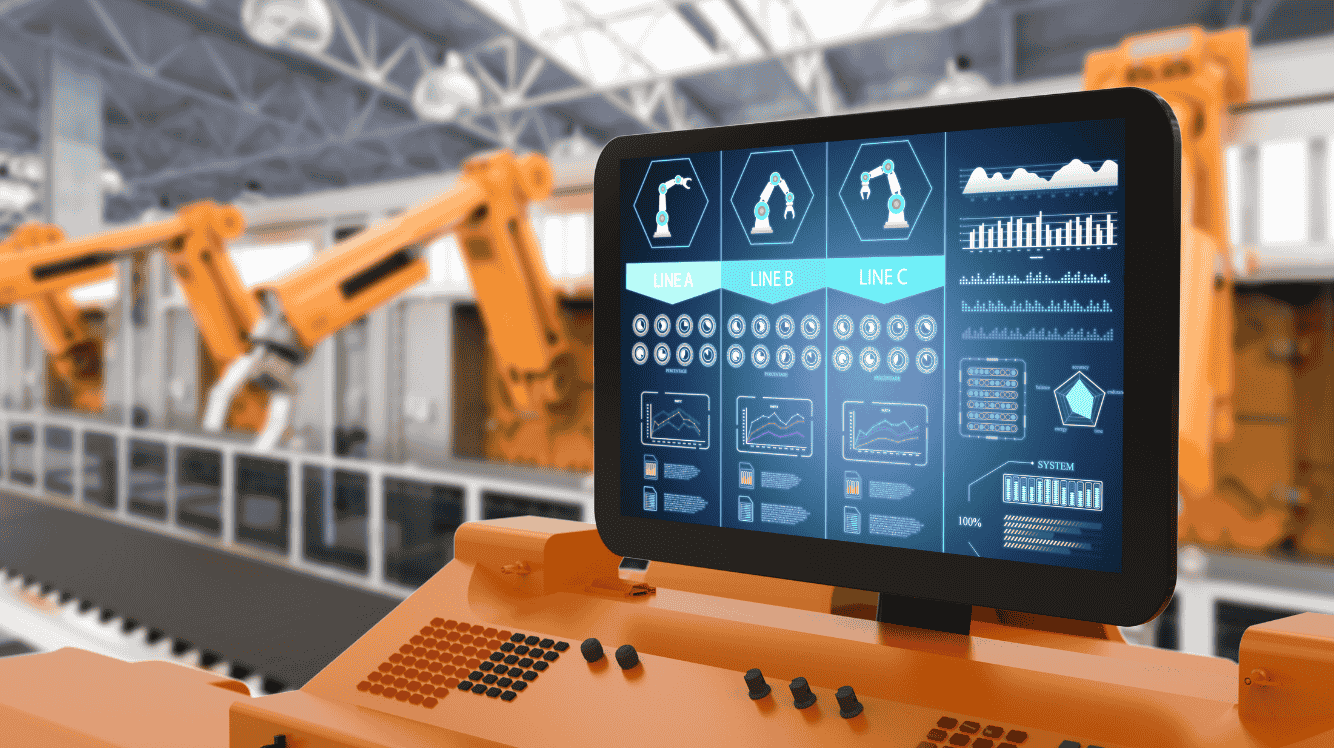
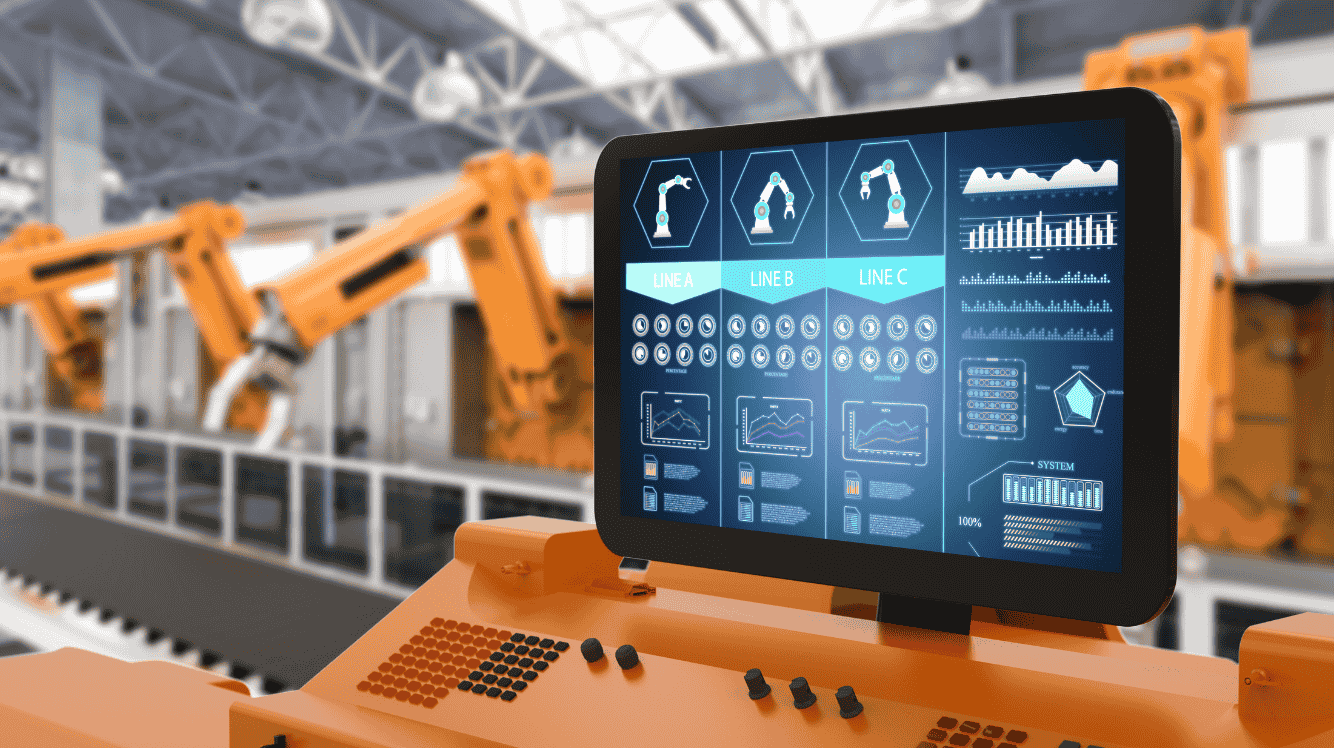
Technology is changing the way factories work. Machines are getting smarter, processes are becoming faster, and data is helping manufacturers make better decisions every day. This transformation is known as factory automation.
In today’s world, factory automation is no longer limited to big industries. Even small and medium manufacturers are using it to improve production speed, reduce waste, and maintain quality. Automated systems can monitor machines, control production lines, and even predict when a part might need maintenance.
In this blog, we will explore factory automation, why it matters, and how it is shaping the future of manufacturing. You will also learn how Autobits Labs, a leading industrial technology company, is helping factories become smarter through IIoT (Industrial Internet of Things) and advanced automation solutions.
By the end of this blog, you will clearly understand:
What is Factory Automation?
How Factory Automation Works
Core Benefits of Automating the Factory Floor
The Four Primary Types of Factory Automation
The Future of Factory Automation
Why Factory Automation Matters Today
Benefits of Factory Automation for Industries
How Itsybizz Helps Automate Factories
Let’s begin by understanding what factory automation really is.
What is Factory Automation?
Factory automation
is the process of using machines, control systems, sensors, and digital technologies to run manufacturing operations with little or no human involvement. The main goal is to make production faster, more efficient, safer, and more consistent.
In a traditional factory, many processes depend on manual labour. Workers control machines, move materials, and check product quality. In an automated factory, these jobs are handled by intelligent machines that follow programmed instructions, use real-time data, and make automatic adjustments whenever needed.
For example, imagine a packaging line where boxes are automatically filled, sealed, labelled, and checked for quality. The system uses sensors to detect any issue, such as a missing label or an underfilled box, and stops the machine for correction. This kind of automation saves time, reduces waste, and ensures every product meets the same quality standard.
How Factory Automation Works
Factory automation works by smartly combining hardware and software.
Here is how the process usually flows:
Sensors collect data on machines’ temperature, pressure, speed, or vibration.
Controllers like PLCs (Programmable Logic Controllers) use this data to make instant decisions.
Actuators or Robots perform actions such as moving parts, cutting, or welding.
Software Systems monitor and analyse the process, showing live performance data on dashboards.
Cloud or IoT Platforms store and process this information to help managers make better decisions and plan maintenance schedules.
This continuous flow of data and control creates a self-monitoring system that can run efficiently without constant human attention.
Core Benefits of Automating the Factory Floor
The shift toward automation is driven by more than just speed; it is about creating a more resilient and sustainable business model.
Skyrocketing Productivity: Unlike human labor, automated systems can operate 24/7 without fatigue. This “lights-out manufacturing” capability ensures that production continues through nights and weekends, maximizing the return on capital equipment.
Unmatched Quality & Consistency: Human error is a natural variable in manual labor. Robots perform the same task with identical precision every time, significantly reducing scrap rates and ensuring that every product meets exact specifications.
Enhanced Worker Safety: Automation excels at the “three Ds”: tasks that are Dull, Dirty, or Dangerous. By delegating high-risk maneuvers such as chemical handling or heavy lifting to machines, companies drastically reduce workplace injuries.
Predictive Maintenance: Modern automated systems use sensors to monitor equipment health in real-time. Instead of waiting for a machine to break (reactive) or replacing parts too early (preventative), AI can predict exactly when a component will fail, saving thousands in unplanned downtime.
Energy Efficiency: Intelligent systems optimize power consumption by managing machine idle times and coordinating energy-intensive processes during off-peak hours, contributing to corporate sustainability goals.
The Four Primary Types of Factory Automation
Not every factory requires the same level of technology. Automation is generally categorized into four types based on the flexibility and volume of production.
Fixed (Hard) Automation
Specialized equipment designed for a single, high-volume task. Changing the process is difficult and costly.
Best For
Mass production (e.g., bottling plants, automotive assembly).
Programmable Automation
Systems that can be reconfigured via software to handle different product batches.
Best For
Batch production (e.g., steel rolling mills, industrial presses).
Flexible (Soft) Automation
An evolution of programmable automation that allows for quick changeovers with zero downtime between different products.
Best For
High-variety, medium-volume manufacturing (e.g., CNC machining).
Integrated Automation
A fully networked system where every machine, robot, and computer communicates under a single control architecture.
Best For
Smart Factories and “Lights-out” manufacturing.
The Future of Factory Automation
As we move further into the decade, several “Industry 5.0” technologies are redefining what is possible on the shop floor.
1. Agentic and Embodied AI
The next frontier is Agentic AI, where systems don’t just follow instructions but act as independent “agents” that make real-time decisions. When combined with Embodied AI (AI inside physical robot bodies), machines can now navigate unpredictable environments and learn new tasks through observation rather than manual coding.
2. Digital Twins
A Digital Twin is a virtual replica of a physical production line. By 2026, most major manufacturers will use these models to simulate “what-if” scenarios. This allows them to test a new product run in a virtual world to identify bottlenecks before a single machine on the physical floor is ever turned on.
3. Cobots (Collaborative Robots)
The future isn’t just about replacing humans; it’s about collaboration. Cobots are designed with advanced sensors that allow them to work safely alongside human operators without the need for safety cages. Humans handle the complex problem-solving, while cobots handle the repetitive physical labor.
4. 5G and Edge Computing
To handle the massive amounts of data generated by thousands of sensors, factories are moving away from the “cloud” and toward the edge. By processing data locally via 5G networks, machines can react to changes in milliseconds, enabling truly autonomous operations.
Why Factory Automation Matters Today
Factory automation has become an essential part of modern manufacturing. It is no longer an option but a necessity for industries that want to stay competitive, reduce costs, and deliver consistent quality. In a world where speed, precision, and efficiency decide success, automation helps factories achieve all three together.
Let us understand why factory automation matters so much today.
1. Rising Demand for Quality and Speed
Customers today expect affordable products that are available quickly and made with high precision. Manual production often struggles to meet these expectations. Automation ensures that every product is made with the same level of accuracy, reducing defects and delays.
For example, automated filling machines in food factories maintain the exact quantity in every packet, avoiding overfilling or underfilling. This improves quality, reduces wastage, and builds customer trust.
2. Better Efficiency and Productivity
Automated systems work faster than humans and do not get tired. They can operate continuously for long hours while maintaining the same level of output, improving a factory’s overall productivity.
With intelligent automation, factories can track real-time production data, identify bottlenecks, and make instant changes to improve performance. This leads to better resource utilisation and higher production rates.
3. Cost Reduction and Waste Control
While automation requires an initial investment, it helps reduce long-term costs. Machines can perform repetitive tasks more efficiently, reducing the need for large labour teams. They also minimise material waste by maintaining consistent performance.
For example, automated cutting systems in textile or metal industries ensure precise measurements, which saves raw material and reduces scrap.
4. Enhanced Safety and Working Conditions
Automation helps create safer workplaces. Dangerous or repetitive tasks can be handled by machines instead of humans, reducing the risk of injuries and ensuring a better working environment.
For example, robotic systems can handle heavy materials or operate in high-temperature areas where human presence is risky. This not only protects workers but also allows them to focus on tasks that require decision-making and creativity.
5. Real-Time Data and Smarter Decisions
Modern automation systems are not just about machines working automatically. They collect large amounts of data from every part of the production line. This data helps factory managers monitor performance, track output, and identify areas for improvement.
With the help of IoT and cloud-based systems, this data can be viewed from anywhere. Managers can make decisions faster, plan maintenance schedules, and predict equipment failures before they happen.
6. Adapting to Industry 4.0
Factory automation is the foundation of Industry 4.0, also known as the Fourth Industrial Revolution. In this new era, factories are becoming more intelligent and more connected. Machines talk to each other, systems share data in real time, and artificial intelligence helps improve operations automatically.
By adopting automation, companies prepare themselves for digital transformation. It allows them to stay ready for future technologies such as AI-driven analytics, predictive maintenance, and entirely paperless factories.
7. Environmental Benefits
Automation also supports sustainability. When machines are optimised and monitored correctly, they consume less energy and reduce waste. Intelligent systems can track energy usage and help factories follow eco-friendly practices.
For example, energy monitoring systems in automated plants help identify which machines consume more power, so corrective actions can be taken to save energy and lower costs.
In Simple Words
Factory automation matters today because it helps manufacturers stay competitive, efficient, and sustainable. It improves product quality, enhances safety, saves money, and opens the door to more innovative and greener factories.
Automation is not about removing people from production. It is about giving them better tools to work smarter and achieve more with less effort.
Benefits of Factory Automation for Industries
Factory automation is transforming the way industries work. It is not just about using machines but about improving the entire production process from start to finish. Whether it is a small manufacturing unit or a large industrial plant, automation brings measurable benefits in productivity, quality, and cost savings.
Let’s explore the significant benefits that automation offers to industries today.
Higher Productivity and Output
Automated machines work faster than humans and can run 24 hours a day without breaks. This means factories can produce more in less time.
Automation also helps reduce delays between production stages because all processes are connected and managed through intelligent systems.
Example: In an automotive factory, robots can assemble parts continuously without stopping, helping the company efficiently meet high demand.
Consistent and Improved Product Quality
Humans can make mistakes when performing repetitive tasks, but machines follow the same process every time. Automation ensures that every product meets the same quality standards.
Sensors and AI-powered inspection systems can detect even the most minor defects that the human eye might miss. This helps maintain brand reputation and customer satisfaction.
Result: Fewer errors, higher precision, and uniform quality across all batches.
Lower Production Costs
While the initial setup of automation may require investment, the long-term savings are significant. Automated systems reduce material waste, energy consumption, and labour costs.
Factories can also save money on rework and rejected items since automated systems ensure better accuracy.
Example: A packaging company using automated filling machines saves raw material and reduces product wastage by maintaining exact quantities in every pack.
Increased Safety and Reduced Risk
Factory automation helps keep workers safe by handling hazardous, repetitive, or physically demanding tasks. Machines can work in high temperatures and noisy areas or safely handle heavy objects.
This allows human workers to focus on tasks that need skill, problem-solving, or supervision.
Example: Robots in metal-cutting plants handle sharp tools and hot materials, reducing the risk of injuries for human workers.
Real-Time Monitoring and Control
Modern automation systems allow managers to track every stage of production in real time. They can see which machines are running, where delays are happening, and how efficiently the line is performing.
Supervisors can use intelligent dashboards or mobile apps to control machines, schedule maintenance, and make quick adjustments to avoid downtime.
Result: Faster decisions, better performance, and improved reliability.
Better Resource Utilisation
Automation ensures that raw materials, energy, and workforce are used efficiently. Systems are designed to minimise waste, optimise energy usage, and provide maximum output from every resource.
For example, smart sensors can monitor electricity usage and automatically switch off idle machines to save power.
Scalability and Flexibility
Automated systems are easy to upgrade or expand as production needs grow. New machines or processes can be added without disrupting the entire setup.
Many automation systems can be reprogrammed to produce different products, making factories more flexible and adaptable to changing market demands.
Example: A factory producing one type of beverage can easily switch to another flavour or size by updating the system’s settings.
Data-Driven Decision Making
Automation generates large amounts of valuable data. This data helps managers analyse trends, identify problems, and plan improvements.
Data analytics help factories make informed decisions such as predicting demand, optimising maintenance schedules, and improving product design.
Result: Smarter decisions, reduced downtime, and continuous improvement.
Enhanced Customer Satisfaction
Automation helps factories meet delivery deadlines, maintain consistent quality, and offer competitive prices, which leads to better customer experiences.
When customers receive reliable products on time, their trust in the brand increases, leading to long-term loyalty and repeat business.
Environmental and Energy Benefits
Automation helps industries move toward sustainability. Machines that work efficiently use less energy and produce less waste. Intelligent monitoring systems can track emissions, energy use, and recycling processes.
Example: Energy-efficient automated systems in food processing plants reduce power use and prevent material waste, contributing to eco-friendly manufacturing.
In Simple Words
Factory automation brings a wide range of benefits, from higher productivity and lower costs to better safety and environmental care. It helps industries work smarter, not harder, and prepares them for a future where efficiency and innovation go hand in hand.
Automation does not replace humans. It helps them achieve more with fewer errors, making every factory a stronger and more competitive unit.
How Itsybizz Helps Automate Factories
Itsybizz helps factories automate by acting as the “intelligence layer” that connects disparate machines, sensors, and teams. One of its primary contributions is providing real-time production and machine monitoring. By integrating seamlessly with IoT devices and PLCs, the software captures live data, allowing managers to visualize the entire production flow through customizable dashboards. This visibility ensures that decision-making is based on hard data rather than intuition.
Furthermore, Itsybizz significantly boosts operational efficiency by reducing machine downtime. Its platform includes downtime tracking and root cause analysis, enabling maintenance teams to address issues before they lead to costly breakdowns. By automating shop-floor data collection and generating shift-wise or batch-wise reports, the software eliminates manual errors and frees up human talent for higher-value tasks.
Ultimately, Itsybizz empowers manufacturers to achieve higher Overall Equipment Effectiveness (OEE), consistent product quality, and improved workplace safety. By bridging the gap between hardware and digital analytics, Itsybizz provides a scalable, future-ready solution for factories looking to stay competitive in a global market.
Conclusion
Factory automation is no longer a “future” concept; it is the current engine of global trade. From reducing costs and waste to enabling the mass customization of products, it provides the agility needed to survive in a volatile market. As AI and robotics continue to merge, the factories of tomorrow will be more than just places of production they will be living, thinking ecosystems.
