- html + thymleaf를 이용한 오류 페이지.html을 이용하는 방법은, 단순히 오류페이즈를 화면에 전달하는 방식이다
- Api는 각 오류 상황에 맞게 오류 응답의 스펙을 정의해야 하고, Json형식으로 데이터를 전달해야 한다
Api는 각 시스템마다 응답 모양도 다르고, Api스펙도 모두 다르다
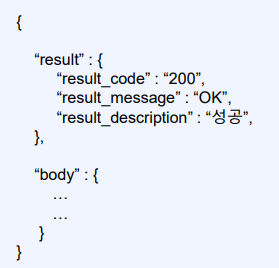
- 다음과 같은 형식으로
공통 Api 스펙을 정의하였다고 가정하자 result라는 이름의 결과의 상태들을 나타내는 부분result_code: http 상태 코드result_message: 결과 메시지result_description: 결과에 대한 짧은 설명
body부분에 내가 response로 보내는 data를 @RestController을 통해직렬화를 해서 body라는 이름으로 담아서 보내준다
🤔같은 NPE여도, controller가 다르다면 ???
- 예를 들어 Null_Point_Exception이 일어나는데
- 컨트롤럴에 따라, 어디서는
ArticleController나UserController에서 일어났다고 가정을 해본다면, 두 경우 다른 Api메시지가 나가야 된다 - 오류가 나면, body부분에 데이터가 나가지 않고 result로 정보만 준다고 합의되었다고 가정해본다면...
- ✅같은 NPE여도 응답 Api response의 result메시지 부분은 달라야 한다
- okay! 이제 Api스펙을 다르게 정의해야 하는 것을 알게되었다
🤔 Spring은 어디서 예외처리를 할까 ???
- 웹 서버에서 예외가 발생한다고 해서, 바로 그 순간 코드가 멈추지 않는다
- 그럼 대체 어디서 예외가 어디로 가는 것일까?
- Spring MVC에서 ✅컨트롤러 밖으로 예외가 던져진 경우 예외를 해결하고, 동작 방식을 변경하고 싶으면
✅HandlerExceptionResolver를 사용하면 된다 - 줄여서
ExceptionResolver이라고 한다 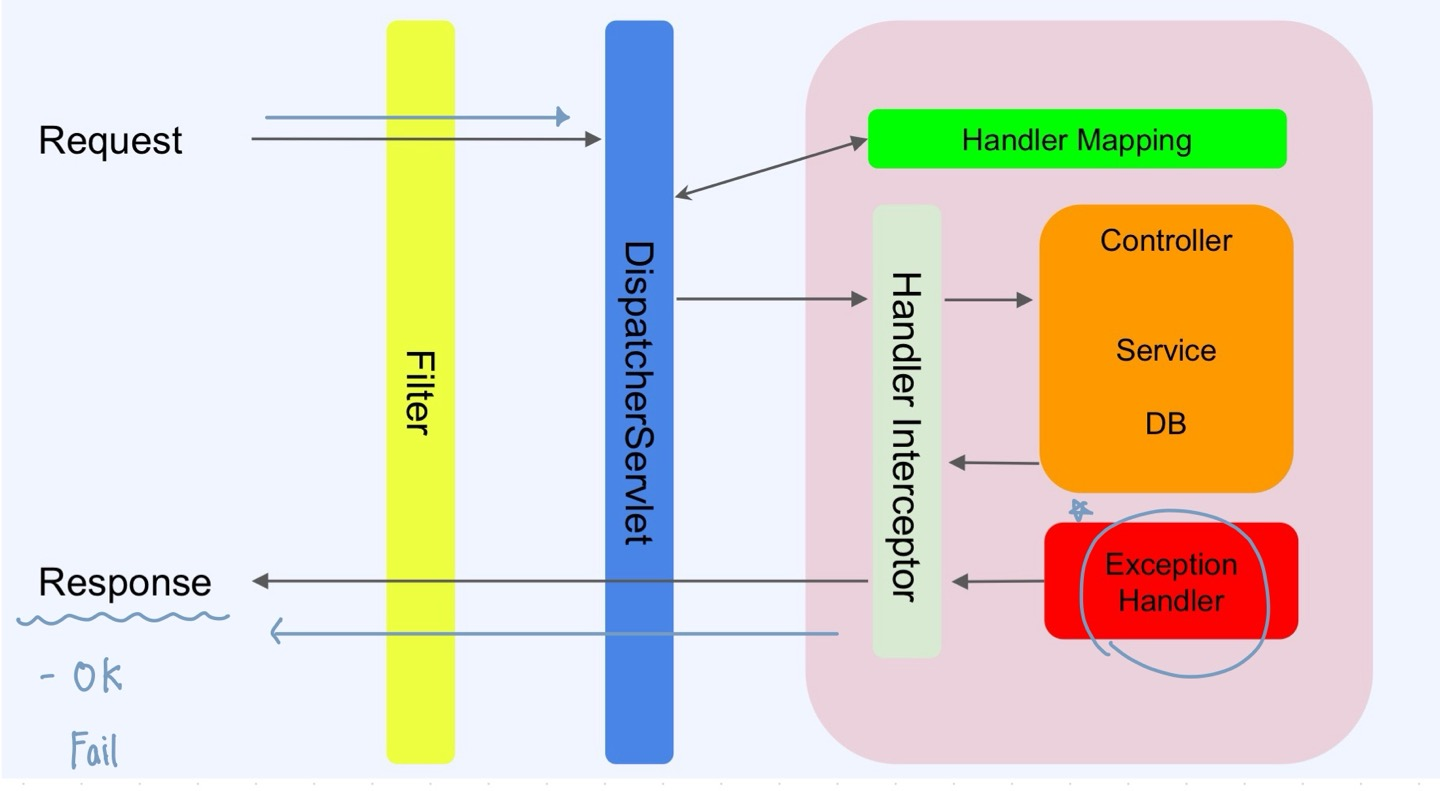
- 처음 request 후 예외 발생 -> 모든 예외는
Exception Handler로 모이게 된다 - 이곳에서 예외 처리 -> 사용자에게 지정한 Api 스펙으로 response를 내려줄 수 있다
1.ErrorCode 각각 정의
- 먼저 ErrorCode를 Api요청이 다르게 해줘야 할 것들 마다 지정을 해준다
- 그런데 앞서 같은 NPE여도, Entity마다 다른 ErrorCode가 되므로
인터페이스를 이용해서 ✅Solid의OCP원칙을 지키자!!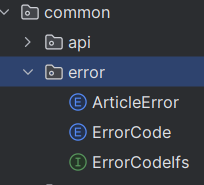
ErrorCodeIfs
public interface ErrorCodeIfs {
    Integer getHttpStatusCode();  // 실제 httpStatusCode
    Integer getErrorCode();  // 이번 프로젝트에서 사용할 code
    String getDescription(); // 설명
}
- 필요한 Error들을 구현한 후, 그 안에서 에러들을 Enum type으로 만들어서 사용한다
- ErrorCode를 이용해서, Api스펙의 result부분을 만들어 Api스펙을 정의한다
2. Exception을 만든다
- Api 스펙이 다 만들어졌으므로, Exception을 만든다
- 해당 Exception이 발생해서 -> Exception Handler로 전달된다면
- 각각 예외에 맞게 예외처리를 해준다
- 해당 예외에 대한 에러 정보를 담고, 약속된 Api스펙에 따라 만들어진 Api스펙을 사용한다
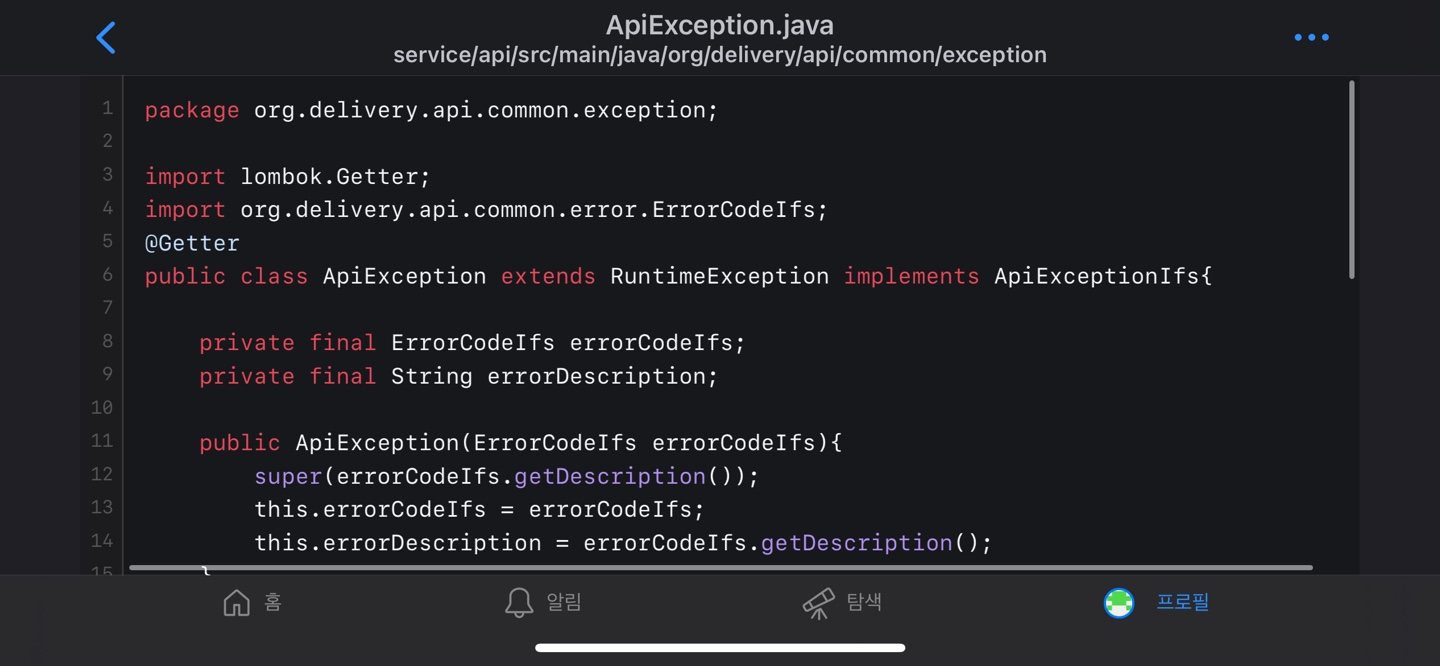
- 모두 ✅
RuntimeException을 상속 받고, 인터페이스를 구현한다 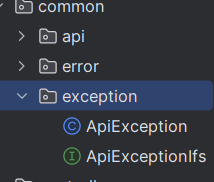
- 인터페이스로 먼저 예외를 만든 후, 다른 예외에 따라 상황에 맞게 확장을 할 수 있다
- ✅Solid의
OCP를 염두해둔 설계이다!!!
3. 상황에 맞게 컨트롤러에서, 예외 처리부분을 만든다
@ExceptionHandler어노테이션을 이용해서,- 해당 컨트롤러에서 지정한 예외가 터진다면 예외 처리 부분의 메서드가 실행된다
- 이때, 지정한 예외의 자식 클래스는 모두 같은
ExceptionHandler을 사용할 수 있다 - 하지만...
- 컨트롤러의 코드가 복잡해진다
- 컨트롤러 레벨에, 정상 처리 로직, 예외 처리 로직이 같이 있다
- Solid의 ✅
SRP원칙 위배!!!
4.✅@ContollerAdvice로 정상 코드, 예외 처리 코드 분리
- 3번에서 말했던
SRP원칙이 위배되는 것을 해결하기 위해서 @ControllerAdvice를 사용한다
@ControllerAdvice
- ControllerAdvice는 대상으로 지정한 여러 컨트롤러에서
@ExceptionHandler,@InitBinder기능을 부여해주는 역할을 한다@ControllerAdvice에 대상을 지정하지 않으면, 모든 컨트롤러에 적용된다(global 기준)@RestContollerAdvice=@ControllerAdvice+@ResponseBody- 파라미터로는
- 어노테이션을 기준으로
- 패키지명을 직접 지정
- 부모, 특정 컨트롤러를 직접 지정 할 수 있다
✅
@ExceptionHandler와@ControllerAdvice를 조합하면 예외를 깔끔하게 처리할 수 있다
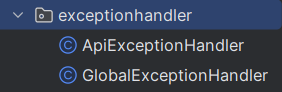
globalExceptionHandler
@Slf4j
@RestControllerAdvice
@Order(value = Integer.MAX_VALUE)
public class GlobalExceptionHandler {

    @ExceptionHandler(value = Exception.class)
    public ResponseEntity<Api<Object>> exception(Exception e){

        log.error("",e);
        return ResponseEntity
                .status(500)
                .body(
                        Api.Error(ErrorCode.SERVER_ERROR)
                );
    }
}- 로그 트레이스를 찍어서, 나중에 어떤 예외인지 확인 할 수 있다
@Order: 순서를 지정, 작을 수록 우선순위- ✅해당 예외 발생 -> Exception Handler로 이동 -> 로그 찍기 -> 지정해둔 Api 스펙대로 오류 정보를 담아서, 응답
ApiExceptionHandler
@Slf4j
@RestControllerAdvice
@Order(value = Integer.MIN_VALUE)
public class ApiExceptionHandler {

    @ExceptionHandler(value = ApiException.class)
    public ResponseEntity<Api<Object>> apiException(ApiException apiException){

        log.error("", apiException);

        ErrorCodeIfs errorCodeIfs = apiException.getErrorCodeIfs();

        return ResponseEntity
                .status(errorCodeIfs.getHttpStatusCode())
                .body(
                        Api.Error(errorCodeIfs, apiException.getErrorDescription())
                );
    }
}- ContollerAdvice를 사용하면, 해당 예외가 발생했을때, @ExceptionHandler가 있는 메서드로
- ✅Spring이 해당 예외를 넘겨준다
- ApiExceptionHandler에서는
@ExceptionHandler의 ApiException이 발생하면 - 해당
ApiException을@ExceptionHandler가 붙어있는 레벨의 메서드인apiException메서드에 전달해준다 - 해당 메서드에서 로그를 찍고, 정의해둔 Api공통 스펙을 담아서 전달해준다

개발 공부,정리