Week 3-1. Image Sampling and Pyramids
1. Image Sampling
Image Sub-Sampling
Throw away every other row and column to create 1/2 size image
Good and Bad Sampling
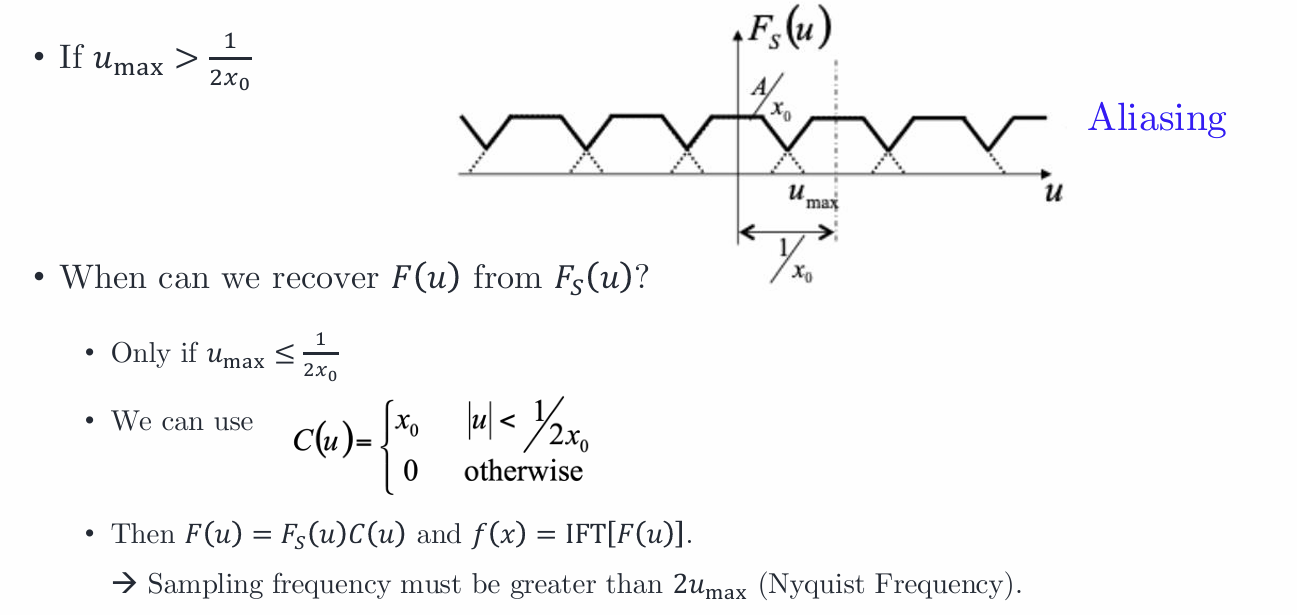
Aliasing
해상도의 한계로 우둘투둘하게 됨, 노이즈
a false or assumed identity
not enough samples
-
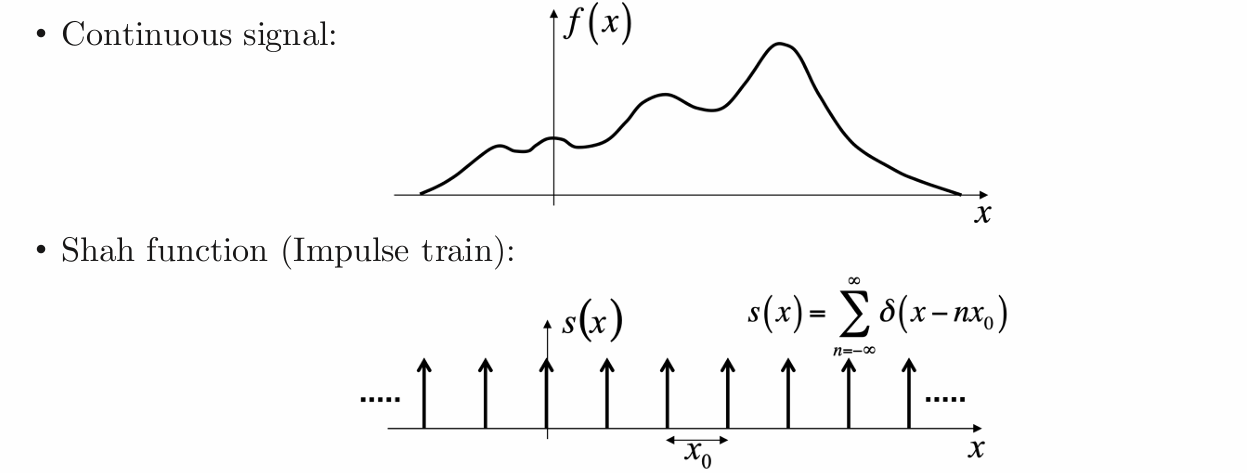
Wagon-wheel effect: spoked wheel moving clockwise, camera shutter open for fraction of a frame time
-> appears to be rotating slowly backward(counterclockwise) -
Stroboscopic effect: rotational motion, short samples
-> appears to be slow-moving, or stationary
Sampling Theorem
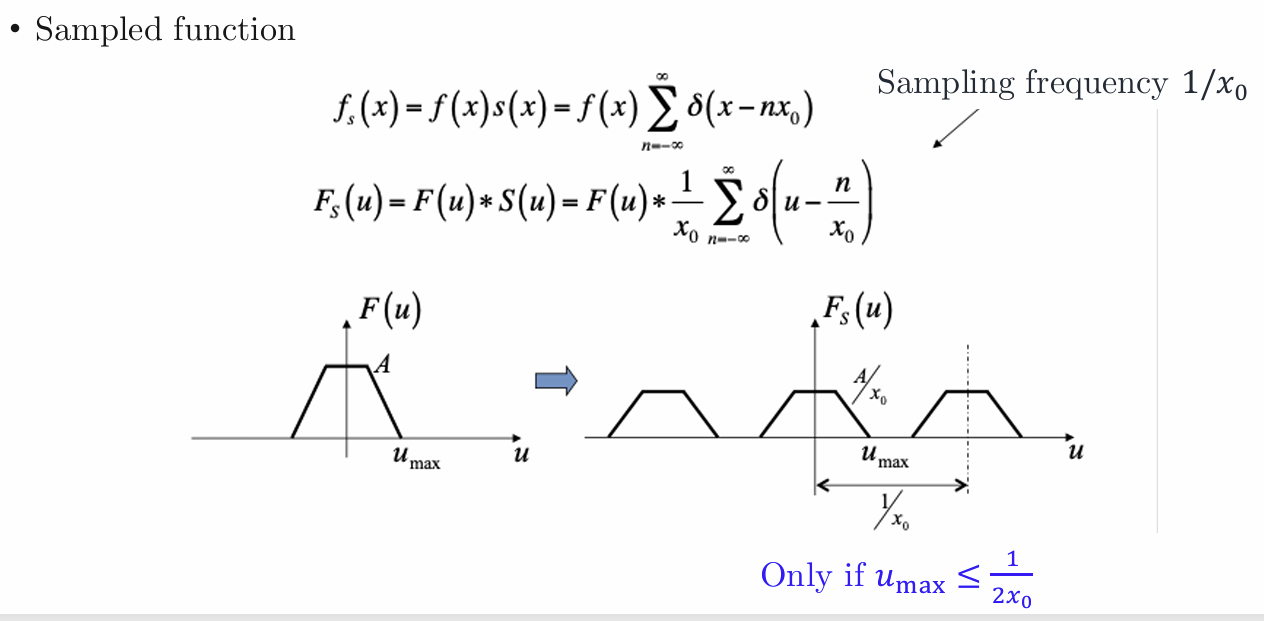
sampled function only if
Nyquist Frequency
if
Sub-Sampling with Gaussian Pre-Filtering
Filter the image, then subsample
2. Image Pyramids: Gaussian and Laplacian
Multi-Resolution Image Pyramids
다중 해상도
human visual encoding, efficient
space required for pyramids:
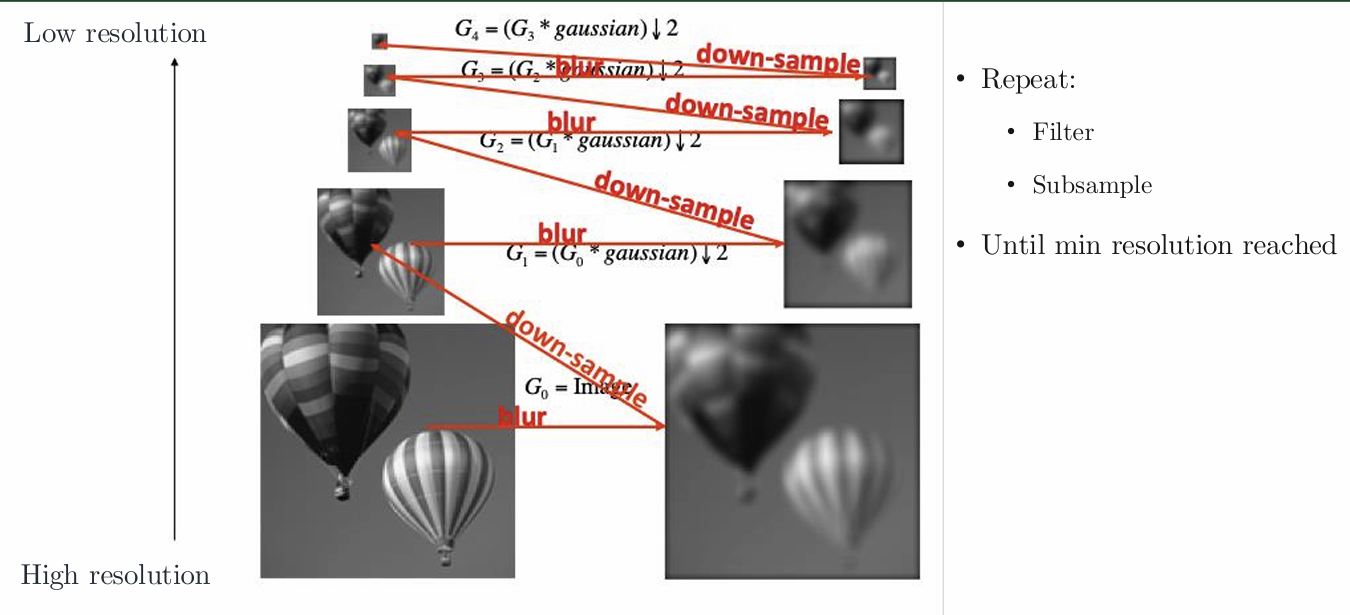
Gaussian Pyramid
Smooth with Gaussian and downsample:
suppress high frequencies, low-pass filter Gaussians
Laplacian Pyramid
second derivative
I(x,y): intensity, edge detection, interest point
Problem: sensitive to noise, computationally burdensome
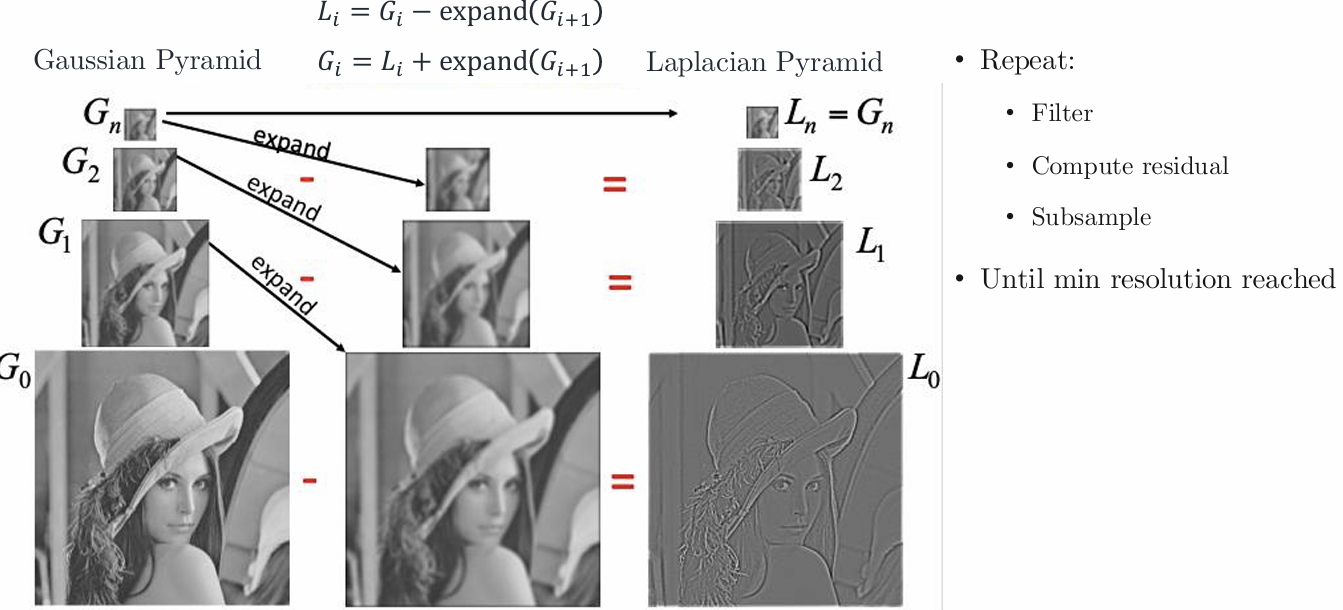
Difference of Gaussians (DoG)
3. Applications of Image Pyramids
Multi-Resolution Template Matching
- Algorithm:
image pyramid 만들면서 template, image 해상도 줄임
이미지에 match, match 위치 확인, expand image and template, match, iterate higher and higher 해상도 이미지
level 3 search entire image with correlation template
level 2 search constrained to a neighbor several pixels x, y direction
level 1 search same as 2
level 0 serach same template match 얻는 데 total time 31 to 0.5sec걸림
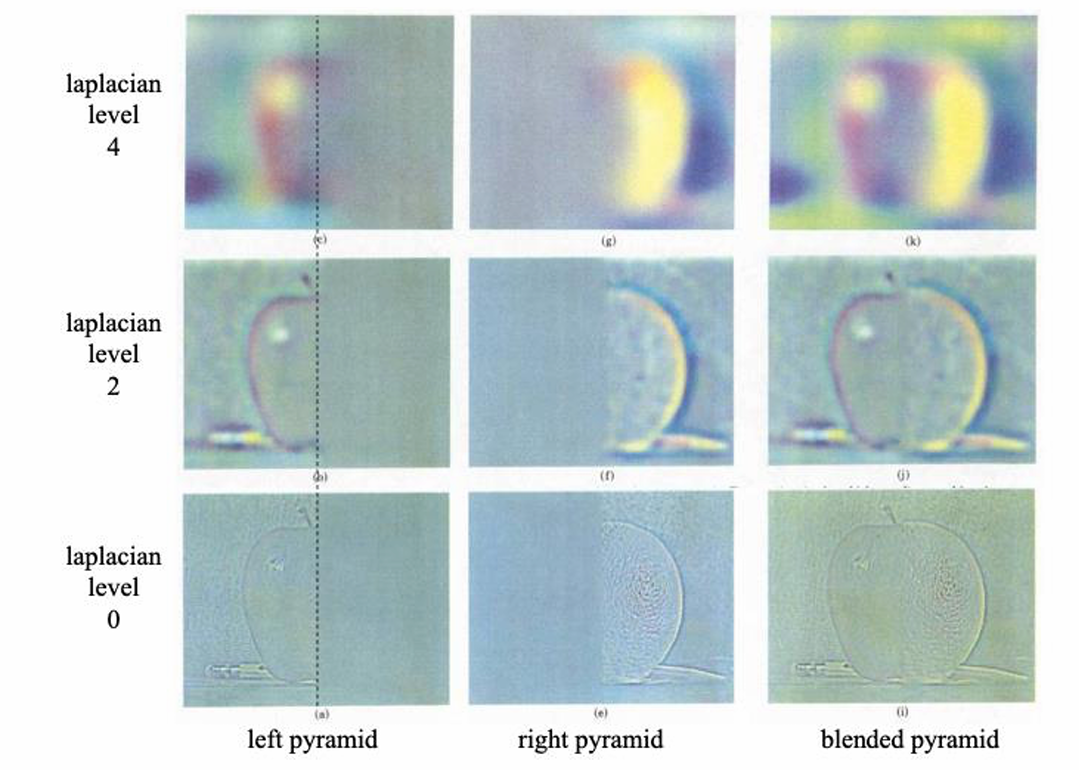
Image Blending
Laplacian pyramid from image A and B, Gaussian pyramid
from selected region R, combined pyramid from using nodes of as weights:
Sum all levels of the pyramid -> final blended image
Week 3-2. Edge Detection
1. Edges
Line segments where the image brightness changes sharply (or has discontinuities)
Convert a 2D image into a set of curves
• Extracts salient features of the scene 두드러진 특징
• More compact than pixels
- Edge Types: step, roof, line
- Ideal Edge Operator
Edge operator that produces Edge Magnitude 크기, Orientation 방향, High Detection Rate and Good Localization
Gradient
rapid change in intensity 방향 알림, edge strength- gradient magnitude
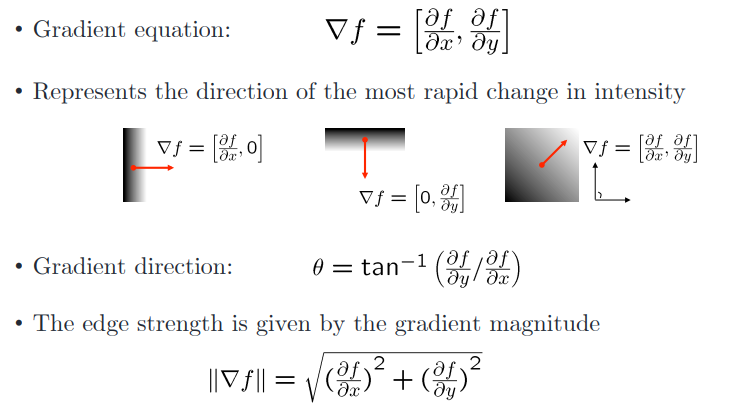
Theory of Edge Detection
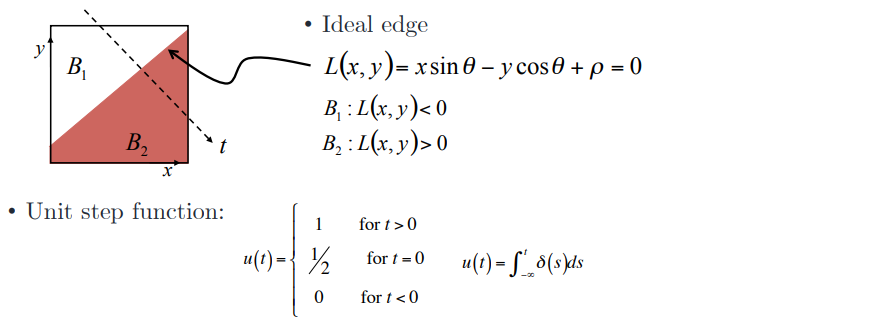
ideal edge, unit step function?
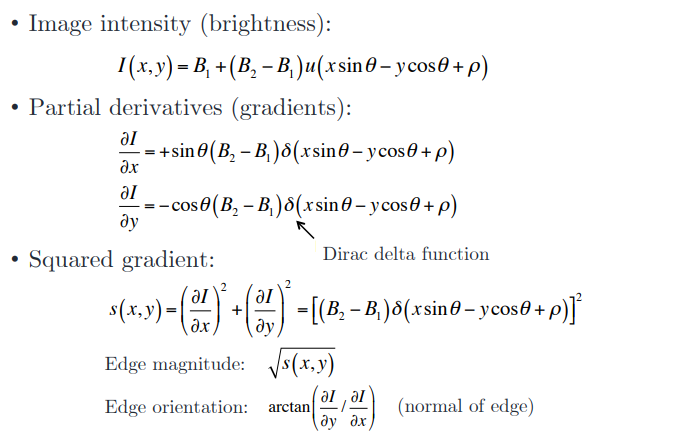
image intensity. x.y로 편미분, 제곱해서 더함- edge magnitude, orientation
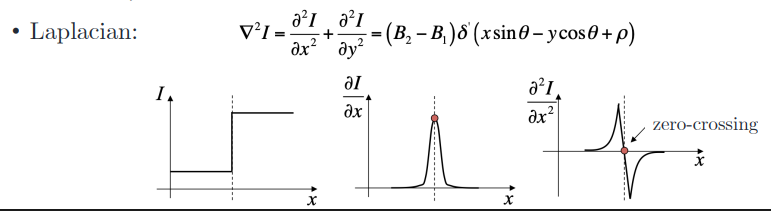
Laplacian(2차 미분)
2. Edge Detection in Image
Finite Differences
For discrete signals,
Discrete Edge Filters
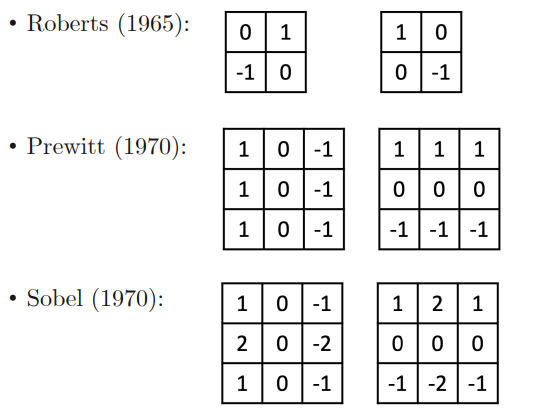
Differentiation is very sensitive to noise
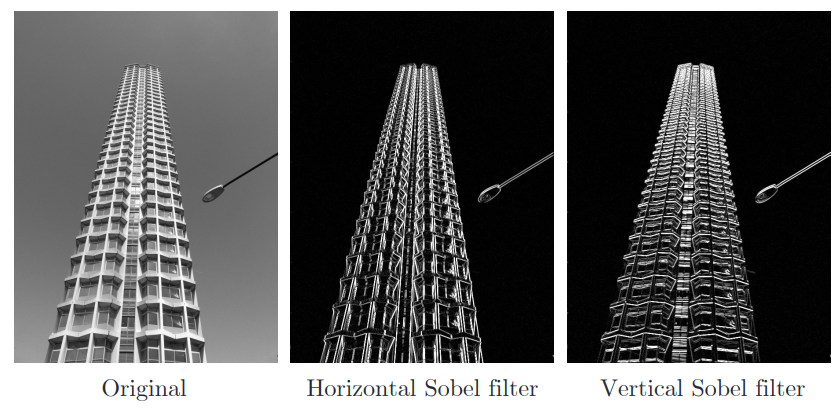
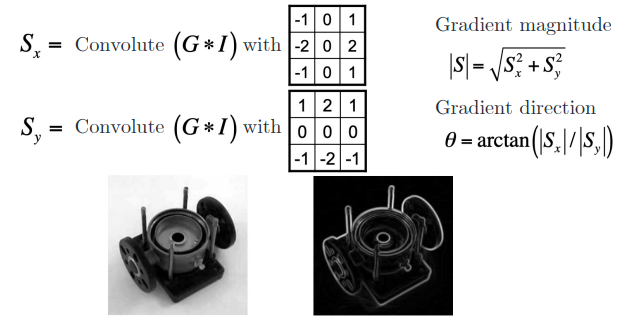
Sobel Filter
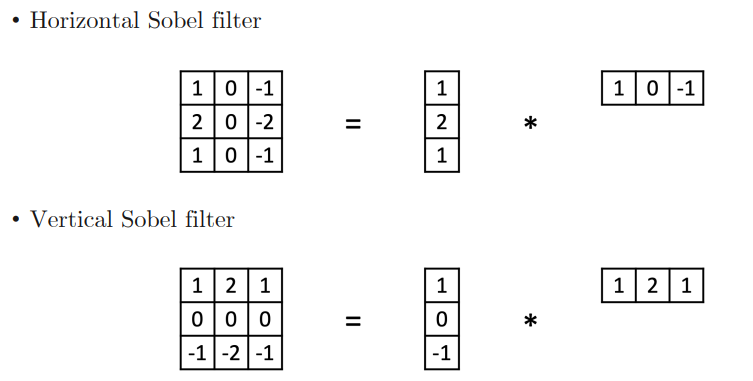
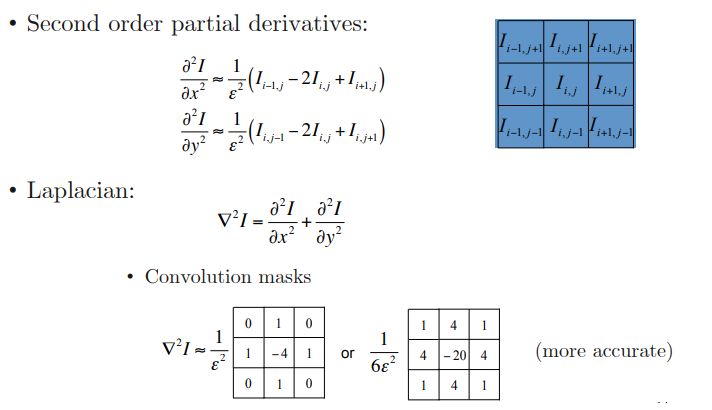
- Laplacian
2차 편미분
- Comparing Edge Operators
gradient - Roberts 2x2 - Sobel 3x3 - 5x5
Good Localization, Noise Sensitive, Poor Detection -> Poor Localization, Less Noise Sensitive, Good Detection
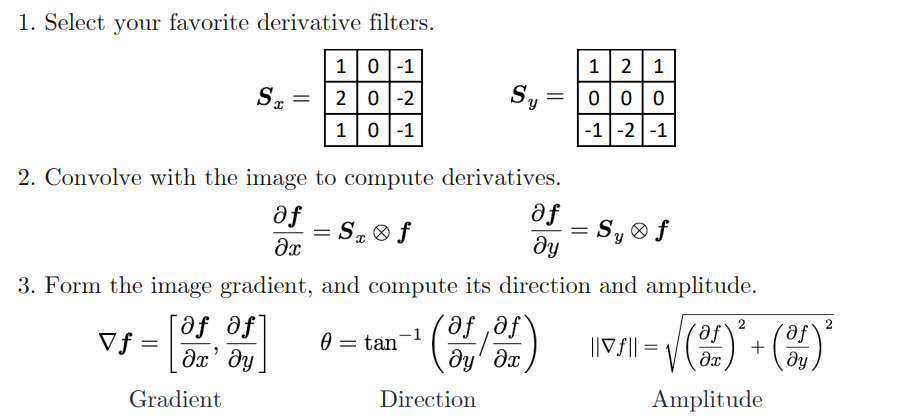
Computing Image Gradients
convolve filter with image -> derivatives
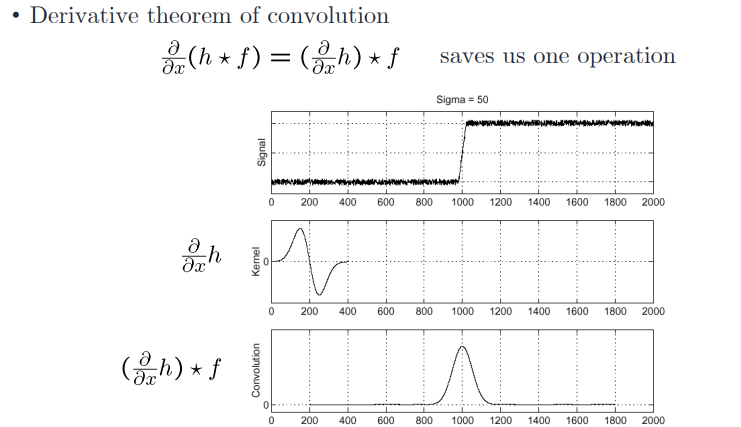
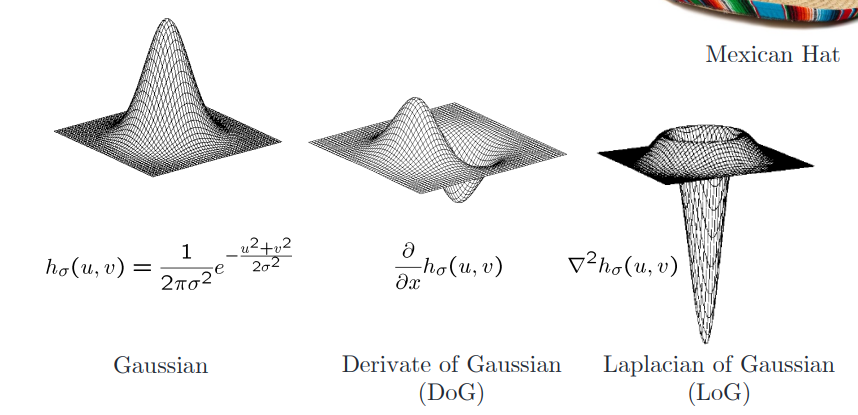
Derivative of Gaussian (DoG) Filter
f, h'
Laplacian of Gaussian (LoG) Filter
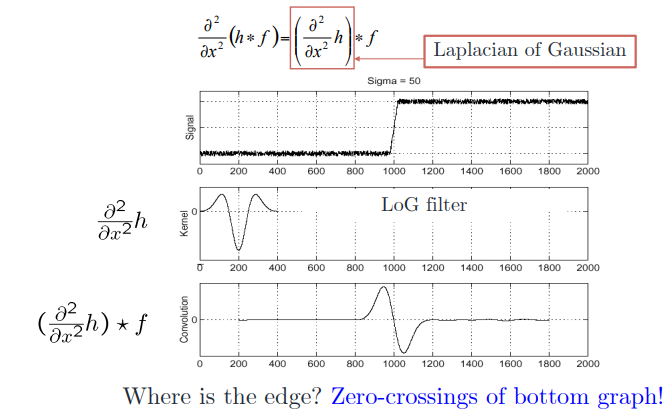
Zero-crossing point - edge
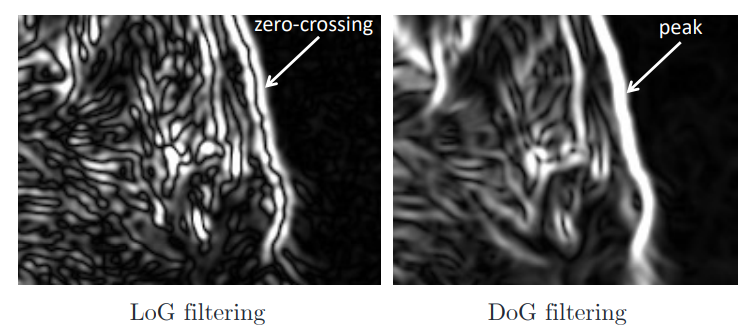
- LoG vs DoG Filtering
LoG localize edges more accurately but less convenient
- 2D Gaussian Edge Operators
3. Canny Edge Detector
- Smooth image with 2D Gaussian: G * I
- find the gradient magnitude and direction for each pixel
- Run non-maximum suppression (NMS)
:Check if a pixel is local maximum along the gradient direction
compare the edge strength of pixel q with neighboring pixels p, r
if not largest, suppress it p(i.e., set to 0)
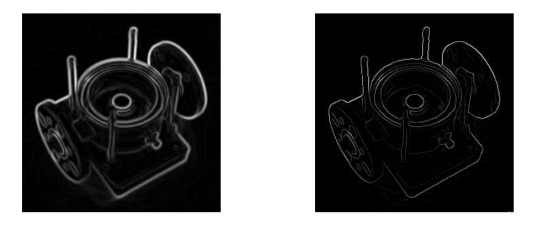
- Double thresholding and Edge tracking by hysteresis 자기 이력 현상
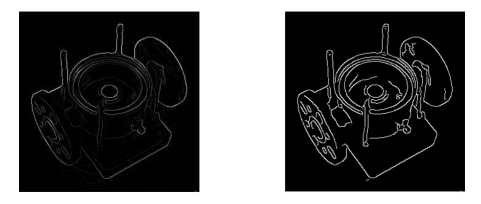
Thresholding
- Standard Thresholding: only strong edge, not coninuity
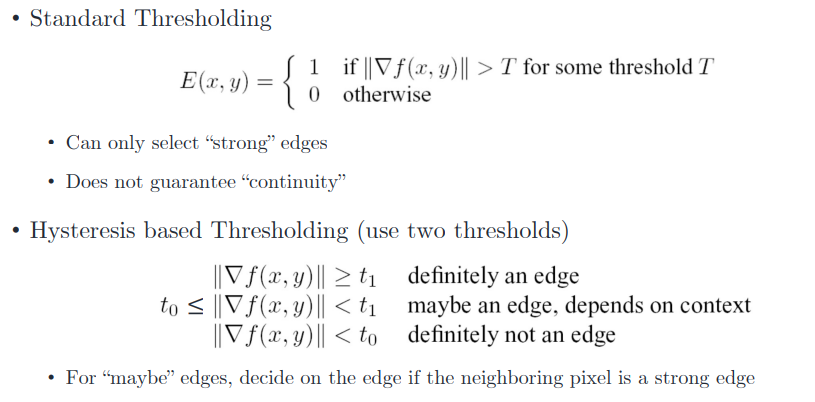
- Hysteresis based Thresholding: neighboring pixel is strong edge - "maybe" edges are edges
Canny Edge Detector
large detects large-scale edges,
small detects find features
high threshold, low
- Parameter setting is critical- not easy