📅 2026-04-07
C++ 하루에 조금씩이라도 공부하기
산술 연산자 오버로딩
operator=
#include <cstring>
#include <iostream>

class MyString
{
    char* string_content;
    int string_length;
    int memory_capacity;

public:
    MyString(char c);
    MyString(const char* str);
    MyString(const MyString& str);

    ~MyString();

    int length() const;
    int capacity() const;

    void reserve(int size);
    void print() const;
    void println() const;

    char at(int i) const;

    int compare(MyString& str);

    bool operator==(MyString& str);
};

MyString::MyString(char c)
{
    string_content = new char[1];
    string_content[0] = c;
    memory_capacity = 1;
    string_length = 1;
}

MyString::MyString(const char* str)
{
    string_length = strlen(str);
    memory_capacity = string_length;
    string_content = new char[string_length];

    for (int i = 0; i != string_length; i++)
    {
        string_content[i] = string_content[i] = str[i];
    }
}

MyString::MyString(const MyString& str)
{
    string_length = str.string_length;
    string_content = new char[string_length];

    for (int i = 0; i != string_length; i++)
    {
        string_content[i] = str.string_content[i];
    }
}

MyString::~MyString()
{
    delete[] string_content;
}

int MyString::length() const
{
    return string_length;
}

void MyString::print() const
{
    for (int i = 0; i != string_length; i++)
    {
        std::cout << string_content[i];
    }
}

void MyString::println() const
{
    for (int i = 0; i != string_length; i++)
    {
        std::cout << string_content[i];
    }
    std:: cout << std::endl;
}

int MyString::capacity() const
{
    return memory_capacity;
}

void MyString::reserve(int size)
{
    if (size > memory_capacity)
    {
        char* prev_string_content = string_content;

        string_content = new char[size];
        memory_capacity = size;

        for (int i = 0; i != string_length; i++)
        {
            string_content[i] = prev_string_content[i];
        }

        delete[] prev_string_content;
    }
}

char MyString::at(int i) const
{
    if (i >=  string_length || i < 0)
    {
        return 0;
    }
    else
    {
        return string_content[i];
    }
}

int MyString::compare(MyString& str)
{
    for (int i = 0; i < std::min(string_length, str.string_length); i++)
    {
        if (string_content[i] > str.string_content[i])
        {
            return 1;
        }
        else if (string_content[i] < str.string_content[i])
        {
            return -1;
        }
    }

    if (string_length == str.string_length) return 0;

    else if (string_length > str.string_length)
        return 1;

    return -1;
}

bool MyString::operator==(MyString& str)
{
    return !compare(str);
}


int main(int argc, char* argv[])
{
    MyString str1("a word");
    MyString str2("sentence");
    MyString str3("sentence");

    if (str1 == str2)
        std::cout << "str1 와 str2 같다." << std::endl;
    else
        std::cout << "st1 와 str2 는 다르다." << std::endl;

    if (str2 == str3)
        std::cout << "str2 와 str3 는 같다." << std::endl;
    else
        std::cout << "st2 와 str3 는 다르다" << std::endl;
}
실행결과
st1 와 str2 는 다르다.
str2 와 str3 는 같다.
복소수 클래스 만들기
MyString 클래스가 너무 커져서 복소수 클래스 만들어서 진행
C++ 표준에 std::complex 가 이미 있어서 굳이 만들필요는 없는데 교육용으로 만듬
어떤 실수 a에 대해서
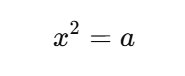
를 만족하는 x를 a의 제곱근이라고 한다.
실수의 제곱은 언제나 양수라서 음수의 제곱근은 실수로 표현할 수 없다.
그래서
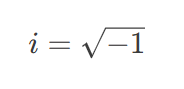
-1의 제곱근을 i로 표기하는데 이걸 허수라고한다.
class Complex
{
private:
	double real, img;

public:
	Complex(double real, double img) : real(real), img(img) {} // 초기화 리스트
}
복소수는 항상 실수부와 허수부로 나눠진다.
Complex 클래스도 실수부(real) 허수부(img)를 나타내는 변수가 있다.
class Complex
{
private:
	double real, img;
public:
	Complex(double real, double img) : real(real), img(img) {}

    Complex plus(const Complex& c);
    Complex minus(const Complex& c);
    Complex times(const Complex& c);
    Complex divide(const Complex& c);
}
이렇게 선언한다면 만약 int형 변수라면
a + b / c + d;간단하게 쓸 수 있었던 명령을
a.plus(b.divide(c)).plus(d);이렇게 써야하는데 너무 복잡해 보이지 않는가?
이걸 연산자 오버로딩을 이용해서
- plus > operator+
- divide > operator/
로 바꿔주면 개발자가 a + b/ c +d 라고 써도
a.operator+(b.operator/(c)).operator+(d);로 알아서 변환해서 처리하기 때문에
속도나 다른 부분에서의 차이없이 뛰어난 가독성으로 편리함을 얻을 수 있다.
class Complex
{
private:
	double real, img;
public:
	Complex(double real, double img) : real(real), img(img) {}
    Complex(const Complex& c)
    {
    	real = c.real;
        img = c.img;
    }

    Complex plus(const Complex& c);
    Complex minus(const Complex& c);
    Complex times(const Complex& c);
    Complex divide(const Complex& c);

    void println()
    {
    	std::cout << "(" << real << " , " << img << " ) " << std::endl;
    }
}

// +
Complex Complex::operator+(const Complex& c) const
{
	Complex temp(real + c.real, img + c.img);

    return temp;
}

// -
Complex Complex::operator-(const Complex& c) const
{
	Complex temp(real - c.real, img - c.img);

    return temp;
}

// *
Complex Complex::operator*(const Complex& c) const
{
	Complex temp(real * c.real - img * c.img, real * c.img + img * c.real);

    return temp;
}

// /
Complex Complex::operator/(const Complex& c) const
{
	Complex temp(
    	(real * c.real + img * c.img) / (c.real * c.real + c.img * c.img),
        (img * c.real + real * c.img) / (c.real * c.real + c.img * c.img)
      );

   	return temp;
}

int main()
{
	Complex a(1.0, 2.0);
    Complex b(3.0, -2.0);

    Complex c = a * b;

    c.println();
}
실행결과
( 7 , 4 )

이것 저것 다해보는 삶