Aquarium Substrate Calculator: How to Measure the Perfect Amount for Your Tank
Setting up a beautiful and healthy aquarium starts with choosing the right substrate and applying the correct amount. To achieve this, an aquarium substrate calculator can be an indispensable tool for hobbyists. This guide explains what an aquarium substrate calculator is, why it matters, and how to use it effectively to create the ideal foundation for your aquatic ecosystem.
What is an Aquarium Substrate Calculator?
An aquarium substrate calculator is a simple online or manual tool designed to help aquarists determine the right amount of substrate—such as gravel, sand, or soil—needed for their fish tanks. By entering the tank’s length, width, and the desired substrate depth, the calculator estimates the total volume or weight of substrate required.
Typically, substrates are measured either in liters or kilograms depending on their density and type. For example, finer substrate materials like sand or soil often convert to about 600 cubic centimeters per kilogram, while gravel is approximately 1000 cubic centimeters per kilogram. Using a substrate calculator ensures you don't buy too much or too little material, optimizing both cost and tank setup.

Why is Using a Substrate Calculator Important?
Choosing the right amount of substrate is key for several reasons:
-
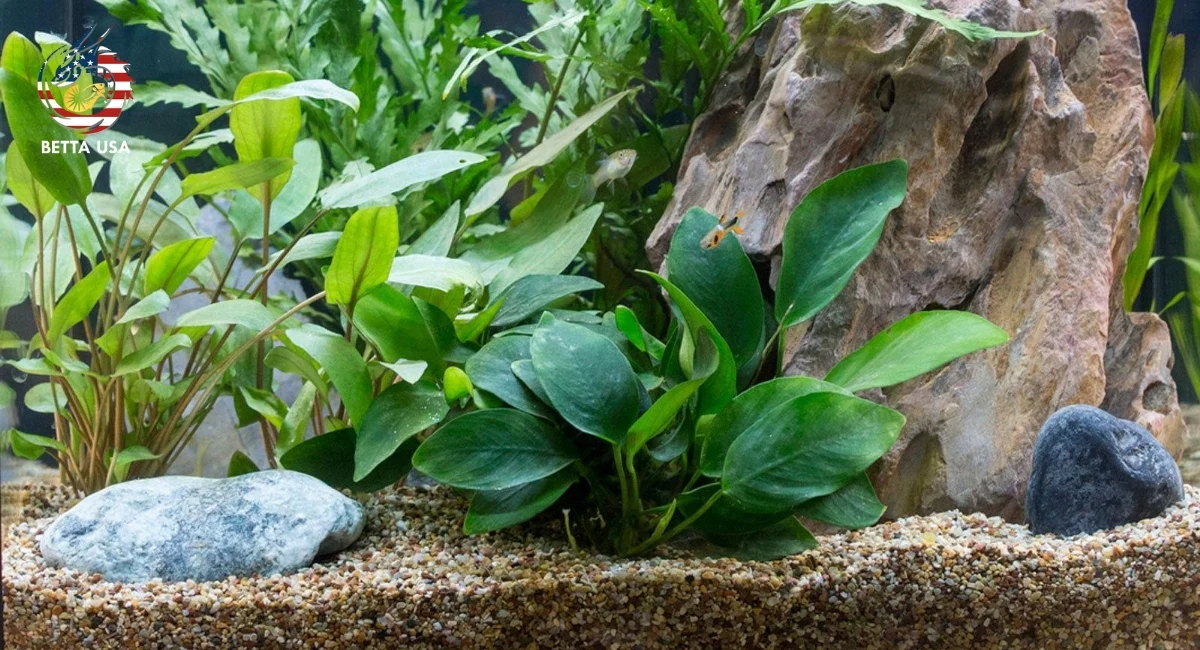
Aquatic Plant Health: Many aquatic plants need a specific substrate depth, generally between 2 to 4 inches (5 to 10 cm), to root properly and thrive.
-
Fish Behavior: Some fish species prefer a certain substrate depth or texture, which can affect their feeding and breeding behaviors.
-
Tank Maintenance: Too deep a substrate layer can reduce oxygen flow and lead to anaerobic spots, causing harmful gases such as hydrogen sulfide to form, which is toxic to fish.
-
Cost Efficiency: Purchasing just the right amount avoids waste, saving money and reducing unnecessary transport or storage issues.
Using a substrate calculator helps balance these factors by giving precise measurements tailored to your tank dimensions and goals.
How to Use an Aquarium Substrate Calculator
Using a substrate calculator is straightforward and requires three key measurements:
-
Tank Length and Width: Measure the base of your aquarium where the substrate will be spread.
-
Desired Depth of Substrate: Decide how deep you want the substrate to be. For planted tanks, aim for 2-4 inches, while fish-only tanks generally need less, about 1-2 inches.
-
Substrate Type: Some calculators allow specifying substrate types—sand, gravel, aqua soil—or you can enter data for specific product densities yourself.
The calculator multiplies length × width × depth to get the substrate volume needed in cubic centimeters or liters. It then converts this volume to weight based on the substrate’s density, helping you know exactly how many kilograms or bags to purchase.
Tips for Selecting and Applying Substrate
-
Choose Based on Tank Purpose: Aquarium gravel works well for fish-only setups, while nutrient-rich aqua soils benefit planted tanks.
-
Consider Substrate Particle Size: Finer substrates are easier for plants to root in but can compact and reduce oxygen. Coarser gravel allows better circulation.
-
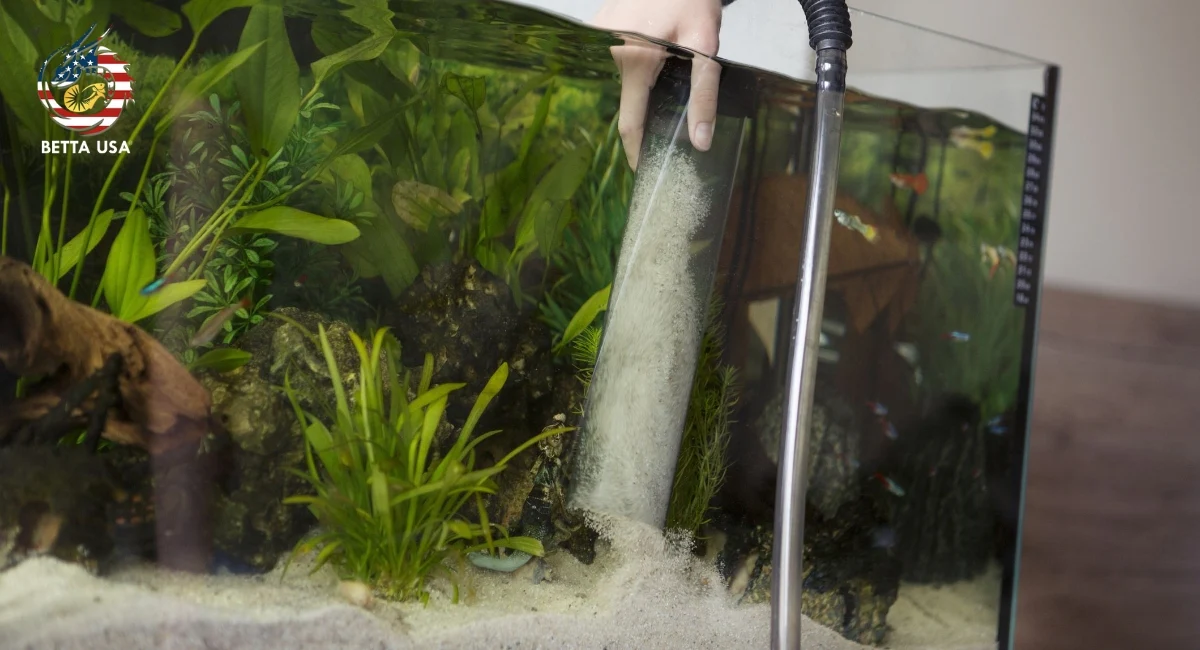
Wash Substrate Thoroughly: Before adding substrate to your tank, rinse it well to remove dust and particles that cause cloudy water.
-
Avoid Excessive Depth: Aim for appropriate depth; too much substrate can create anaerobic conditions harmful to fish and plants.
-
Use Calculator for Sloped Substrates: If you plan a substrate slope (deeper at the back), average the depth points to enter into the calculator accurately.
These practices improve your aquarium’s health and aesthetics while preventing common substrate-related problems.
Conclusion
An aquarium substrate calculator is a powerful tool that assists hobbyists in buying and using the correct amount of substrate for their specific tank size and needs. By precisely measuring tank dimensions and selecting the right substrate depth and type, you create an optimal environment for plants and aquatic life. This avoids waste, reduces costs, and promotes a healthy, thriving aquarium.
Whether you are a beginner setting up your first tank or an experienced aquascaper planning a detailed layout, using an aquarium substrate calculator should be one of your first steps to ensure success.