Sump vs canister filter: Which aquarium filtration system is right for you?
The debate between sump vs canister filter continues among aquarium enthusiasts seeking optimal water quality and tank performance. Both systems deliver powerful mechanical, biological, and chemical filtration, but they cater to different setups, from freshwater community tanks to advanced reef systems. Understanding sump vs canister filter differences helps hobbyists choose based on tank size, maintenance preferences, and budget, ensuring stable parameters for fish, corals, and plants.
How Sump Filters Work
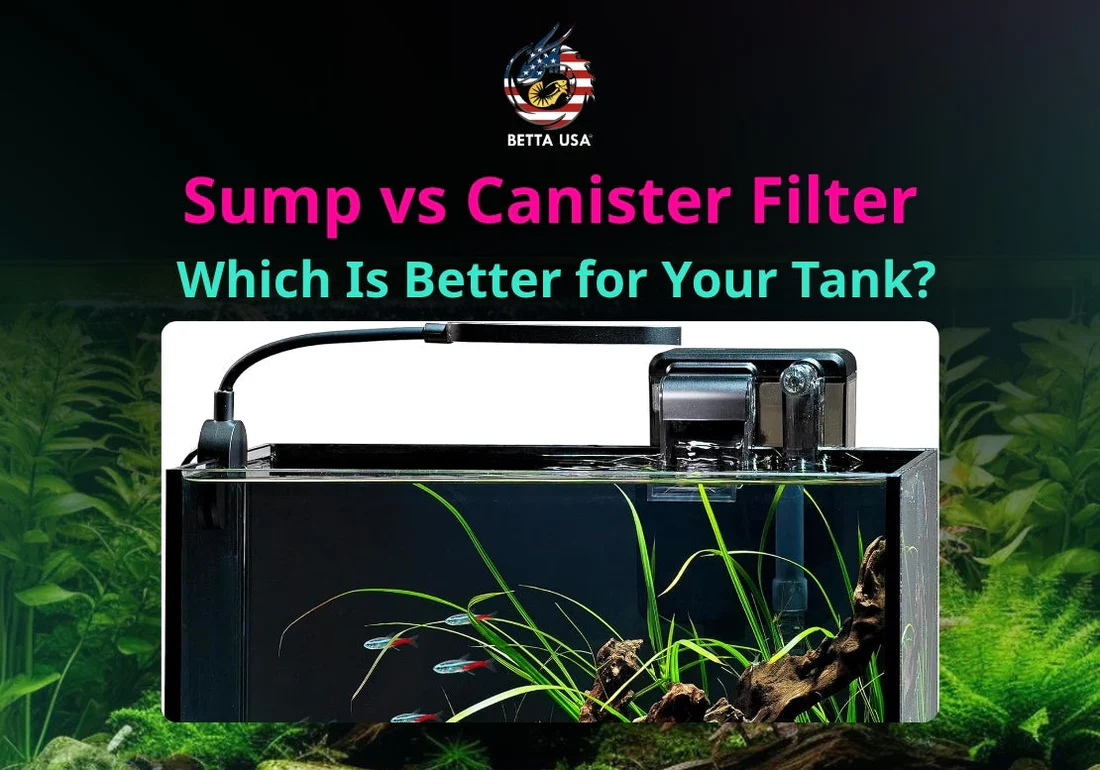
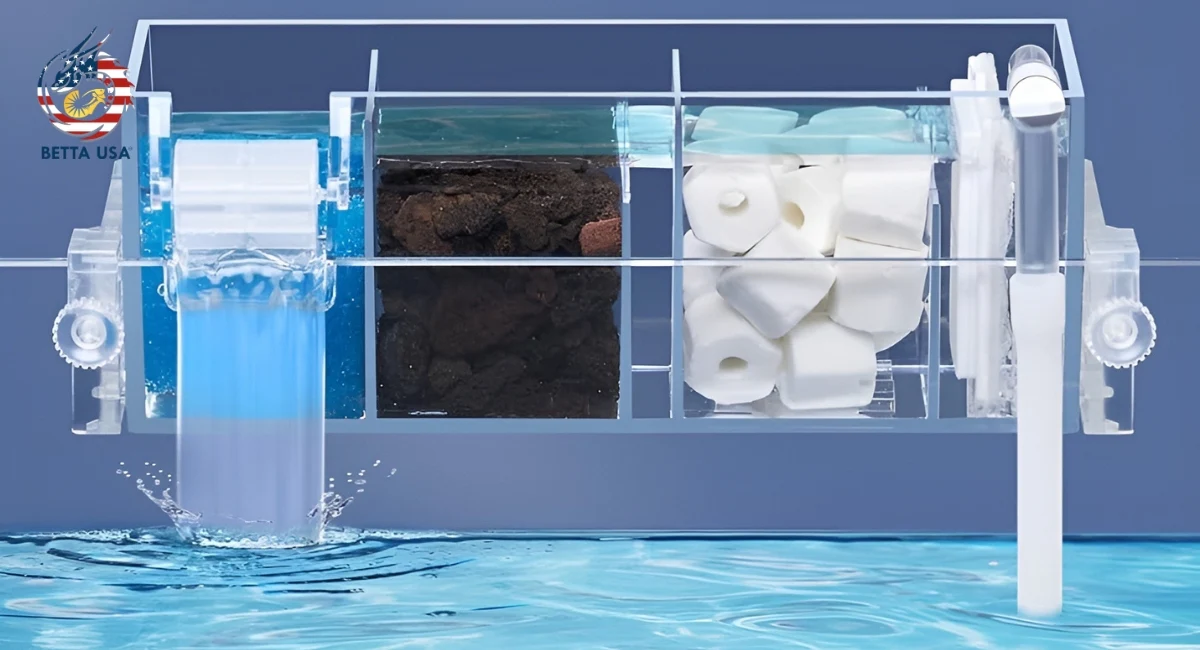
Sump filters operate by gravity, directing water from the main display tank through an overflow system into a separate sump tank usually hidden in a cabinet below. This water passes through compartments containing filter socks for mechanical filtration, bio-media like ceramic rings for beneficial bacteria, and optional refugiums for natural nutrient export.
The design adds significant water volume—often 20-50% of the display tank—diluting toxins and stabilizing temperature swings, pH, and nitrates. Return pumps push cleaned water back to the display via plumbing, allowing integration of protein skimmers, heaters, UV sterilizers, and dosing pumps in marine setups. Sumps excel in large tanks over 150 gallons where multiple canisters might otherwise be needed.
How Canister Filters Work
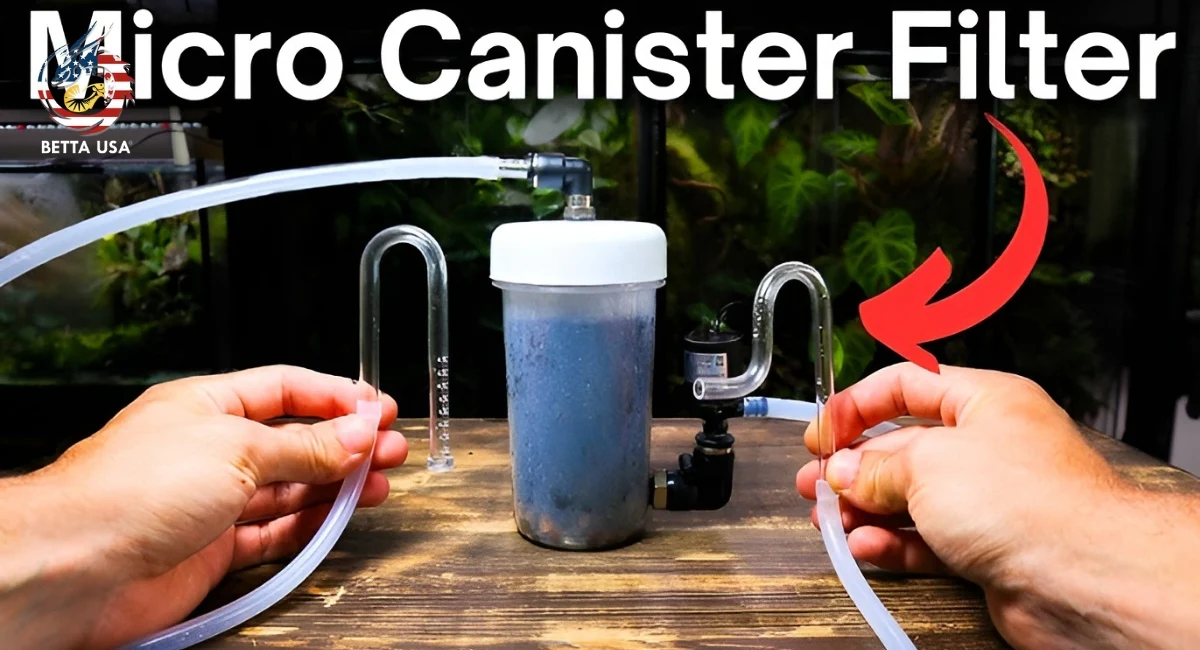
Canister filters sit externally under or beside the tank, sealed in a pressurized cylinder that pulls water through intake tubing from the tank bottom or mid-water column. Inside, stacked trays hold filter floss, bio-balls, carbon, and purigen, where a powerful impeller circulates water for multi-stage cleaning before returning it via spray bars or lily pipes.
This self-contained system provides quiet, efficient operation with adjustable flow rates suitable for 20-200 gallon tanks. Inline accessories like CO2 diffusers or heaters enhance planted freshwater setups, while priming mechanisms expel trapped air to prevent dry-running. Canisters shine in mid-sized aquariums where space constraints rule out sumps.
Key Advantages of Sump Filters
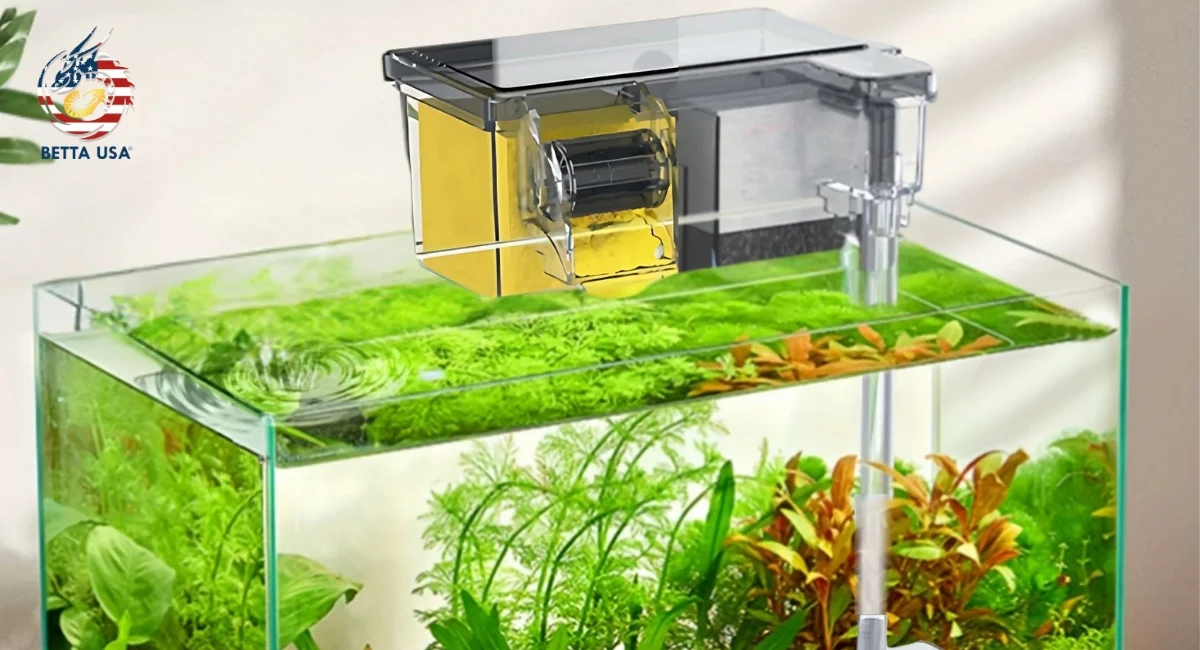
Sump filters offer unmatched customization and scalability for serious aquarists. Their spacious design accommodates vast media volumes, supporting heavy bioloads from overstocked fish or coral feeding without frequent changes. Hidden equipment creates pristine display tanks, ideal for showpiece reef or planted layouts.
Increased total system volume buffers parameter fluctuations, crucial during medication treatments or livestock additions. Versatility extends to auto-top-off systems and refugiums growing macroalgae like chaetomorpha to export phosphates naturally. While initial plumbing demands skill, long-term maintenance proves easier with accessible compartments.
Key Advantages of Canister Filters
Canister filters deliver plug-and-play convenience without tank modifications or drilling. Compact footprints fit cabinet spaces seamlessly, making them beginner-friendly for nano to large freshwater tanks. High flow rates—up to 1000 GPH—ensure thorough circulation, outperforming hang-on-back units in waste removal.
Self-priming models reduce setup hassles and media trays simplify partial cleanings every 4-6 weeks without full disassembly. Reliable for both freshwater and lighter marine systems, they handle koi ponds or cichlid aggression where sumps might leak. Quieter operation and no overflow risk appeal to apartment dwellers.
Maintenance Differences in Sump vs Canister Filter Systems
Sump maintenance involves weekly sock rinses, monthly media checks, and quarterly return pump servicing, but open access speeds tasks compared to sealed canisters. Plumbing clogs from detritus require periodic flushing, yet the system's volume forgives lapses better than canisters.
Canister filters demand biweekly pre-filter cleaning to avoid impeller strain, with full media rinses every 1-2 months using tank water to preserve bacteria. Tubing algae buildup and air pockets necessitate occasional deep cleans, risking leaks if seals degrade. Both benefit from redundancy—like backup pumps—but sumps edge out for hands-off stability.
Cost and Suitability Considerations
Initial sump costs range $200-1000+ for tanks, plumbing, and pumps, offset by scalability avoiding multiple purchases. Canisters start at $100-400, proving economical for single mid-sized tanks under 150 gallons. Ongoing expenses mirror media replacements, though sumps leverage bulk buys.
Freshwater hobbyists favor canisters for simplicity in planted or discus tanks, while reef keepers prioritize sumps for skimmers and reactors. Hybrid approaches pair canisters with sumps for ultimate filtration.
When to Choose Sump vs Canister Filter
Opt for sumps in 200+ gallon reef or heavily stocked systems needing expansion room and stability. Canisters suit 40-125 gallon freshwater or lightly loaded marine tanks prioritizing ease. Evaluate space, skill level, and future plans—sumps reward commitment, canisters deliver immediate results.
Conclusion
Sump vs canister filter boils down to your aquarium's scale and management style, with sumps dominating large, customizable setups and canisters excelling in compact, user-friendly applications. Both elevate water quality beyond basic filters, supporting thriving ecosystems. Assess your tank goals to select the system that matches your hobby vision for long-term success.