Blue Diamond vs Blue Dream Shrimp: Ultimate Comparison Guide
In the vibrant world of freshwater shrimp keeping, few varieties captivate hobbyists like blue shrimp. Among the top contenders are Blue Diamond and Blue Dream shrimp, both prized for their stunning azure hues and ease of care. But when it comes to choosing between Blue Diamond vs Blue Dream shrimp, which one reigns supreme? This in-depth comparison breaks down their origins, appearances, care requirements, breeding potential, and more to help you decide.
Whether you're a beginner stocking your first nano tank or a seasoned breeder scaling up, understanding the nuances of Blue Diamond vs Blue Dream shrimp is key. These Neocaridina davidi variants have exploded in popularity thanks to selective breeding programs that amplify their electric blue colors. Let's dive into the details.
Origins and Breeding History
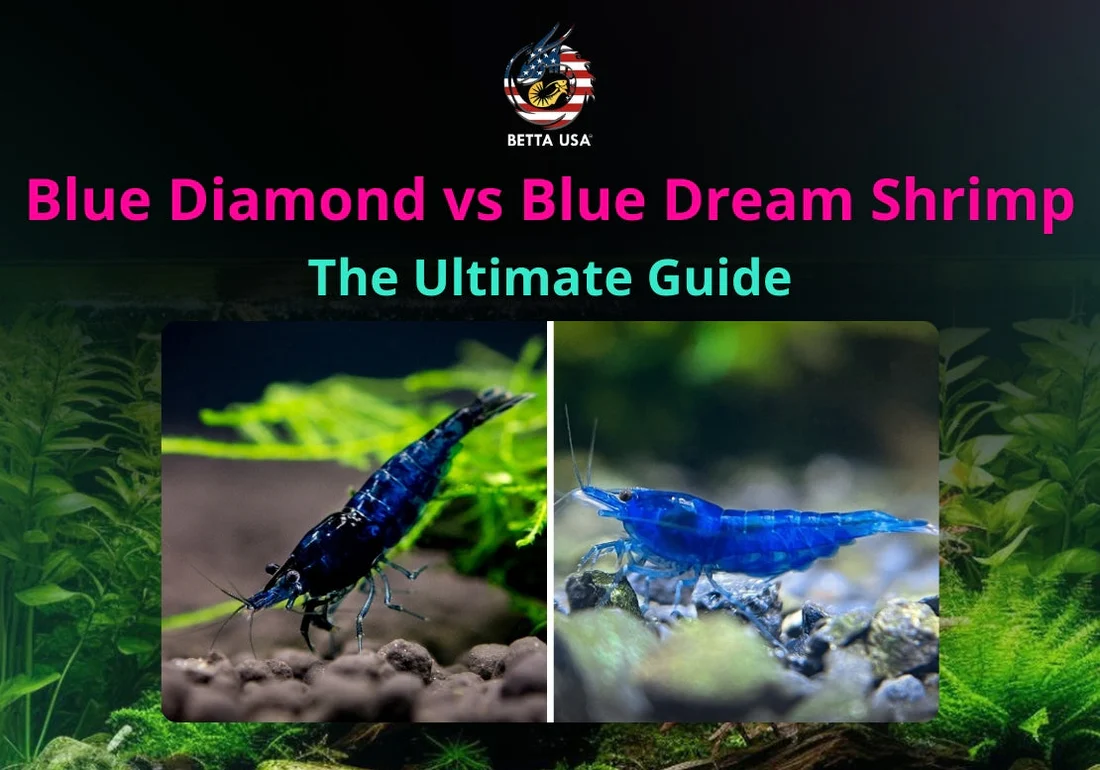
Blue Diamond shrimp trace their roots to intense selective breeding in the U.S. and Europe, starting around 2015. Breeders crossed high-grade Blue Velvet shrimp (a blue mutation of the common Cherry shrimp) to isolate the most vivid cobalt-blue specimens. The result? Shrimps with a near-solid blue body, minimal black markings, and a jewel-like sheen. They're often trademarked by sellers like "Blue Diamonds" from specific lines, emphasizing their premium genetics.
Blue Dream shrimp, on the other hand, emerged slightly later, around 2018, primarily from Asian breeders in Taiwan and Japan. They're a refined offspring of Blue Bolts, selected for an even dreamier, softer blue tone with subtle metallic reflections. The name evokes their ethereal, almost glowing appearance under LED lights. While both share the Neocaridina genus, Blue Dream shrimp often boast hybrid influences from other blue strains, leading to greater color variation.
In the Blue Diamond vs Blue Dream shrimp debate, origins matter for genetics. Blue Diamonds tend to be more stable in color inheritance, passing on 90-100% blue offspring in pure colonies. Blue Dreams, while gorgeous, can produce 70-90% blue babies, with occasional wild-type throwbacks.
Appearance and Color Variations
Visual appeal is where these shrimp truly shine—and compete fiercely.
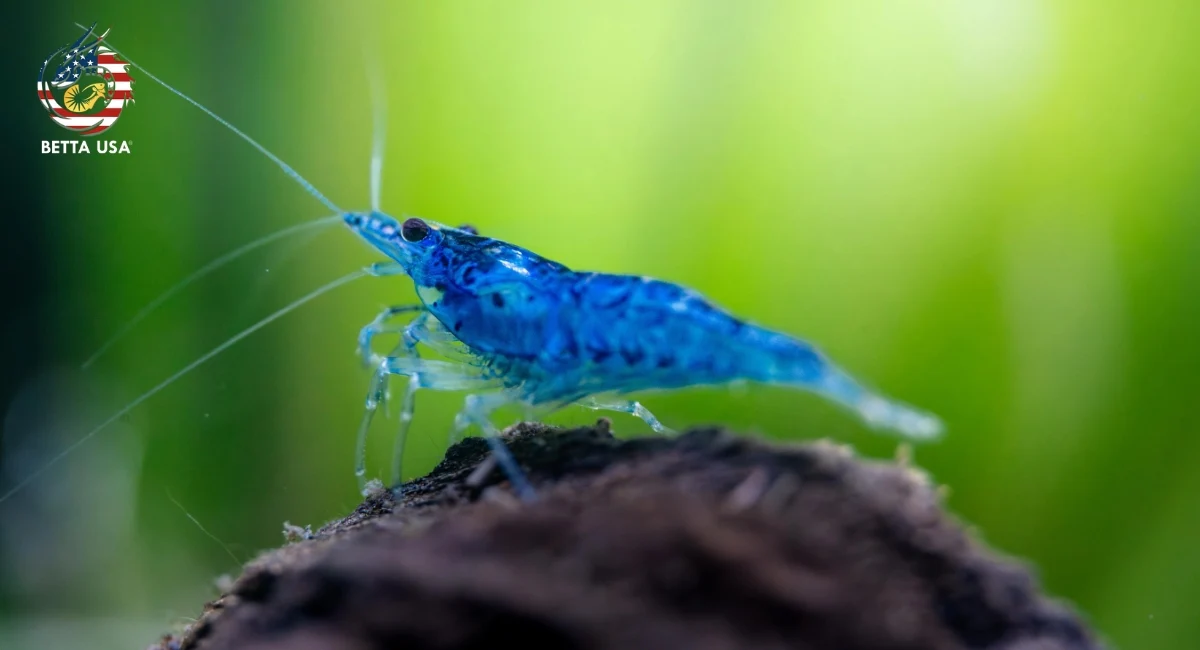
Blue Diamond shrimp live up to their name with a bold, uniform royal blue covering their entire exoskeleton. Adults display tiny white dots on the head and a faint saddle (dark patch on the back) in females, but the blue dominates. Under good lighting, they sparkle like cut gems. Size-wise, they reach 1-1.5 inches (2.5-3.8 cm), with males slimmer and more transparent.
Blue Dream shrimp offer a softer, more gradient blue—from powder blue at the head fading to deeper sapphire tails. They have a velvety texture and iridescent highlights that shift with movement, resembling a dreamlike haze. Females show a subtle yellow saddle during breeding, adding contrast. They're similarly sized but appear slightly more robust.
When pitting Blue Diamond vs Blue Dream shrimp on looks, it boils down to preference: Diamonds for punchy intensity, Dreams for subtle elegance. Both intensify with age and optimal conditions, but Blues Diamonds hold their color better in varied lighting.

Tank Setup and Water Parameters
Both thrive in similar setups, making them beginner-friendly, but subtle differences emerge.
Ideal parameters for Blue Diamond shrimp:
Temperature: 68-78°F (20-26°C)
pH: 6.5-7.5
GH: 6-8
KH: 2-4
TDS: 150-250 ppm
They tolerate a wide range but prefer stable, slightly hard water. Use a 10+ gallon tank with heavy planting (Moss, Java Fern, Anubias), leaf litter for biofilm, and hiding spots like shrimp tubes. Active filtration (sponge filter) keeps ammonia at zero.
Blue Dream shrimp mirror these specs but lean toward softer water:
Temperature: 70-80°F (21-27°C)
pH: 6.8-8.0
GH: 4-7
KH: 3-6
TDS: 120-220 ppm
They're more sensitive to copper-based meds and fluctuations, so remineralized RO water shines here. Dense aquascaping with floating plants (Salvinia) enhances their dreamy vibe.
In Blue Diamond vs Blue Dream shrimp care, both detest copper, nitrates over 20 ppm, and chlorine. Weekly 20% water changes maintain health. Blue Diamonds edge out in resilience for community tanks with snails or peaceful fish like Otos.

Feeding and Diet
Shrimp are grazers, and diet directly impacts color vibrancy.
Blue Diamond shrimp devour biofilm, blanched veggies (zucchini, spinach), algae wafers, and specialized shrimp foods like Bacter AE or GlasGarten. Protein boosts via frozen cyclops or baby brine shrimp enhance blue intensity. Feed sparingly—uneaten food spikes ammonia.
Blue Dream shrimp prefer mineral-rich foods: mulberry leaves, Indian almond leaves, and high-calcium supplements. Avoid overfeeding proteins to prevent shell issues. Their dreamier color pops with spirulina-based flakes.
No clear winner in Blue Diamond vs Blue Dream shrimp feeding, but Diamonds forgive occasional lapses better.
Breeding and Colony Growth
Breeding success defines long-term value.
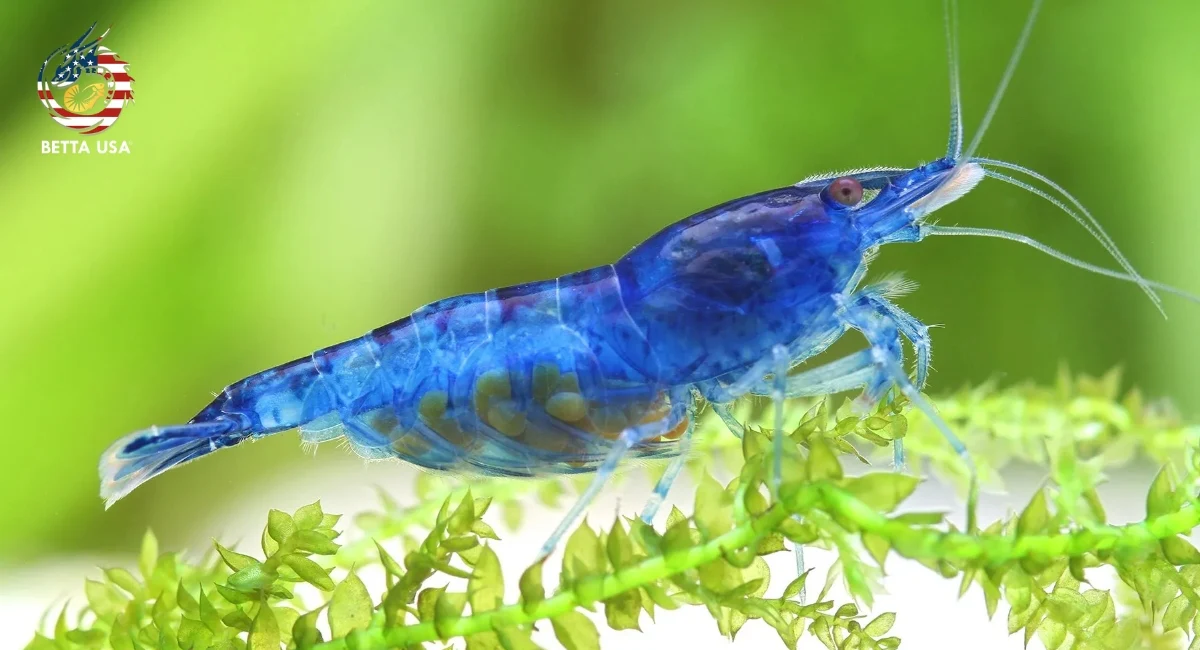
Blue Diamond shrimp breed prolifically in stable colonies, with berried females carrying 20-30 eggs. Gestation: 3-4 weeks at 75°F. Neonates survive well on active bacteria and microfauna. Pure lines yield mostly blue offspring.
Blue Dream shrimp are equally fertile (25-35 eggs), but cooler temps (72°F) optimize hatching. They're hardy shrimplets but need pristine water to avoid culls.
Blue Diamond vs Blue Dream shrimp breeding favors Diamonds for consistency, though Dreams grow faster in ideal setups, doubling colonies in months.
Pros, Cons and Pricing
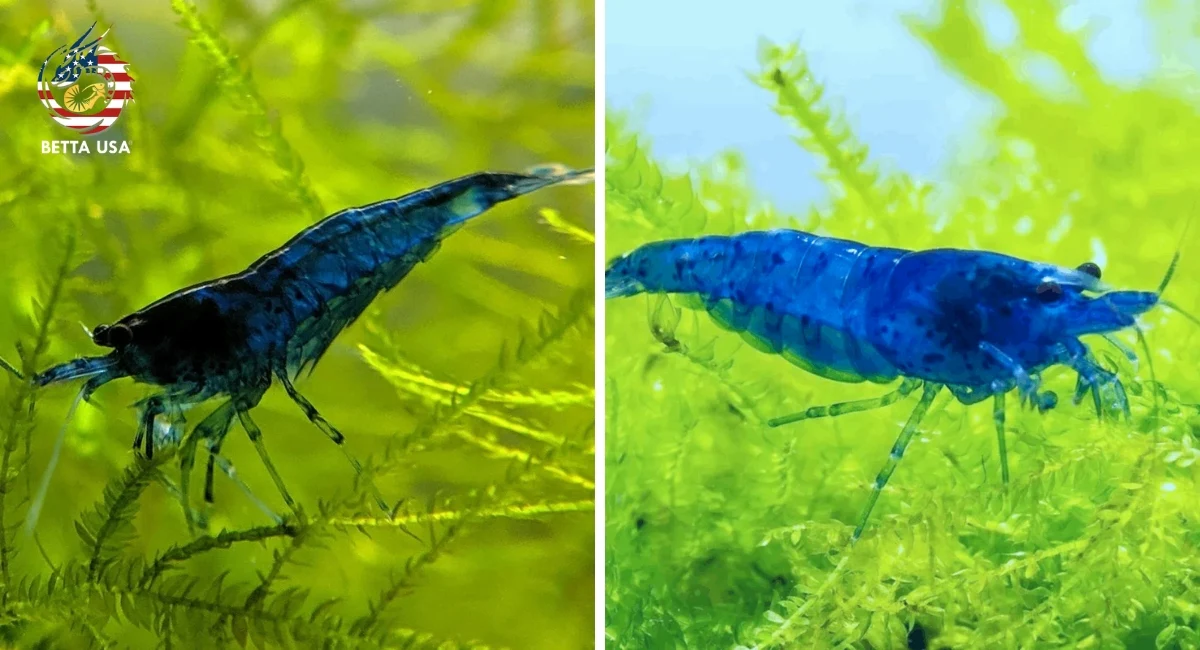
Blue Diamond Shrimp:
Pros: Intense color, hardy, stable genetics.
Cons: Pricier ($8-15 each), less iridescence.
Price: $10-20 per shrimp.
Blue Dream Shrimp:
Pros: Mesmerizing glow, faster growth.
Cons: Color variability, slightly pickier.
Price: $7-12 per shrimp.
Which to Choose? Final Verdict
In the Blue Diamond vs Blue Dream shrimp showdown, pick Blue Diamonds for bold, reliable beauty in mixed tanks. Opt for Blue Dreams if you crave ethereal aesthetics in a dedicated setup. Both elevate any scape—start with 10-15 to build a thriving colony.
Ultimately, house them separately to preserve lines. With proper care, expect years of enjoyment. Ready to add some blue magic to your tank?