Fish Parasite Treatment: Complete Guide to Identifying and Curing Aquarium Parasites
Aquarium enthusiasts often face the heartbreaking sight of fish flashing against rocks or gasping at the surface. These are classic signs of parasites wreaking havoc. Effective fish parasite treatment starts with quick identification and targeted action to save your tank.
In this comprehensive guide, we'll cover common parasites, their symptoms, proven treatments, and prevention strategies to keep your fish thriving. Whether you're dealing with freshwater or saltwater setups, understanding fish parasite treatment can prevent total tank crashes. Let's dive right in.
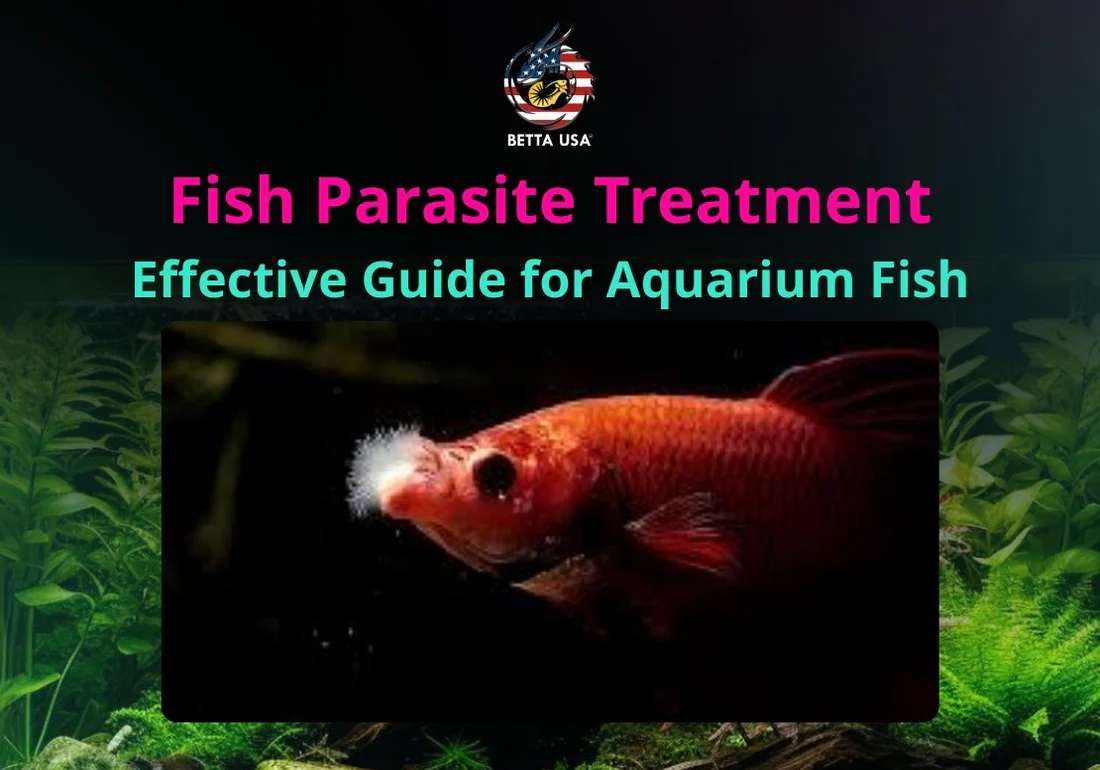
Common Types of Fish Parasites and Their Symptoms
Fish parasites fall into external and internal categories. External ones are visible and easier to spot, while internal parasites often require closer inspection.
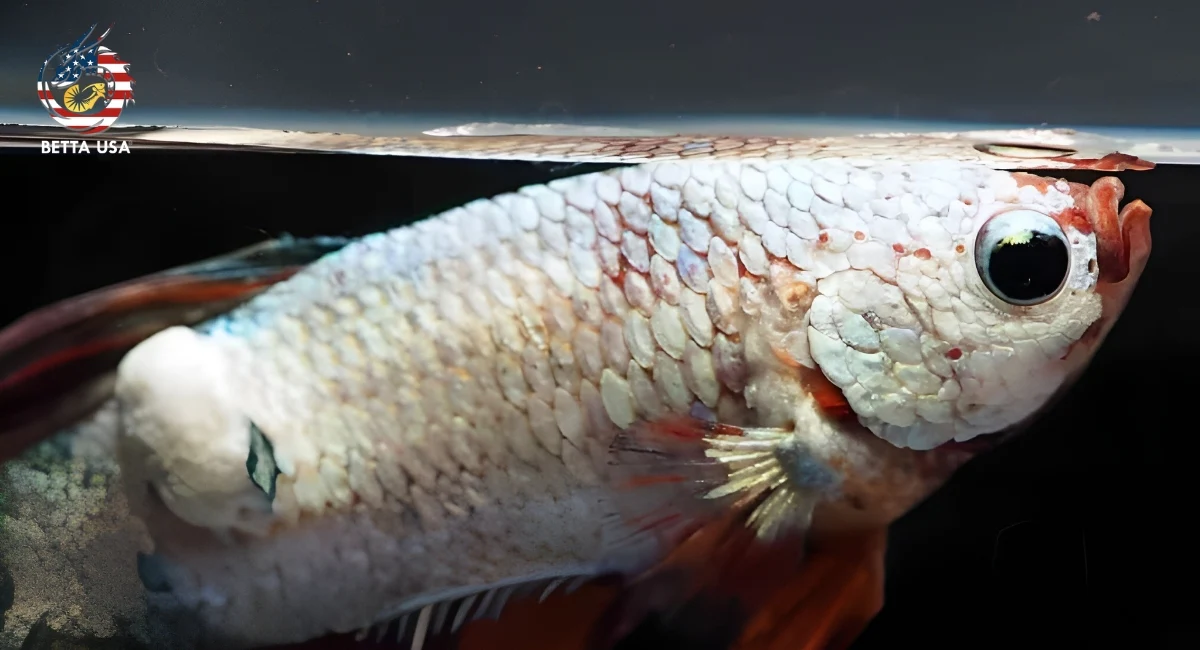
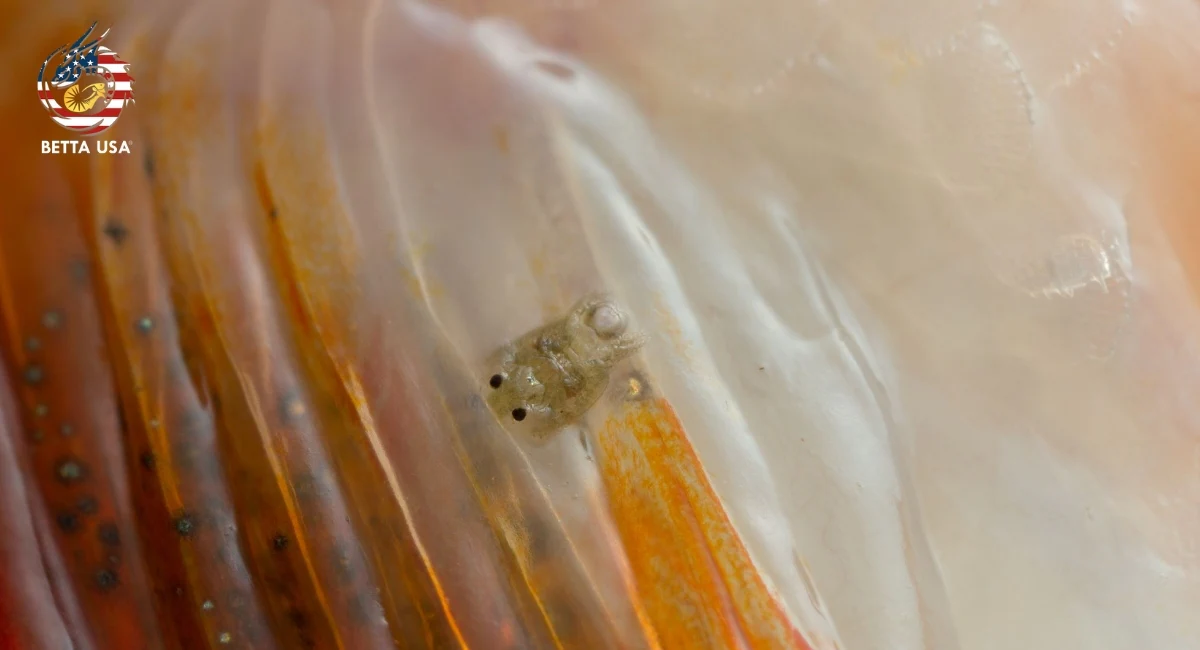
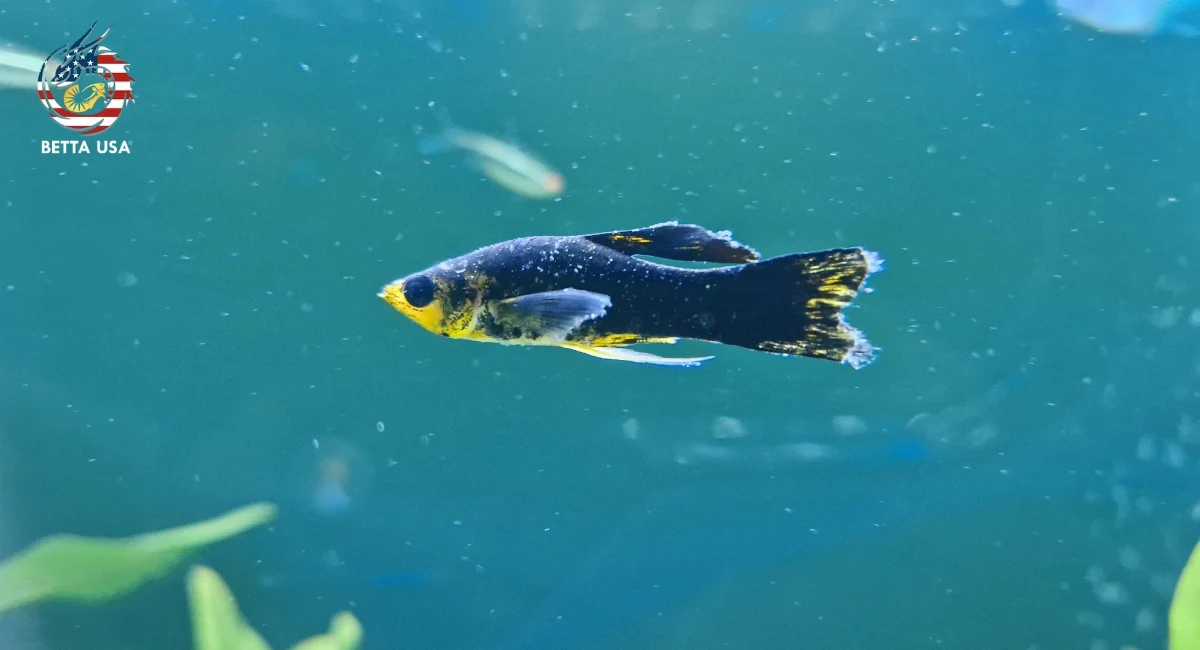
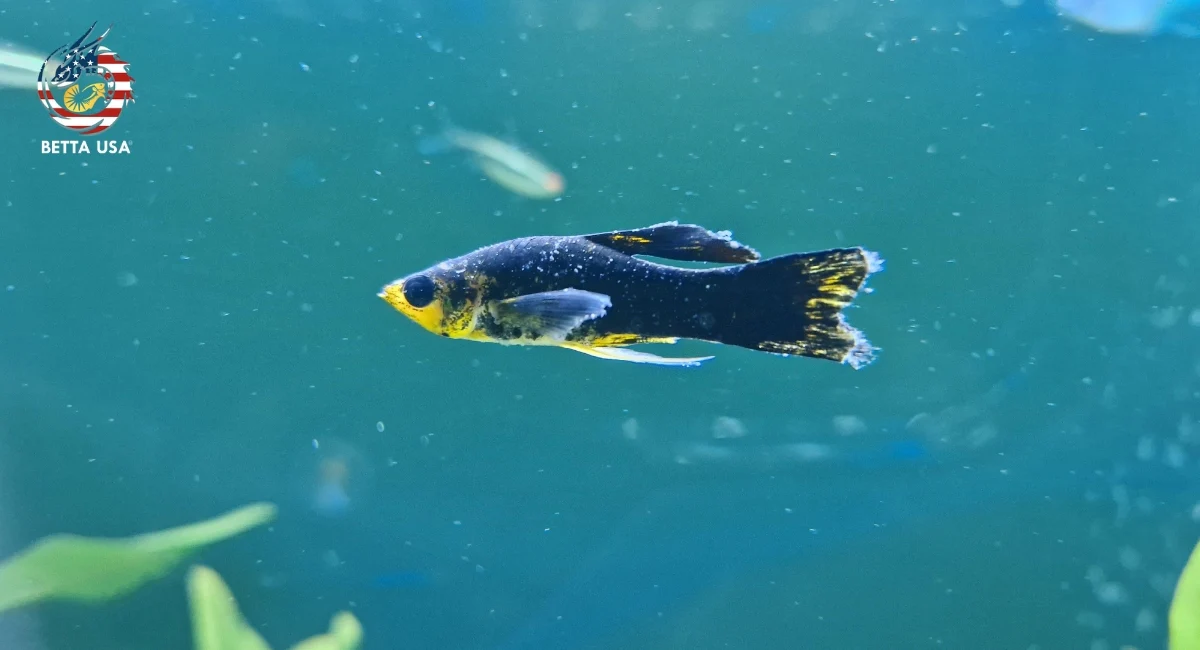
External parasites cling to the fish's skin, gills, or fins. Ich (White Spot Disease), caused by Ichthyophthirius multifiliis, appears as tiny white cysts. Fish scratch against objects and show rapid breathing. Velvet creates golden-brown dust on the skin from Piscinoodinium species, leaving fish lethargic with clamped fins. Flukes, flatworms like Dactylogyrus on gills, cause excess mucus, gill damage, piping (gasping), and flashing.
Internal parasites live in the gut or organs. Nematodes (roundworms) appear as thin worms in feces, causing weight loss despite good appetite. Tapeworms lead to bloating and stringy poop with segmented worms.
Key symptoms across all parasites include erratic swimming, weight loss, stringy feces, lethargy, and secondary bacterial infections. Early detection boosts fish parasite treatment success rates to over 90%.
Step-by-Step Fish Parasite Treatment Guide
Treating parasites requires isolating the issue and choosing the right method. Always quarantine affected fish first in a bare 10-gallon tank.
Step 1: Confirm the diagnosis. Use a magnifying glass or microscope for skin scrapes. Test water parameters—poor quality worsens infestations.
Step 2: Choose your treatment method. Match treatments to parasite type:
-
Salt baths for external parasites: Add 1-3% aquarium salt (non-iodized) to quarantine water. For ich, raise temperature to 86°F (30°C) gradually over 24 hours. This disrupts parasite life cycles over 7-14 days.
-
Medication options: Malachite Green + Formalin works best for ich and velvet—use 1 tsp per 10 gallons with good aeration, avoiding carbon filters. Copper-based treatments like Cupramine target saltwater flukes and velvet at 0.5 ppm, but test daily since invertebrates die. Praziquantel treats flukes and tapeworms at 2.5 mg/L and is safe for most fish—repeat after 5 days. Metronidazole handles internal flagellates at 250 mg per 10 gallons, mixed in food for gut parasites.
-
Natural remedies: Indian almond leaves, UV sterilizers, or garlic extract weaken parasites and boost fish immunity.
Step 3: Treat the main tank. After quarantine success, medicate the display tank with 25% water changes daily. Vacuum gravel to remove fallen parasites.
Step 4: Monitor and follow up. Watch for relapse 2-4 weeks post-treatment. Boost immunity with high-quality food like spirulina flakes.
Best Medications for Fish Parasite Treatment
Commercial products streamline fish parasite treatment:
API Super Ick Cure targets ich and velvet effectively.
Seachem ParaGuard offers broad-spectrum coverage for external and internal parasites.
Hikari Ich-X provides a malachite-free option for sensitive species like scaleless fish.
Always dose based on tank volume, including decorations. Remove carbon from filters during treatment—it absorbs meds. Follow product instructions precisely to avoid overdosing, which can kill fish.
Prevention: Stop Fish Parasites Before They Start
Prevention beats fish parasite treatment every time. Implement these proven habits:
Quarantine new fish for 4 weeks with prophylactic meds.
Install a UV sterilizer to kill free-swimming parasites at a flow rate of 3x tank volume per hour.
Maintain optimal water quality with ammonia/nitrite at 0 ppm, nitrates under 20 ppm, stable pH, and temperature to reduce stress.
Avoid overcrowding by following the 1-inch-fish-per-gallon rule loosely.
Practice plant and substrate hygiene by rinsing new plants and boiling gravel.
Regular maintenance cuts parasite risks by 80%, saving you from emergency fish parasite treatment.
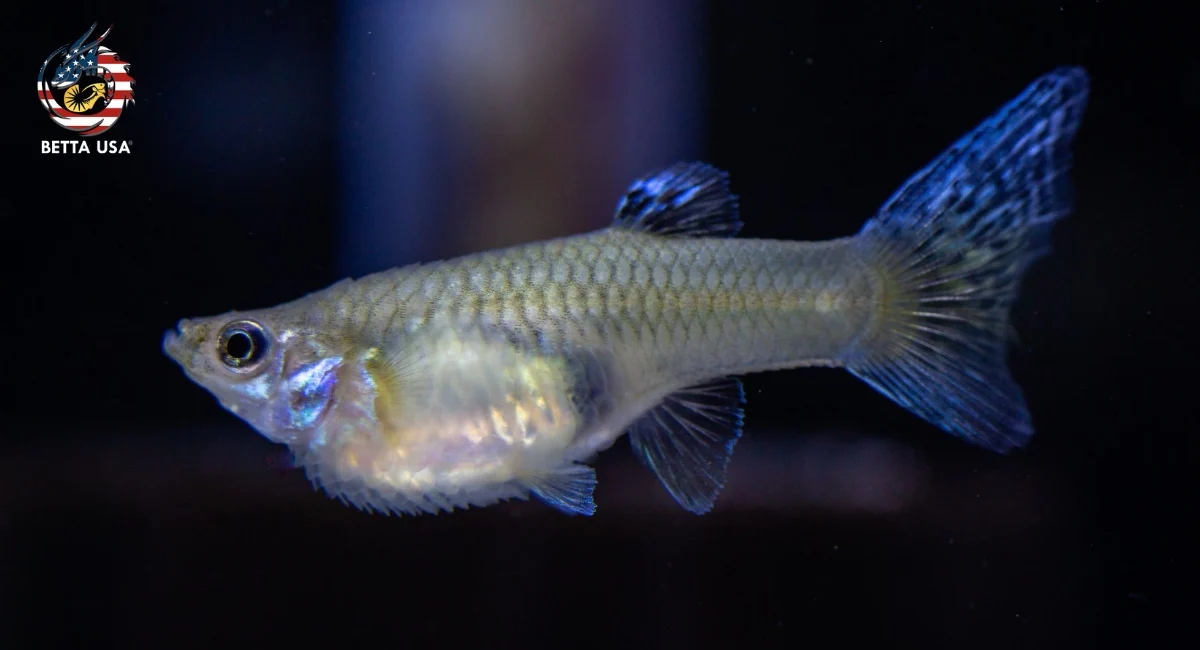
Fish Parasite Treatment for Specific Setups
Freshwater tanks respond well to salt and heat for ich. Avoid copper—it's toxic to plants.
Saltwater tanks and reef aquariums rely on copper as the go-to treatment, paired with a test kit. Hyposalinity (reduce salinity to 1.009 SG for 3 weeks) safely treats velvet around corals.
Planted tanks benefit from formalin-free meds like Ich-X to preserve beneficial bacteria. Use a turkey baster for manual removal of visible parasites.
=> See more: https://www.speedrun.com/forums/talk/6ips5
Frequently Asked Questions About Fish Parasite Treatment
What is the fastest fish parasite treatment?
Salt baths or Ich-X show results in 24-48 hours for external parasites. Internal ones take 7+ days.
Can fish recover from parasites without treatment?
Mild cases sometimes resolve, but severe infestations kill 70-100% without fish parasite treatment.
Is fish parasite treatment safe for shrimp and snails?
No—copper and malachite green kill invertebrates. Opt for praziquantel or mechanical methods instead.
How do I know if my fish has parasites?
Watch for flashing, white spots, sliminess, or fecal strings signaling internals.
Can aquarium fish parasites spread to humans?
No, these parasites don't infect people.
Final Thoughts on Effective Fish Parasite Treatment
Mastering fish parasite treatment transforms you from reactive hobbyist to proactive aquarist. Act fast on symptoms, quarantine religiously, and prioritize prevention. Your fish will reward you with vibrant colors and active swimming.